La Roche-Posay’s UVAIR Strategy: How Texture-First Marketing Wins the $17B SPF War

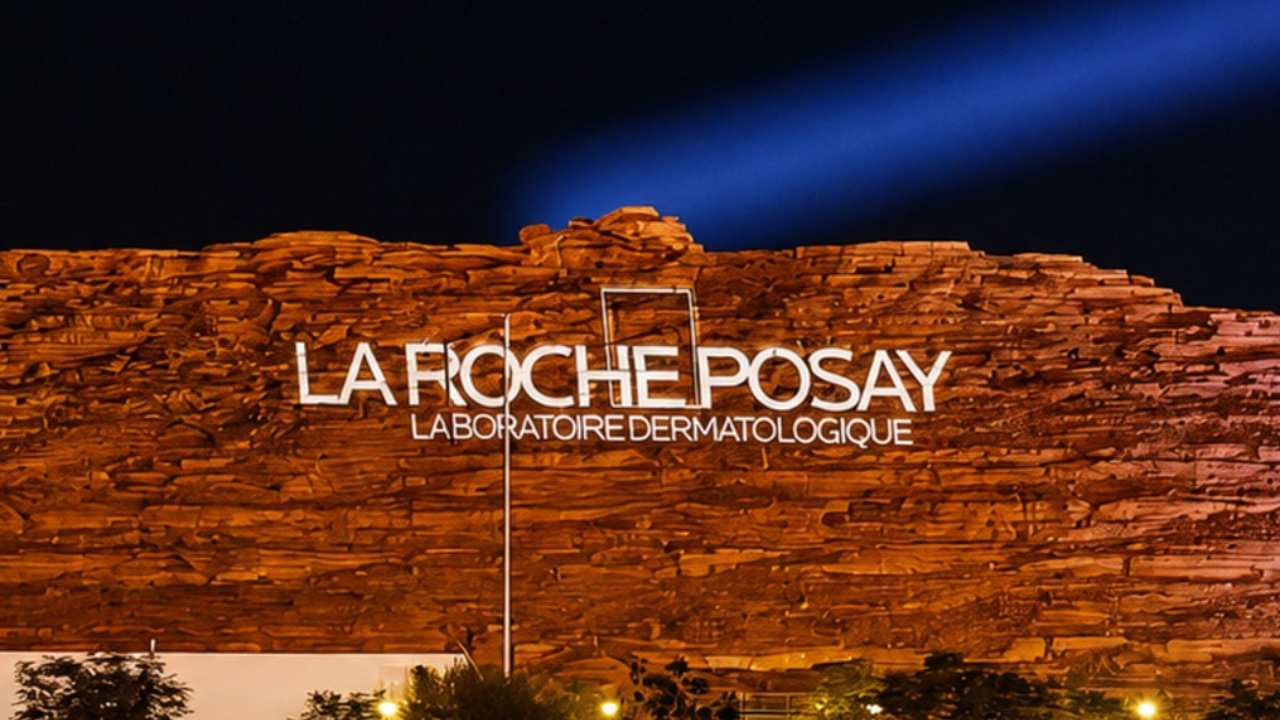
The global sun care market is projected to reach $17.1 billion by 2028, compounding at a CAGR of 5.3%, and the fastest-moving pressure point inside that expansion is not SPF factor or broad-spectrum coverage. It is texture. La Roche-Posay, the dermatologist-recommended flagship inside L'Oréal's Active Cosmetics Division, has identified that pressure point with unusual precision, building its UVAIR campaign around a single, repeatable consumer insight: that SPF non-compliance is a texture problem first and a knowledge problem second. The strategic implication for brand managers and retail buyers is significant. Whoever solves the sensory barrier to daily reapplication controls the repeat-purchase engine at the center of the sun care category.
The Texture Thesis Is a Positioning Play, Not a Product Story
Sun care has historically been marketed against risk, UV index charts, and SPF numerics. La Roche-Posay's UVAIR framework inverts that architecture. The campaign leads with the physical experience of application, specifically the invisible, weightless finish that has historically been the category's most cited consumer complaint. This is not a minor creative pivot. It is a prestige positioning decision with direct implications for shelf placement, retail tier negotiation, and the brand's ability to hold price in a category where masstige entrants are compressing margins at the mid-market.
By making texture the hero, La Roche-Posay moves the conversation away from efficacy parity, where drugstore and masstige competitors increasingly hold credible ground, and toward a sensory premium that is harder to commoditize. The strategic logic tracks closely with how fragrance brands have used olfactory language to justify price separation for decades.
Distribution Architecture Follows the Sensory Claim
Texture-first marketing only compounds in value when it is matched to the correct distribution architecture. La Roche-Posay occupies a distinct channel position: pharmacy-anchored in MENA and Western Europe, with accelerating penetration into prestige retail formats across APAC. That hybrid positioning creates a durable advantage in sun care specifically, because the pharmacy credential reinforces the dermatologist endorsement while the prestige adjacency allows the brand to participate in gifting, travel retail, and the discovery-driven purchase behavior that drives category trial.
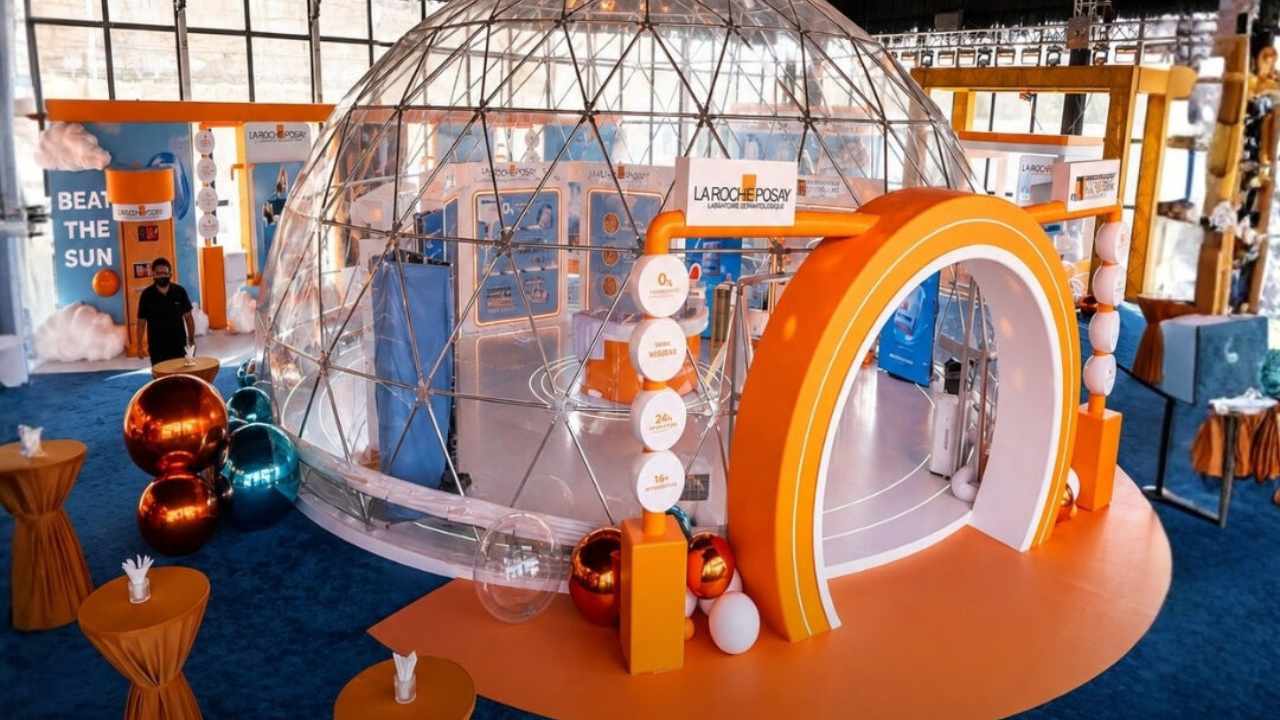
The UVAIR campaign, with its elevated visual language and digital-first rollout, is clearly calibrated to support upward channel migration. Brands that invest in sensory-led creative before entering prestige retail reduce friction at the buyer level by arriving with a consumer narrative already established. La Roche-Posay is executing that sequencing with discipline.
Premiumization Pressure and the SPF Portfolio Reset
Inside L'Oréal's Active Cosmetics Division, La Roche-Posay functions as the premiumization anchor. Its pricing sits above Vichy and CeraVe in most markets, and that gap needs continuous justification as both of those brands invest in their own dermocosmetic credibility. Texture innovation, validated through the UVAIR platform, becomes a recurring mechanism for portfolio reset without requiring a full product reformulation cycle.
This matters to investors and brand strategists watching the broader category because it illustrates how premiumization in sun care is increasingly driven by application technology and marketing architecture rather than by incremental SPF gains. Regulatory ceilings on SPF labeling in the EU and evolving FDA guidance in the US have effectively limited the race-to-the-top dynamic on factor numbers. The next differentiation layer is tactile, and La Roche-Posay has moved to claim it with category-level visibility before most competitors framed the question.
What Brand Managers and Retail Buyers Should Extract
The UVAIR strategy carries a replicable blueprint that extends well beyond L'Oréal's portfolio. Any sun care brand operating between the $20 and $60 retail price point needs to audit whether its marketing architecture is leading with the sensory reality of the product or defaulting to efficacy claims that consumers cannot meaningfully evaluate at point of purchase.
Three dynamics are worth tracking through the remainder of 2025. First, whether UVAIR's campaign architecture accelerates La Roche-Posay's velocity in prestige retail formats, particularly in APAC, where sun care premiumization is outpacing the global CAGR. Second, whether competing brands inside and outside L'Oréal respond with texture-forward repositioning of their own sun care lines, which would validate the thesis and compress the first-mover window. Third, whether the sensory positioning creates measurable lift in repeat purchase rates, the metric that ultimately determines whether texture-first marketing translates into category economics or remains a creative differentiator.
In a $17.1 billion market where the compliance gap between consumer intention and daily SPF application remains the single largest volume opportunity, the brand that owns the sensory solution owns the conversion. La Roche-Posay is currently writing that argument in real time.
This article references and builds on original reporting by Instagram. Read the original piece here: https://www.instagram.com/p/Db_iJbADlkq/?img_index=1. BeautyScale is a commercial agency; our editorial notes are commentary on industry reporting.
Rami Al Ariss
Beauty market analyst covering trends, brands, and distribution shifts.