K-Beauty's $11.4B Export Surge: How Seoul Is Reshaping Global Distribution Power

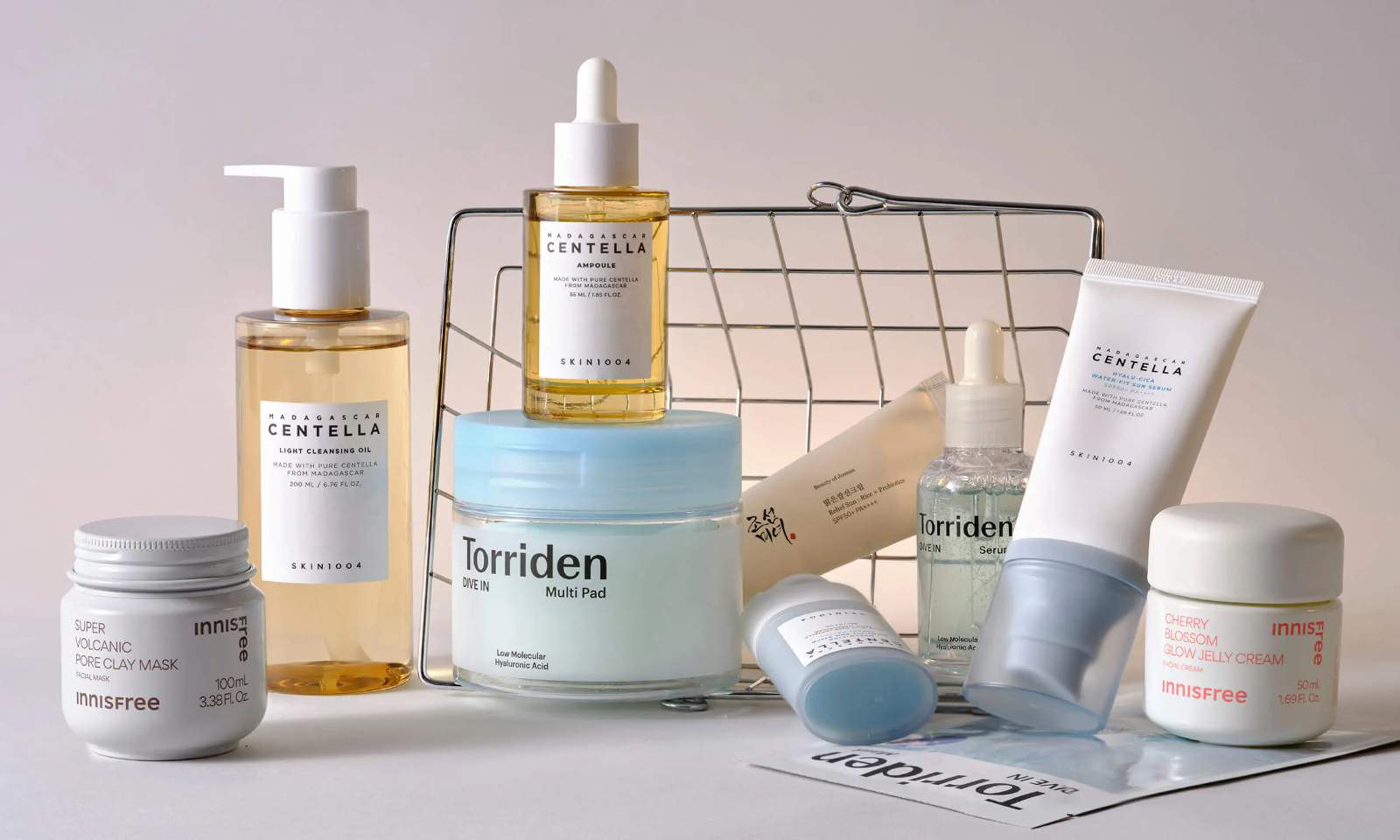
South Korea's cosmetics exports reached a record $11.4 billion in 2025, a 12.3% year-over-year increase that now positions the sector as the single largest export category among Korean SMEs. That figure alone would be sufficient to command investor attention. The National Assembly's passage of the Act on the Fostering and Support of the Cosmetics Industry, the country's first dedicated legislative framework for the beauty sector, transforms what was an organically driven export surge into a state-backed industrial program with formal funding architecture, certification infrastructure, and a five-year planning mandate. For brand managers, investors, and retail partners operating across APAC, MENA, and Western markets, this is not a regulatory footnote. It is a structural signal that the K-beauty competitive set is about to expand, accelerate, and consolidate with government capital behind it.
A Certification Tier That Will Reshape Prestige Positioning
The legislation introduces an "innovative cosmetics company" certification, administered by the Ministry of Health and Welfare, that grants qualifying brands preferential access to research grants, state-backed investment, and infrastructure programs. In practice, this creates a two-tier competitive landscape within Korea's domestic supply chain. Certified companies will be able to compress R&D timelines, subsidize ingredient innovation, and access export facilitation at a cost structure that uncertified competitors, and certainly foreign incumbents, cannot match. For multinational groups currently relying on Korean contract manufacturing or white-label supply, the implications for negotiating leverage and cost parity are immediate. The certification framework is effectively a premiumization accelerator, one funded by the Korean state rather than brand marketing budgets.
Distribution Architecture and the M&A Calculus
The Comprehensive Plan for Fostering and Supporting the Cosmetics Industry, refreshed every five years through a public-private committee structure, signals that Korea intends to coordinate export distribution architecture at a policy level rather than leaving it to individual brand strategies. This is a meaningful shift. Historically, K-beauty's international distribution success was driven by fast-follower indie brands navigating Amazon, Ulta Beauty, and specialty retail with lean digital acquisition models. Codified government support now introduces the conditions for larger-scale strategic consolidation, where certified manufacturers and ingredient suppliers become attractive acquisition targets for domestic conglomerates and international strategic buyers alike.
Amorepacific Corporation and LG H&H have both executed portfolio resets in recent years, divesting underperforming masstige assets to concentrate investment in prestige positioning across APAC and the GCC. A legislated support infrastructure makes the next wave of M&A more legible: acquirers can now underwrite certified-status companies with greater confidence in forward revenue assumptions, given the visibility of state support timelines. Global strategics including L'Oreal S.A. and Shiseido Co., Ltd. should be expected to monitor the certification registry closely once subordinate legislation is finalized.
Finance Minister Koo's AI Signal Is the Bigger Story
Finance Minister Koo Yun-cheol's statement, delivered during a June meeting with major beauty firm representatives, is the most strategically significant line in this entire legislative arc. His framing of K-beauty as "a future strategic industry combining AI, data, and devices" positions the sector alongside semiconductor and defense manufacturing in Korea's national industrial hierarchy. That framing has direct implications for where R&D subsidy flows will land. Brands and ingredient platforms integrating AI-driven formulation, personalized skin diagnostics, or device-coupled skincare regimens are the most logical beneficiaries of priority funding. Companies building distribution architecture around connected beauty, whether in retail, DTC, or clinical channels, gain a structural cost advantage that compounds over the plan's five-year cycles.
What Comes Next for Global Market Participants
The legislation takes effect one year after formal State Council publication, with subordinate rules still under consultation. That window is operationally relevant. International brands and retailers with Korean supply exposure have approximately 12 to 18 months to assess which of their manufacturer and ingredient partners are positioned for certification, and to renegotiate supply agreements accordingly. Retailers in the GCC and MENA markets, where K-beauty premiumization has driven meaningful shelf expansion since 2022, should anticipate a new cohort of certified Korean brands entering with stronger margin positions and more aggressive distribution ambitions than the previous generation.
Minister of Health and Welfare Jeong Eun-kyung's stated objective, positioning K-beauty as the world's number one beauty industry, is no longer a aspirational press statement. It is now backed by a legal mandate, a budgetary committee, and a certification system designed to identify and accelerate the brands most likely to execute it. The global beauty competitive map is being redrawn from Seoul outward.
This article references and builds on original reporting by CNS MEDIA for personalcareinsights.com. Read the original piece here: https://www.personalcareinsights.com/news/south-korea-k-beauty-industry-law.html. BeautyScale is a commercial agency; our editorial notes are commentary on industry reporting.
Rami Al Ariss
Beauty market analyst covering trends, brands, and distribution shifts.