Beyond the Bottle: Why Beauty M&A Is Now a $47B Cross-Category Arbitrage Play

Global beauty M&A volume cleared $47 billion in transaction value across 2023 and 2024 combined, according to aggregated deal data from PitchBook and industry filings, and the most consequential deals in that pool have almost nothing to do with lipstick or serum. Investors and acquirers are repositioning beauty not as a discrete consumer category but as a distribution architecture and consumer loyalty infrastructure with utility across wellness, pharmaceuticals, and lifestyle. The strategic calculus has shifted: a beauty brand's channel footprint, subscription cohort, and retail shelf position are now valued as scalable commercial assets that transfer across adjacent verticals. That reframing carries significant implications for brand managers, founders considering exits, and retail buyers evaluating portfolio composition.
The Investment Thesis Has Outgrown the Category
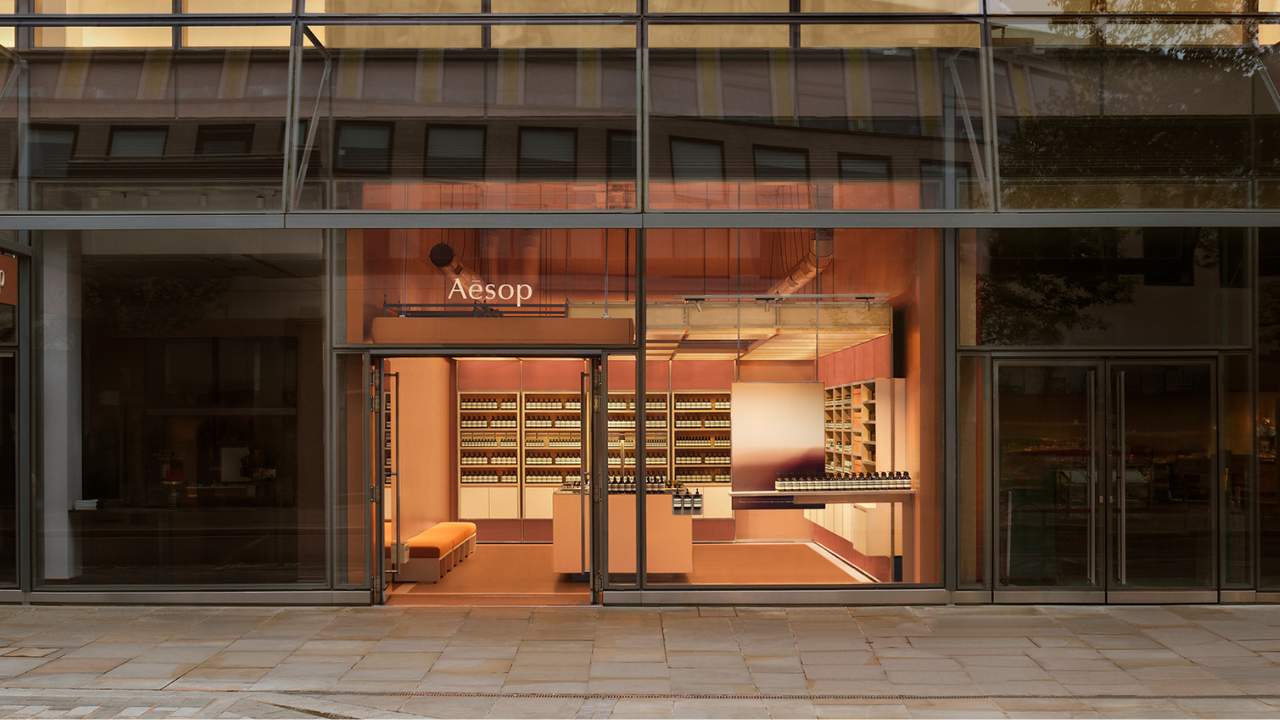
Historically, beauty M&A rewarded prestige positioning and hero SKU performance. L'Oreal's $2.5 billion acquisition of Aesop in 2023 confirmed that acquirers would pay north of 8x revenue for brand equity with geographic optionality. But the current deal environment reflects something structurally different. Private equity and strategic acquirers are evaluating beauty targets through a lens that includes defensible DTC infrastructure, owned-audience scale, and retail distribution density across Sephora, Ulta, and emerging GCC doors. Unilever's ongoing portfolio reset, which divested more than 20 brands between 2020 and 2024, illustrates that majors are rationalizing toward fewer, higher-margin positions rather than breadth. The implication is that mid-tier brands without clear distribution architecture or category adjacency are increasingly difficult to transact.
Private equity and strategic acquirers are evaluating beauty targets through a lens that includes defensible DTC infrastructure, owned-audience scale, and retail distribution density across Sephora, Ulta, and emerging GCC doors.
Distribution Density as the New Valuation Driver
Retail placement has always influenced brand multiples, but it now functions as primary collateral in acquisition negotiations. A brand with confirmed Ulta nationwide placement, a mid-five-figure Sephora door count, and a DTC repeat purchase rate above 35 percent carries meaningfully different risk-adjusted value than a brand with equivalent revenue running through Amazon. Investors are modeling distribution channel mix alongside gross margin, recognizing that channel concentration in third-party marketplaces compresses exit optionality. The masstige segment is particularly exposed here. Brands that achieved scale on Amazon or TikTok Shop during 2021 to 2023 but never converted that volume into structured retail relationships are finding that acquirers discount their revenue accordingly. Premiumization without distribution validation is, increasingly, a red flag.
Wellness and Pharma Are Pulling Beauty Capital Upstream
The expansion of the investment remit is most visible at the intersection of beauty and clinical wellness. Ingestible brands, dermatologist-founded skincare lines, and hybrid supplement-topical platforms are attracting capital that previously would have been directed at conventional prestige beauty. Retail chains including Target, CVS, and Boots have created dedicated adjacency sections that physically blur the category line, and that shelf architecture is influencing where capital flows. Investors in GCC and APAC markets are particularly aggressive in backing these crossover platforms, recognizing that regulatory environments in those regions allow faster clinical claim integration than the FDA-constrained U.S. market. The result is a two-speed investment landscape: conventional beauty competes for a relatively stable pool of strategic acquirer capital, while cross-category wellness beauty attracts a broader and more liquid investor base.
Investors in GCC and APAC markets are particularly aggressive in backing these crossover platforms, recognizing that regulatory environments in those regions allow faster clinical claim integration than the FDA-constrained U.
What Founders and Brand Managers Must Reposition Now
The strategic consolidation underway demands a specific response from operators. Brands that frame themselves exclusively within beauty vertical language are limiting their acquirer universe at the precise moment when the potential buyer set has expanded. Three repositioning vectors are emerging as material to transaction readiness. First, distribution architecture documentation: acquirers want granular channel data, not revenue rollups, and the brands that present door-level sell-through alongside DTC cohort retention are shortlisting faster. Second, clinical or functional claim substantiation: a third-party efficacy study or dermatologist partnership materially widens the acquirer pool into pharma and wellness holding companies. Third, geographic optionality: brands with nascent but documented MENA or APAC traction are trading at premiums because acquirers are pricing in expansion economics rather than current revenue.
The forward trajectory is one where beauty brand valuation increasingly reflects infrastructure quality over product aesthetics. As L'Oreal, Estee Lauder Companies, and a growing cohort of GCC-backed strategic vehicles continue to rationalize their portfolios toward higher-margin, cross-category positions, the brands that will command premium acquisition multiples in 2026 and beyond are those that have built distribution density, clinical credibility, and geographic flexibility into their operating model before the deal conversation begins. The investment remit has expanded. The brands that recognize this now hold the structural advantage.
This article references and builds on original reporting by Nancy Trent for Beauty Independent. Read the original piece here: https://www.beautyindependent.com/today-beauty-investment-remit-much-bigger/. BeautyScale is a commercial agency; our editorial notes are commentary on industry reporting.
Nya Ravel
Beauty market analyst covering trends, brands, and distribution shifts.