Repricing Credibility: How Unsubstantiated Claims Are Compressing Skincare Exit Multiples

Ninety-four percent of U.S. luxury beauty consumers now say clinical studies and test results directly influence their purchase decisions, according to Mintel data presented at MakeUp in NewYork 2026. That figure is not a consumer sentiment curiosity. It is an acquisition-level risk variable, and strategic buyers are beginning to price it accordingly. For skincare founders and portfolio managers operating in the prestige and masstige tiers, the implications reach well beyond marketing compliance into valuation architecture.
Claims Infrastructure Has Become a Due Diligence Category
The era in which a founder could position a serum as "clinically inspired" without published substantiation, and carry that positioning into a premium exit, is contracting fast. Strategic acquirers evaluating prestige skincare assets are now conducting deeper audits of claims architecture as a standard component of M&A review. The central question is no longer whether a brand has efficacy language. The question is whether that language is defensible at the FTC level, substantiated by third-party clinical data, and structured to survive regulatory scrutiny in both domestic and APAC and MENA distribution environments.
Brands that cannot answer yes to all three points are increasingly entering negotiations from a structurally weaker position. Buyers applying discounted cash flow models to prestige skincare targets must now factor in regulatory remediation costs and potential brand repositioning expenses as line items, compressing headline multiples in the process.
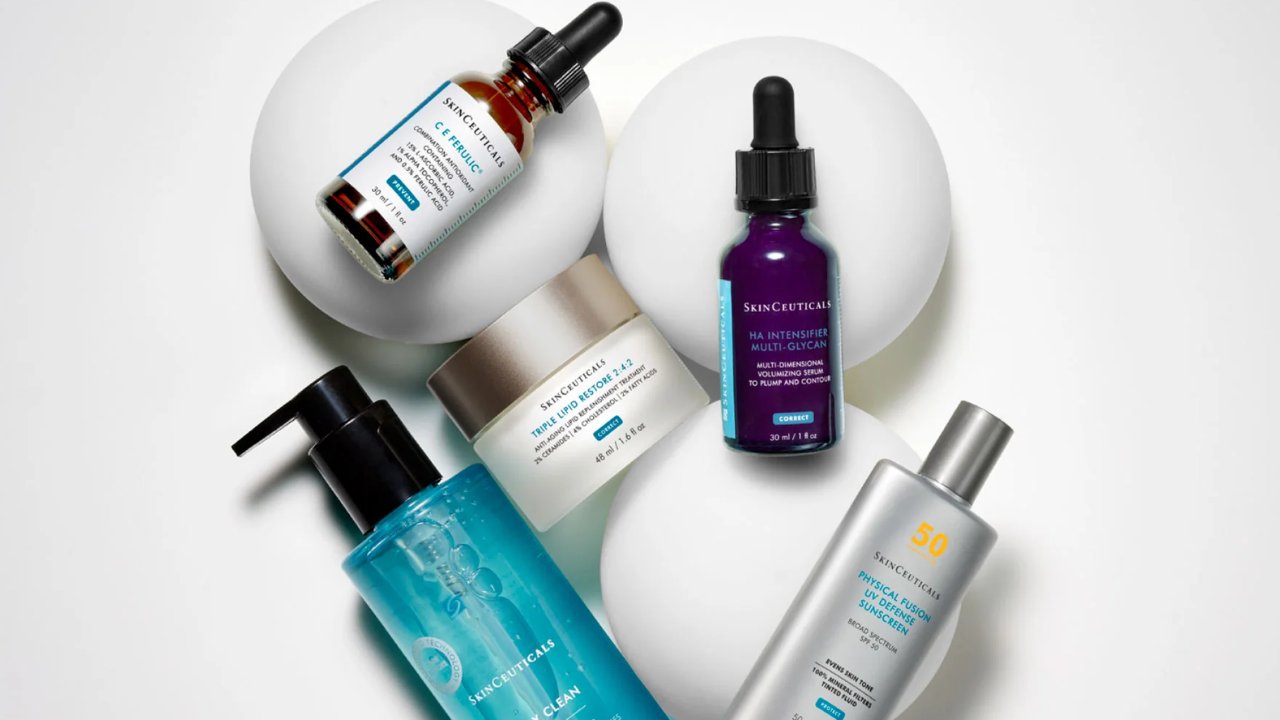
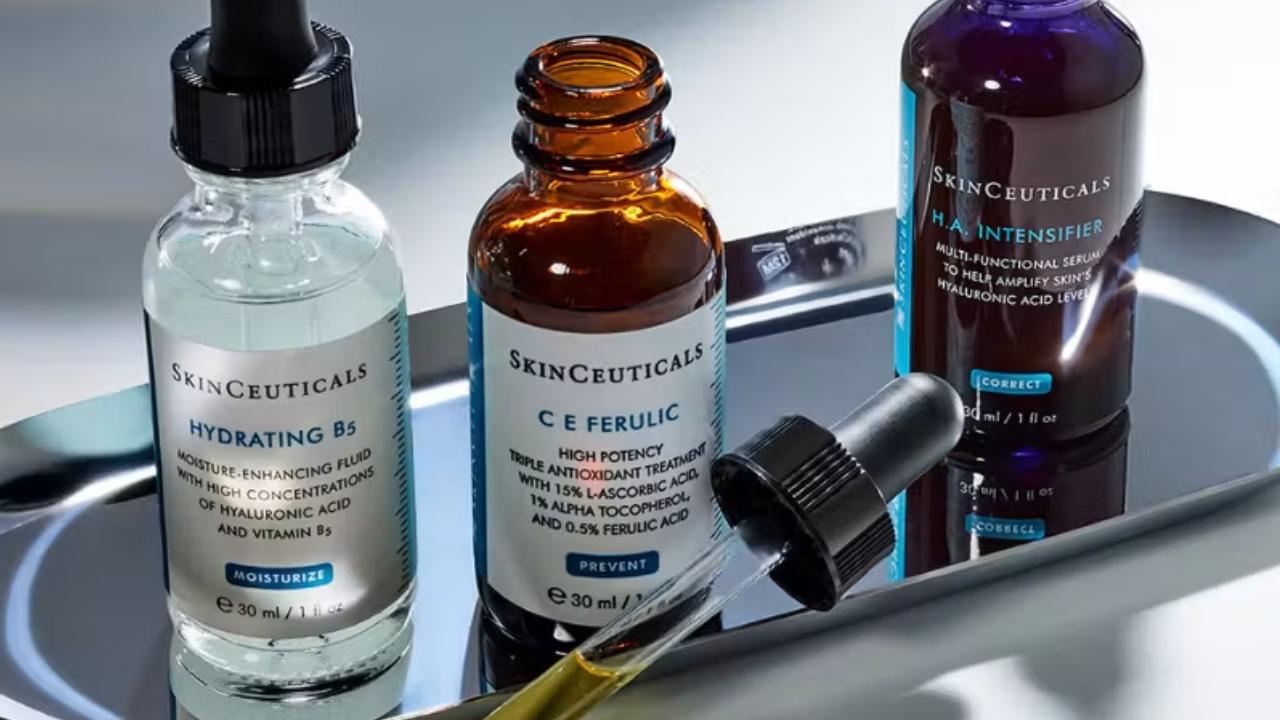
This structural shift explains the persistent valuation premium awarded to dermo-cosmetic platforms like SkinCeuticals. Built on patented antioxidant research and clinical trial architecture, SkinCeuticals created a defensible moat that allows parent company L'Oréal to command premium pricing through both professional clinics and prestige retail. Conversely, when Puig acquired a majority stake in, the transaction highlighted a strategic pivot toward medical-grade, doctor-backed heritage—demonstrating that strategic acquirers are willing to pay top tier multiples for assets whose founder narrative is intrinsically tied to clinical authority.
Premiumization Requires a Claims Foundation, Not Just a Price Point
The broader premiumization wave that reshaped global skincare through the early 2020s created a market expectation that has since calcified: prestige positioning must be earned through evidence, not asserted through packaging and price architecture alone. This dynamic is particularly acute in the masstige corridor, where brands have historically used aspirational language and elevated retail environments to bridge the credibility gap between drug-store and luxury.
That bridge is narrowing. Retail partners across specialty and department store channels are tightening co-op and shelf placement criteria for brands that cannot produce substantiation documentation on request. The shelf review process, once largely aesthetic and margin-driven, now increasingly incorporates a compliance layer that mirrors what buyers apply during M&A diligence.
For brand managers overseeing portfolio resets, this creates a compounding pressure point: a brand repositioning upward through the masstige tier into prestige cannot rely on distribution architecture alone to signal credibility. The claims foundation must move first.
The Founder Blind Spot That Buyers Are Exploiting
A consistent pattern emerging across skincare M&A in the current cycle is the gap between a founder's perceived brand equity and the valuation a strategic buyer is willing to assign. Founders who built differentiation narratives around ingredient storytelling rather than clinical outcomes are arriving at deal tables with expectations that no longer map to buyer risk models.
This is not a communication problem. It is a structural one. Brands that invested in consumer-facing hero ingredient campaigns without parallel investment in IRB-approved trials, dermatologist-validated claims, or published biomarker data have, in effect, built prestige positioning on a foundation that sophisticated buyers treat as contingent liability rather than enterprise value. The founder's narrative and the buyer's model are measuring different things, and the delta is appearing as multiple compression.
What Brand Operators and Investors Should Recalibrate Now
The actionable implication for brand operators, fund managers holding beauty assets, and founders considering a near-term liquidity event is direct: clinical substantiation is no longer a marketing deliverable. It is a valuation input.
Brands in the 18-to-36-month pre-exit window should be commissioning independent clinical trials with statistically significant sample sizes and publishing results in a format reviewable during diligence. Distribution strategy should be aligned to reinforce claims credibility, with channel mix weighted toward retail environments that independently validate efficacy standards through their own curation process.
Portfolio managers conducting annual brand reviews should treat claims infrastructure with the same analytical rigor applied to gross margin and DTC conversion. The brands that will command premium multiples in the next M&A cycle will be those that have built claims architecture into the operating model, not appended it as a pre-sale remediation effort.
The Mintel figure from MakeUp in NewYork 2026 is, at its core, a market signal with a balance sheet consequence. Ninety-four percent of luxury skincare consumers aligning purchase behavior to clinical evidence means the consumer has already moved. The question for every brand in the prestige and masstige tiers is whether their claims infrastructure has moved with them, or whether they are still pricing credibility they have not yet earned.
This article references and builds on original reporting by makeup-in-newyork.com. Read the original piece here: https://www.makeup-in-newyork.com/show-news/science-you-can-see-why-evidence-has-become-both-a-premium-and-a-liability. BeautyScale is a commercial agency; our editorial notes are commentary on industry reporting.
Nya Ravel
Beauty market analyst covering trends, brands, and distribution shifts.