Curology's Walmart Gambit: A $24.97 Kit Rewriting the Rules of Prescription Skincare Distribution

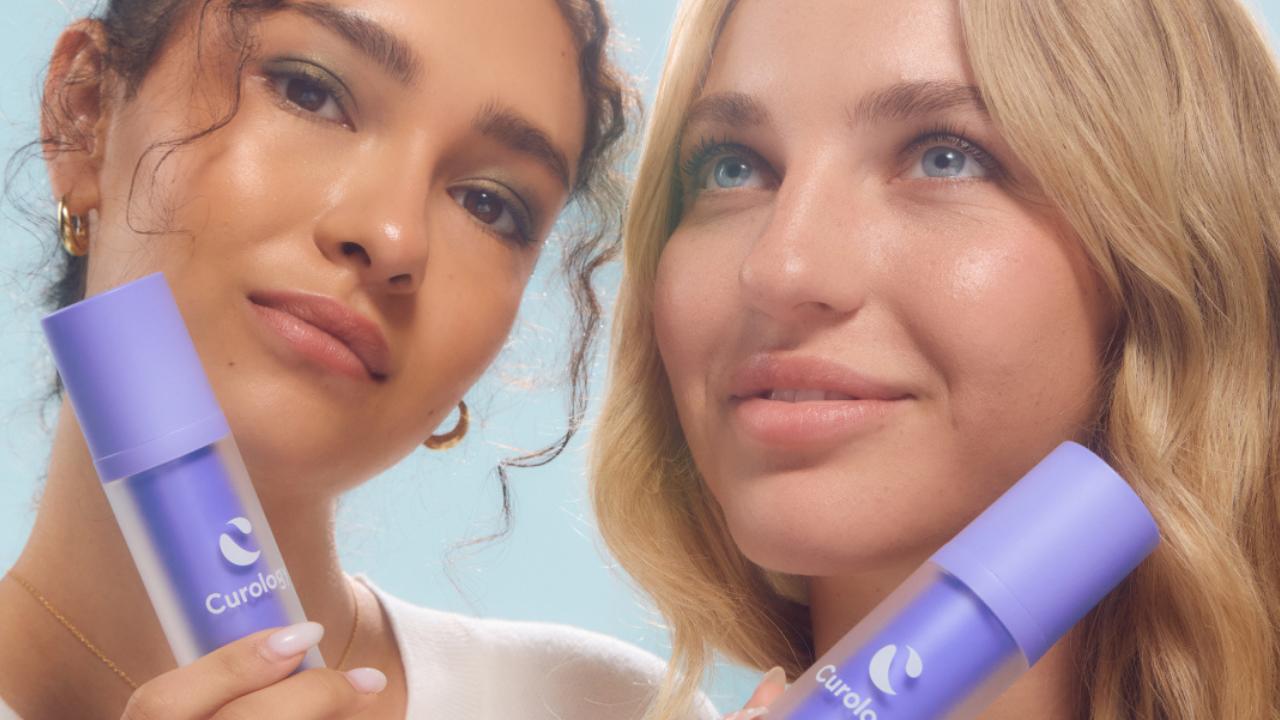
The U.S. telehealth skincare market is projected to exceed $4.7 billion by 2028, yet the dominant acquisition architecture remains stubbornly digital, expensive, and increasingly commoditized. Curology's Prescription Acne Kit, now live across 1,000 Walmart doors at a $24.97 entry price, is challenging that logic directly. Conversion data from the rollout shows Walmart shoppers entering the prescription funnel at five times the rate of Curology's existing online cohort, a performance gap significant enough to force a reassessment of how teledermatology brands think about physical retail. The implications extend well beyond one brand's channel experiment.
Retail as Acquisition Infrastructure, Not Just Distribution
The instinct to treat mass retail as a branding vehicle has long governed how DTC health and beauty brands approach Walmart, Target, and CVS. Curology's CFO Mike Penake reframes that entirely: retail, in this model, functions as a patient acquisition node embedded inside a 160,000-square-foot environment that serves over 230 million customers weekly.
The structural innovation here is the scratch-code onboarding mechanism, a bridge that converts a physical SKU into a digital medical encounter in under seven minutes. Curology rebuilt its onboarding platform specifically for this shopper, which signals a meaningful operational investment, not a passive shelf placement. That decision separates this from the typical masstige distribution play and positions it closer to what healthcare companies call point-of-care activation.
The 5x conversion premium over online channels is the data point brand strategists and investors should anchor on. Customer acquisition costs in DTC skincare have risen sharply since 2021, with some teledermatology competitors reporting digital CAC in the $80 to $120 range. A $24.97 kit sold at Walmart shelf price, with the retailer absorbing a share of marketing through end-cap placement, Fall Beauty Event integration, and live dermatologist events, restructures that economics significantly.
The Dermatologist Desert Strategy Is a Market Sizing Move
Curology's store selection criteria, prioritizing areas it identifies as dermatologist deserts, is analytically precise and commercially astute. The U.S. has approximately 12,000 practicing dermatologists concentrated in metro markets, leaving an estimated 40% of the population with limited or no timely access to specialist care. Curology is not entering those markets to compete with dermatologists. It is entering them because no one else is.
This geographic targeting also de-risks the cannibalization concern. Early data confirms minimal subscriber overlap between Walmart shoppers and Curology's existing DTC base, validating that the retailer is generating net-new patient relationships rather than redistributing existing ones. For investors evaluating Curology's unit economics, that distinction is material.
What This Signals for the Broader Prestige-to-Mass Convergence
The Curology model is arriving at a moment when Walmart's beauty and health portfolio is undergoing its own strategic evolution. Walmart U.S. reported that health and wellness customers spend approximately three times more than the average shopper, with even higher basket values among pharmacy delivery users. That consumer profile is precisely the recurring-revenue patient Curology is designed to serve.
Walmart's integration of Better Care Services and virtual dermatology access creates a complementary infrastructure layer that makes the Curology partnership structurally coherent, not opportunistic. As Walmart CEO David Guggina noted on the Q2 earnings call, stores now act as fulfillment nodes for 80% of e-commerce orders. Curology is essentially plugging a prescription skincare pipeline into that omnichannel architecture.
For brand strategists watching premiumization trends, the kit's price architecture is worth dissecting. At $24.97, the entry kit sits comfortably in masstige territory. The post-trial subscription at $59.90 for a 60-day supply repositions the same customer inside a prestige-adjacent spend cadence without requiring a prestige retail environment to justify it. That is a portfolio reset executed through distribution design rather than product reformulation or brand repositioning.
The 1,000-Store Test Has 5,000-Store Ambitions
Walmart operates approximately 4,600 U.S. stores. The current rollout covers roughly 22% of that footprint. Penake has confirmed that early conversations about future iterations are already underway, suggesting that if sell-through aligns with conversion performance, a national expansion is the logical next phase.
The competitive pressure this creates is real. Nurx, Musely, and emerging telehealth skincare entrants have built their growth models around digital acquisition exclusively. A mass-retail prescription funnel, proven at scale, would be a structural moat that digital spend alone cannot replicate. Watch for M&A interest in Curology to intensify if the full Walmart expansion confirms what the pilot data already suggests: that the most efficient path to the next ten million skincare patients runs through a physical store.
This article references and builds on original reporting by Zofia Zwieglinska for Glossy. Read the original piece here: https://www.glossy.co/beauty/wellness/curology-walmart-prescription-skincare-conversion. BeautyScale is a commercial agency; our editorial notes are commentary on industry reporting.
Rami Al Ariss
Beauty market analyst covering trends, brands, and distribution shifts.