Wonderskin's $200 Million Inflection Point: How a Viral Lip Stain Is Funding a Full Distribution Reset

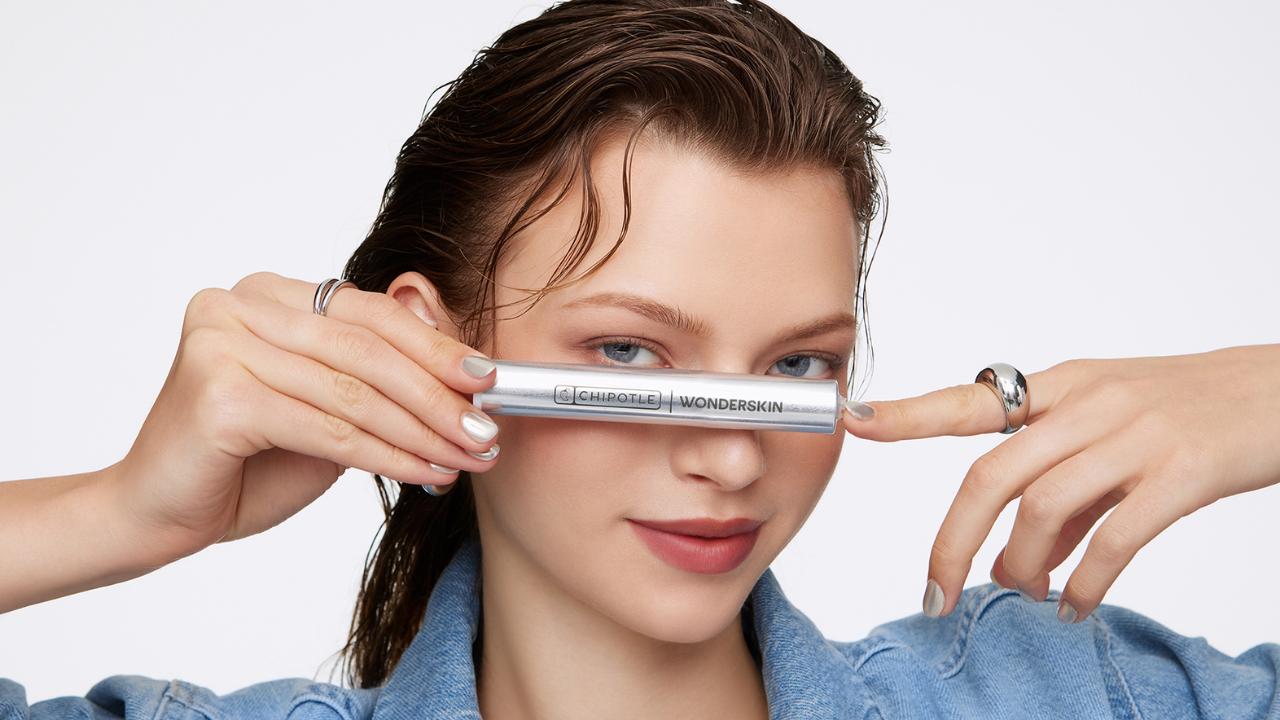
The global prestige lip color market is projected to exceed $4.8 billion by 2027, yet the brands capturing disproportionate share are not legacy houses. They are IP-native, DTC-first operators who built proprietary demand infrastructure before touching a single retail shelf. Wonderskin, the New Jersey-founded brand co-led by CEO Michael Malinsky and co-founder Marina Kalenchyts, has turned a patented peel-and-reveal lip stain into a category-defining revenue engine, with the company on track to surpass $200 million in revenue by 2026. The $50 million Series A closed in May 2025, led by Insight Partners, signals something more consequential than growth capital. It signals a deliberate pivot from viral origin story to institutionally scalable beauty business.
From DTC Monoculture to Omnichannel Architecture
Wonderskin's current channel split, 75% direct-to-consumer and 25% wholesale, is set to compress meaningfully within the next 12 to 18 months. The addition of 1,500 U.S. doors through Sephora alone represents one of the more aggressive single-year retail expansions among prestige-positioned indie brands in recent memory. For context, most challenger brands entering Sephora negotiate shelf presence incrementally, often beginning with fewer than 400 doors before earned performance triggers broader rollout.
What makes Wonderskin's distribution architecture structurally interesting is that its DTC base is not being dismantled to fund retail growth. It is being used as a real-time performance validation layer. First-party consumer data accumulated through direct channels informs assortment decisions, velocity forecasting, and wholesale negotiation leverage. That is a meaningful competitive advantage when presenting to a major retailer's buying team with category sales data most emerging brands simply do not have access to.
The Laboratory Acquisition as Defensive M&A
The brand's decision to acquire the New Jersey laboratory that originally developed its Liquid Blading technology is underappreciated in most coverage of the company. This is not an operational footnote. It is a textbook example of vertical integration deployed as competitive moat construction. As Kalenchyts notes, maintaining an internal epicenter for testing and development allows Wonderskin to control the pace and direction of innovation rather than ceding that leverage to a contract manufacturer.
The strategic relevance sharpens considerably given competitive encroachment. L'Oreal and a growing roster of challenger brands have launched long-wear lip formulas attempting to capture the peel-off stain consumer. Owning the underlying IP, the production capability, and the formulation team simultaneously raises the barrier to meaningful replication. In M&A terms, this also increases Wonderskin's enterprise valuation multiple, because acquirers in the beauty sector, whether strategic players like Estee Lauder Companies or private equity aggregators, pay premiums for proprietary technology that is not licensable.
Portfolio Reset and the Premiumization Mandate
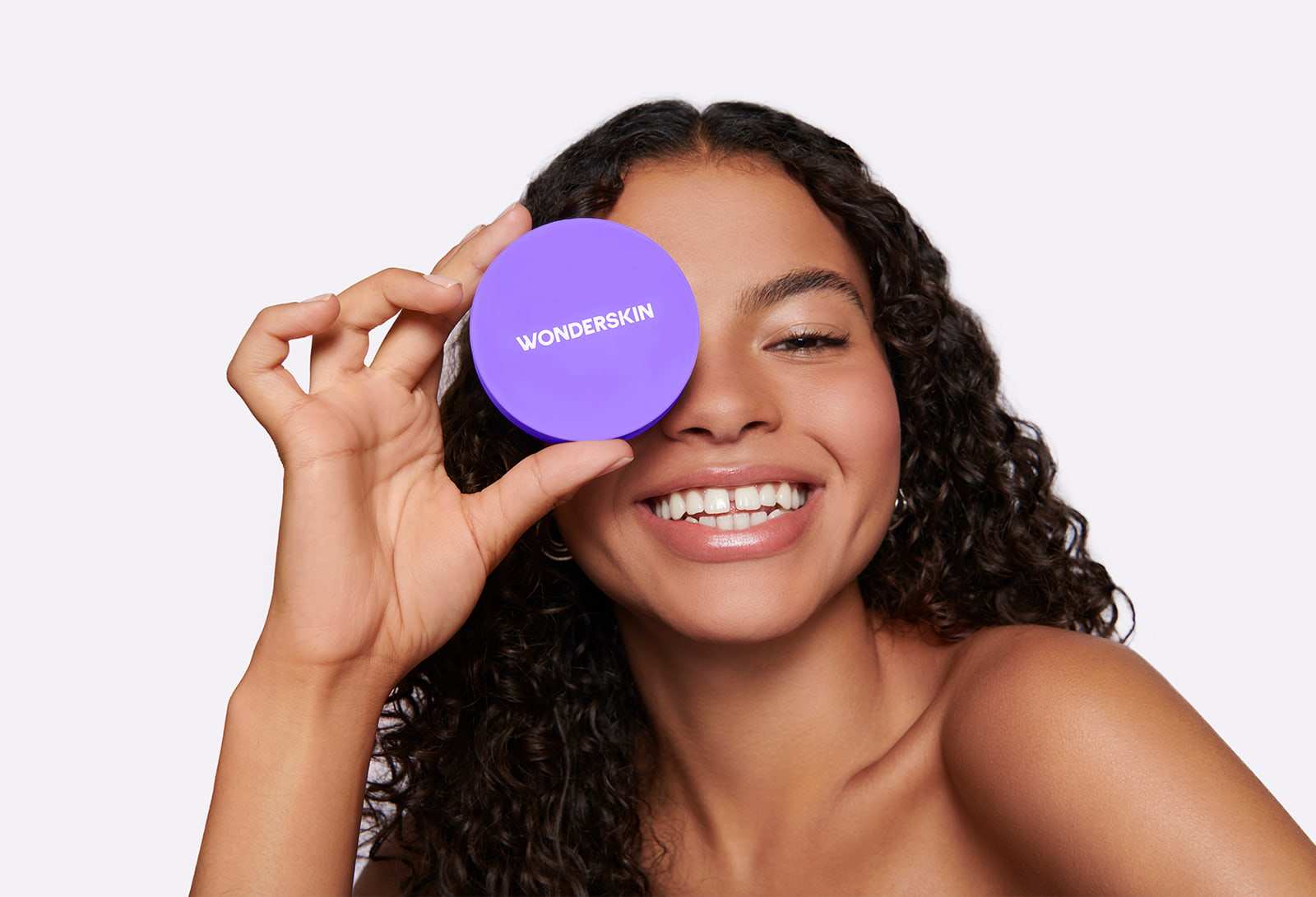
Wonderskin's revenue composition has already shifted. The hero Wonder Blading Lip Stain now represents less than half of total sales, with a growing eyeliner category, the Phlush Stick blush, and the Hyper Bond All-Day Stay Serum foundation collectively absorbing more of the top line. This portfolio reset is precisely what institutional investors require before committing capital at Series A scale. Overreliance on a single SKU is a valuation liability. A balanced portfolio with multiple hero identities, as Malinsky describes it, is a growth narrative.
The brand's declared interest in expanding into skincare carries additional strategic weight. Skincare commands higher average unit economics and greater repeat-purchase frequency than color cosmetics, which makes it the natural premiumization lever for brands approaching the $200 million revenue threshold. Consumer loyalty dynamics in skincare, particularly around foundation and treatment categories, produce longer customer lifetime values and reduce the paid-acquisition dependency that strains most DTC models at scale.
The Creator Ecosystem as Distribution Infrastructure
Wonderskin's distributed creator model, prioritizing networks of mid-tier and niche beauty creators over single celebrity anchorship, functions as a form of audience diversification that mirrors sound portfolio theory. Concentrating influencer spend in one macro-creator introduces brand exposure to that individual's reputational volatility. A constellation of engaged micro-communities produces more resilient, geographically distributed demand generation.
As the brand accelerates its international retail expansion, this model will require localization. Creator ecosystems that perform in North America do not automatically transfer to GCC or APAC markets, where platform preferences, beauty ideals, and influencer trust dynamics operate under entirely different conditions. The brands that navigate international prestige positioning successfully are those that build regionally specific creator infrastructure before shelf space is committed.
Wonderskin enters the second half of 2025 as a brand at its most structurally consequential moment: capitalized, IP-protected, and mid-distribution reset. How it manages the tension between its DTC identity and the operational demands of scaled retail will determine whether the $200 million milestone is a ceiling or a floor.
This article references and builds on original reporting by Amy Francombe for vogue.com. Read the original piece here: https://www.vogue.com/article/how-wonderskin-turned-tiktok-fame-into-a-dollar200-million-beauty-business. BeautyScale is a commercial agency; our editorial notes are commentary on industry reporting.
Nya Ravel
Beauty market analyst covering trends, brands, and distribution shifts.