From Guava Street to Growth Capital: Why $2.3B in Indie Fragrance M&A Points to Manila's Next Acquisition Target

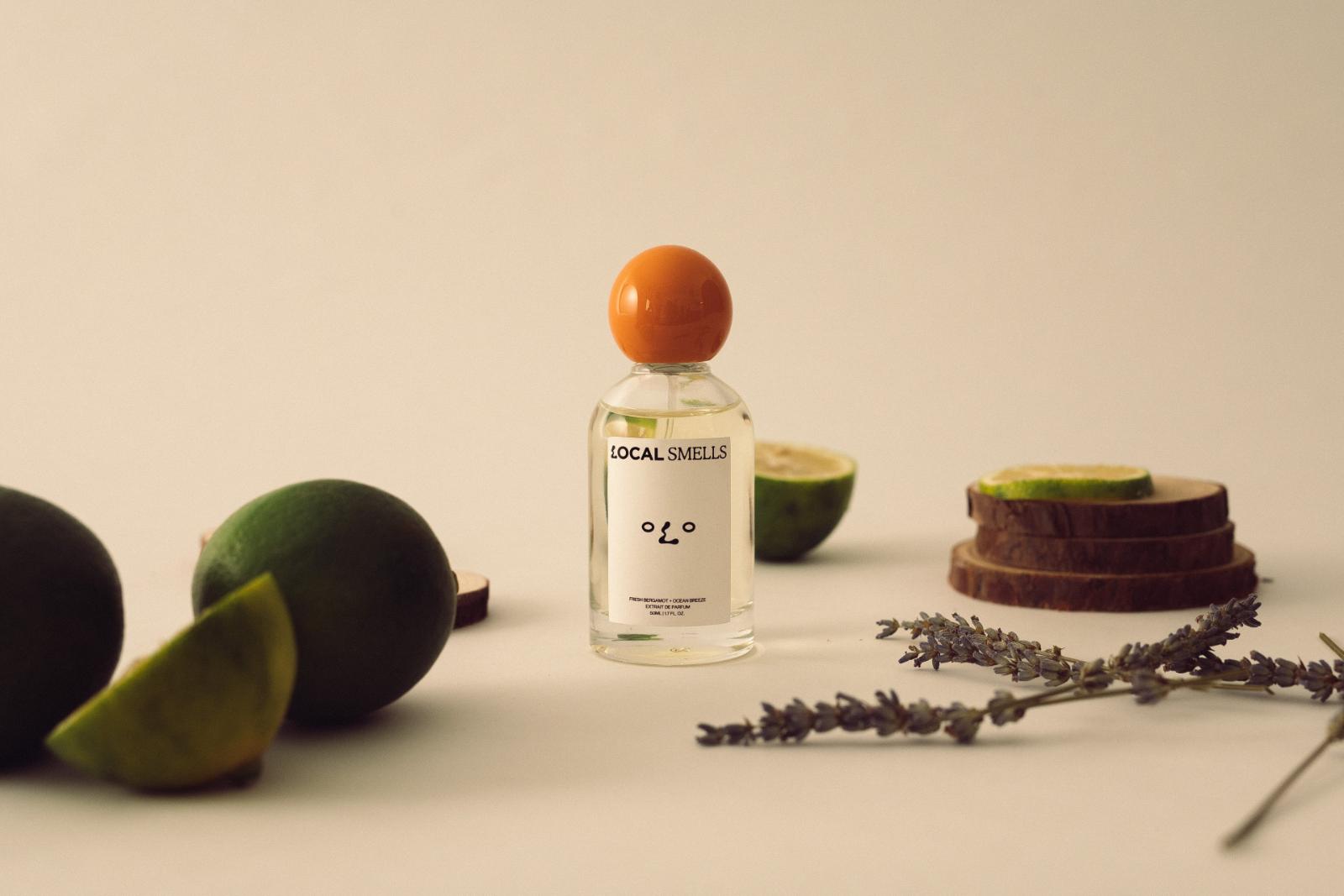
The global indie fragrance market reached $2.3 billion in transaction value across 2023 and 2024 combined, with strategic consolidation accelerating as legacy conglomerates from LVMH Fragrance Brands to Estée Lauder Companies hunt for culturally specific, story-driven IP. Metro Manila-based Guava Smells, founded by Ryan Danao and Noelle D. Lejano, represents exactly the profile that acquisition scouts are beginning to map in APAC: founder-led, community-anchored, and built on a distribution architecture light enough to scale without destroying brand equity. The brand's price point, ranging from ₱550 to ₱750 per perfume (approximately $9 to $13 USD), positions it firmly in the masstige corridor that has historically proven easiest to premiumize upward. That pricing elasticity, paired with a deeply local scent vocabulary rooted in Filipino citrus, oceanic accords, and tropical woods, creates a dual-market opportunity few emerging APAC brands have managed to engineer intentionally.
The Masstige Entry Point Is a Strategic Asset, Not a Limitation
Guava Smells' current retail pricing is often read as a constraint. It is more accurately a positioning instrument. The masstige corridor in Southeast Asian fragrance has a demonstrated CAGR of 11.4 percent through 2028, according to Euromonitor projections for the APAC personal fragrance segment, outpacing both the pure mass and pure prestige tiers. Danao and Lejano have priced for daily-use conversion rather than occasion-based purchase behavior, a consumer psychology shift that legacy fragrance houses have spent hundreds of millions attempting to engineer among younger demographics. The brand's stated philosophy, that fragrance should be "worn, felt, and lived in daily," is not a lifestyle statement. It is a consumption frequency thesis that directly improves repurchase velocity metrics.
Distribution Architecture Determines the Ceiling
Guava Smells currently operates through a pop-up and direct-to-consumer model anchored in Manila's independent retail ecosystem, with its first anniversary event held at the Atrium in Makati. That venue choice is telling: a repurposed Brutalist structure hosting a curated cohort of homegrown brands signals community-commerce alignment rather than traditional retail dependency. For a brand at this stage, that distribution architecture preserves margin while building authentic brand heat, but it also creates a ceiling that direct channels alone cannot break. The critical inflection point for brands in this profile is typically channel expansion into curated multi-brand retail, specifically platforms with regional reach across APAC or specialty beauty retail networks operating in MENA and GCC markets, where Filipino diaspora populations create immediate demand corridors. A regional wholesale partnership or a platform listing on a curated beauty marketplace would not dilute the brand. Executed correctly, it would validate it.
Portfolio Reset Potential for Regional Conglomerates
For regional beauty conglomerates executing a portfolio reset, particularly those holding legacy fragrance lines that skew older and import-dependent, Guava Smells represents the kind of culturally grounded IP that cannot be built in a product development lab. The brand's scent narratives, including Grapefruit and Cashmere, Lime and Ylang-Ylang, and Rosewood and Soft Suede, are not simply product names. They are memory artifacts with demonstrable emotional recall among Filipino consumers. Rosewood and Soft Suede prompted one buyer to note that it "smells like a rosary," a cultural-sensory reference that no imported fragrance line could authentically claim. That specificity is an M&A asset. Acquirers in the prestige positioning space have consistently paid premiums for brands with established scent storytelling that resonates at the community level, because replicating that resonance post-acquisition is structurally difficult and expensive.
The Forward Trajectory: Premiumization Without Estrangement
The most disciplined path forward for Guava Smells is a controlled premiumization strategy that raises average selling price without abandoning the daily-use consumer who built the brand's initial community. Introducing a premium tier at ₱1,500 to ₱2,200, anchored by more complex accord structures and limited-run packaging, would expand margin per unit while maintaining the core line's accessibility. Brands that execute this two-tier architecture successfully, most recently illustrated by Commodity in the US market and Maison Margiela's Replica line in APAC, sustain their masstige credibility while opening a genuine prestige conversation with wholesale buyers and travel retail operators. Guava Smells is, by current indicators, approximately 18 to 24 months from being a credible target for a regional strategic investor. The founders would be well-advised to begin thinking in terms of brand architecture rather than batch production before that window fully opens.
This article references and builds on original reporting by Ann Estaris for envimedia.co. Read the original piece here: https://envimedia.co/guava-smells-and-the-art-of-everyday-fragrance/. BeautyScale is a commercial agency; our editorial notes are commentary on industry reporting.
Josette Assaf
Beauty market analyst covering trends, brands, and distribution shifts.