The Premiumization Wave: Why Mass Beauty Brands Are Hemorrhaging Market Share

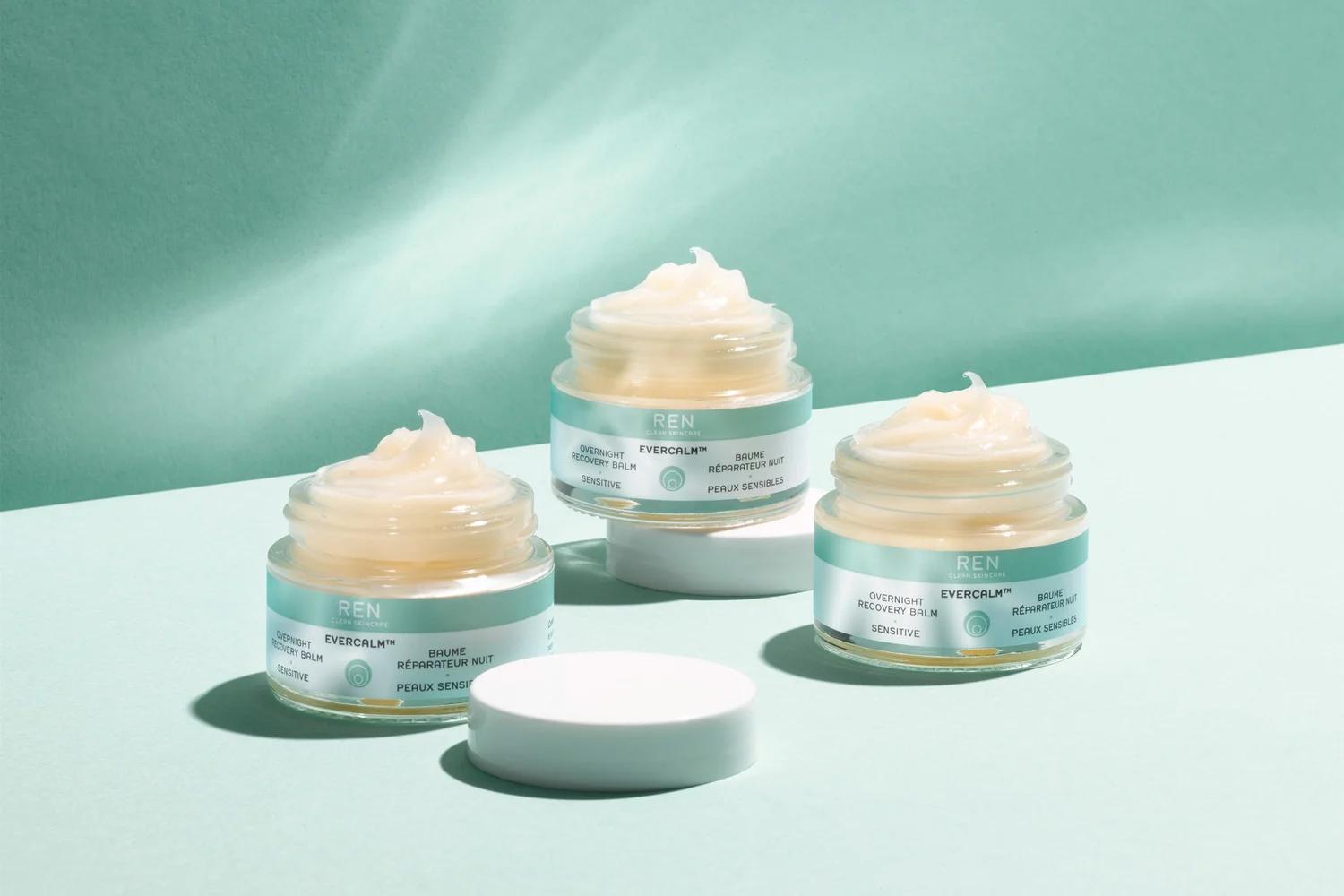
Mass beauty's structural advantages — scale, shelf omnipresence, price accessibility — are no longer sufficient defenses against a consumer base that has decisively repriced its relationship with personal care. The premiumization shift now reshaping global beauty is not a cyclical correction; it is a category-level realignment, one that is compressing margins at the mass tier while accelerating velocity at prestige and masstige price points. For brand managers, retail buyers, and investors holding exposure to legacy mass portfolios, the strategic implications are immediate.
The Distribution Architecture Is Shifting Against Mass
Legacy mass beauty brands were engineered for a specific retail reality: high-volume door counts, promotional cadence, and margin structures built around drugstore and hypermarket velocity. That architecture is under direct pressure. As specialty retail — Sephora, Space NK, Niche Beauty — continues expanding its geographic footprint across MENA, APAC, and secondary GCC markets, it is simultaneously pulling consumer attention and basket spend away from traditional mass channels.
The structural problem is compounding. Specialty retail curates upward, rewarding brands with credible ingredient narratives and prestige adjacency. Mass-tier incumbents lack the brand equity to credibly occupy that shelf space, and they lack the margin architecture to justify the investment required to build it. The channel is, functionally, closing.
Prestige Positioning Is Now a Portfolio Imperative, Not a Premium Play
The most consequential strategic move in beauty over the past 36 months has not been a single acquisition — it has been the systematic portfolio reset executed by conglomerates rationalizing their mass exposure in favor of prestige and masstige assets. Estée Lauder Companies, L'Oréal's luxury division, and LVMH's Perfumes & Cosmetics segment have all accelerated investment in high-unit-revenue brands while their mass-adjacent holdings face sustained SKU rationalization.
The third, and most capital-intensive, is M&A-led premiumization: acquiring masstige or prestige assets that elevate the portfolio's average unit revenue and grant access to consumer cohorts currently inaccessible at the mass price point.
This is not aesthetic preference — it is financial engineering. Prestige beauty carries structurally higher gross margins, lower promotional dependency, and significantly stronger direct-to-consumer conversion economics. As DTC becomes a primary intelligence layer for brand strategy, mass brands — whose consumer relationships are mediated almost entirely through third-party retail — are operating with a fundamental data disadvantage.
The Masstige Middle Is Eating Mass from Below
If prestige is capturing aspirational spend from above, masstige is executing a more aggressive displacement at the value threshold. Brands operating in the $15–$40 price corridor — positioned with clinical efficacy claims, dermatologist endorsements, and clean formulation architecture — are delivering the consumer proposition that mass has historically owned, at a price premium consumers are demonstrably willing to pay.
The founder-led brand dynamic is accelerating this displacement. Independent founders entering the masstige corridor are not burdened by legacy retail agreements, heritage SKU complexity, or conglomerate approval cycles. They are moving faster on trend responsiveness, ingredient transparency, and influencer-to-retail sequencing. Retailers across GCC and APAC markets are actively prioritizing these brands in planogram resets, recognizing that masstige velocity is outperforming legacy mass at equivalent shelf positions.
The strategic consolidation play is already visible. M&A activity in the masstige corridor has intensified as major groups seek to acquire the brand equity and consumer trust they cannot build organically at the speed the market demands.
The first is genuine portfolio reset: retiring low-margin, low-differentiation SKUs and reinvesting in hero product architecture with defensible efficacy claims and ingredient stories capable of supporting a prestige adjacency narrative.
What Mass Brands Must Do Now
The window for reactive strategy is narrowing. Mass beauty brands facing share erosion have three credible paths forward, and executing none of them is not a neutral position — it is managed decline.
The first is genuine portfolio reset: retiring low-margin, low-differentiation SKUs and reinvesting in hero product architecture with defensible efficacy claims and ingredient stories capable of supporting a prestige adjacency narrative. The second is distribution architecture reconfiguration — reducing promotional dependency in traditional mass channels while building selective specialty retail relationships that reposition the brand's perceived value tier.
The third, and most capital-intensive, is M&A-led premiumization: acquiring masstige or prestige assets that elevate the portfolio's average unit revenue and grant access to consumer cohorts currently inaccessible at the mass price point. This is the path L'Oréal has executed with consistent discipline across multiple market cycles, and it remains the most durable model for long-term category leadership.
Mass beauty is not disappearing. Price accessibility retains genuine strategic value in inflation-sensitive markets and across emerging economy consumer bases in APAC and MENA. But the mass tier's share of prestige-oriented consumer spend — the high-frequency, high-loyalty, high-margin cohort — is in structural retreat. Brands and investors who treat this as a temporary headwind rather than a permanent recalibration will find themselves significantly behind the next strategic cycle.
The premiumization wave is not cresting. It is accelerating — and distribution, portfolio architecture, and M&A positioning must reflect that reality now.
Paul Chauveau
Beauty market analyst covering trends, brands, and distribution shifts.