Rituals’ €40M boutique model leads high touch lifestyle commerce for modern wellness consumers

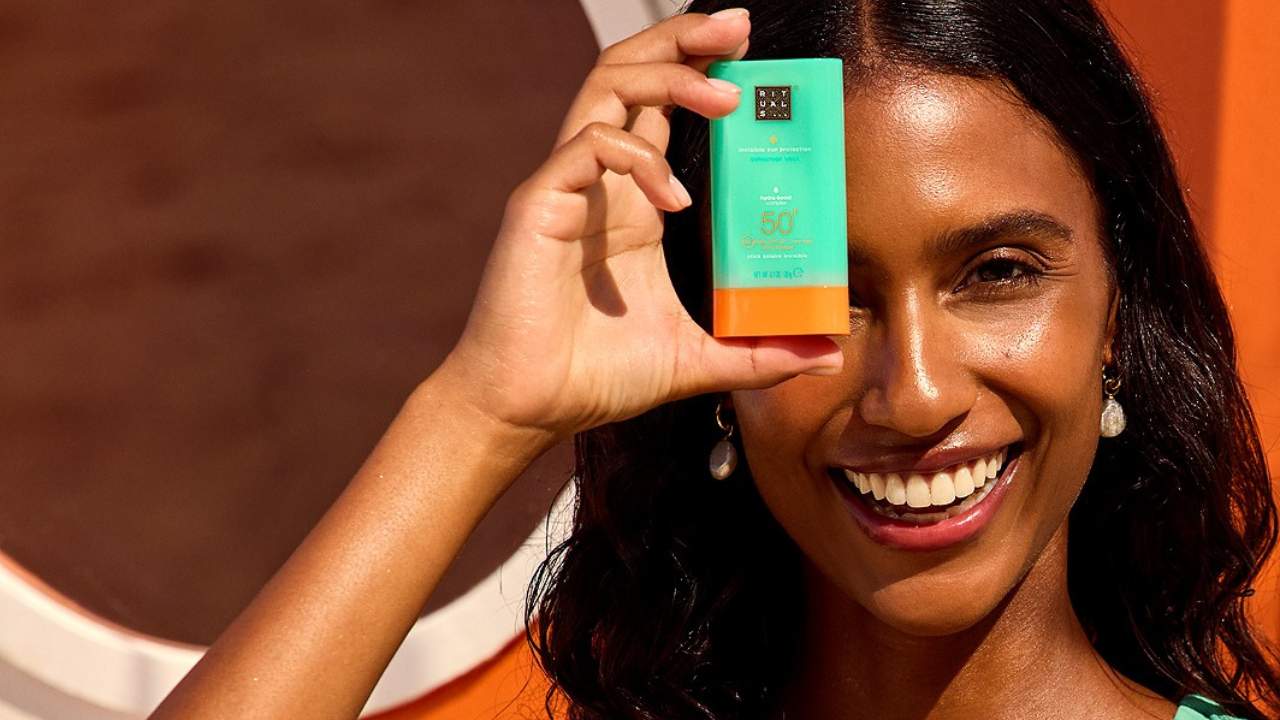
The global prestige beauty market is projected to exceed $100 billion by 2027, and the brands accelerating toward that number are not waiting for consumer demand to pull them upward. They are engineering the conditions for demand through distribution architecture, immersive retail formats, and a portfolio reset that repositions everyday products as ceremonial objects. Rituals Cosmetics, the Amsterdam-founded lifestyle and wellness brand, has committed roughly €40 million to its boutique retail expansion, a figure that signals something more consequential than store growth. It signals a thesis: that prestige positioning in modern beauty is less about product formulation and more about the controlled environment in which a consumer first encounters a brand.
Distribution Architecture as Brand Language
Rituals operates more than 1,000 points of sale globally, but its strategic weight sits inside its owned boutiques, not inside department store concessions or third-party e-commerce. This is a deliberate architecture decision. By concentrating capital into freestanding retail formats, the brand retains full command over sensory environment, staff training, service cadence, and conversion sequencing. Each boutique functions as a proof-of-concept for the brand's broader wellness positioning, delivering the kind of tactile, unhurried experience that no wholesale channel can replicate at scale.
For brand managers and retail strategists watching from adjacent categories, the lesson is structural. When a brand invests at this level in owned physical retail, it is not betting against digital. It is using physical presence to anchor the brand's perceived value at a ceiling that digital alone cannot sustain. The boutique becomes the reference point that makes every other touchpoint, including the app, the e-commerce site, and the travel retail fixture, feel coherent.
The Masstige Trap and How Rituals Escapes It
Most wellness and bath-body brands that achieve scale do so by widening distribution until accessibility erodes exclusivity. The result is a masstige positioning that satisfies volume targets in the short term while compressing margin and complicating any future premiumization effort. Rituals has resisted this pattern with notable discipline.
The brand's price architecture remains deliberately elevated relative to mass-market competitors in body care and home fragrance, while its boutique experience introduces a service layer that justifies that premium without requiring the brand to compete on the same prestige signals as a Chanel or La Mer. This middle lane, between aspirational luxury and accessible wellness, is commercially attractive precisely because it is hard to defend. Rituals defends it through experience density, the number of meaningful brand interactions a consumer has per retail visit, rather than through heritage, celebrity endorsement, or clinical efficacy claims.
The €40M Investment Read Through a Channel Mix Lens
Capital allocation at this scale, directed specifically toward boutique formats, reflects a channel mix philosophy that prioritizes lifetime value over acquisition velocity. A consumer who discovers Rituals inside a freestanding boutique on a high street in Amsterdam, London, or Dubai's Mall of the Emirates enters a brand relationship at a higher emotional register than a consumer who adds a body scrub to a Sephora basket online.
That distinction matters to investors and brand operators in equal measure. Higher entry-point brand relationships correlate with stronger repurchase rates, higher basket sizes, and greater receptivity to portfolio extensions. When Rituals launches a new home fragrance collection or a wellness supplement line, the boutique-acquired consumer is already primed to receive it as a natural extension of a lifestyle they have consciously adopted, not as an upsell from a brand they casually discovered on an algorithm.
This dynamic is why the boutique model carries strategic logic well beyond retail aesthetics. It is a customer acquisition mechanism dressed as an experience format, and the €40 million figure represents a calculated bet that the lifetime value math closes decisively in favor of owned, high-touch distribution.
What the Rituals Model Signals for Prestige Positioning in 2025
Across MENA, APAC, and Western European markets, the prestige beauty segment is seeing a bifurcation in how brands approach physical retail. One cohort is rationalizing store footprints and shifting capital toward performance marketing and retail media. A second cohort, with Rituals among its clearest representatives, is moving in the opposite direction, treating physical space as the highest-return brand-building medium available.
The forward-looking takeaway for brand operators and retail investors is concrete: the brands that will capture disproportionate share of the $100 billion prestige market will not simply be the ones with the best formulas or the most efficient supply chains. They will be the brands that own the moment of first contact at sufficient depth to convert a transaction into an identity. Rituals is spending €40 million on the hypothesis that a boutique can do that better than any other format. The brands watching from the sidelines should be asking whether their current distribution architecture can make the same argument.
This article references and builds on original reporting by Samantha Conti for WWD. Read the original piece here: https://wwd.com/beauty-industry-news/beauty-features/rituals-retail-expansion-launches-fragrance-beauty-world-1239062895/. BeautyScale is a commercial agency; our editorial notes are commentary on industry reporting.
Rami Al Ariss
Beauty market analyst covering trends, brands, and distribution shifts.