Bath & Body Works' $1.4B Nostalgia Bet: How the Hilary Duff Partnership Signals a Masstige Portfolio Reset
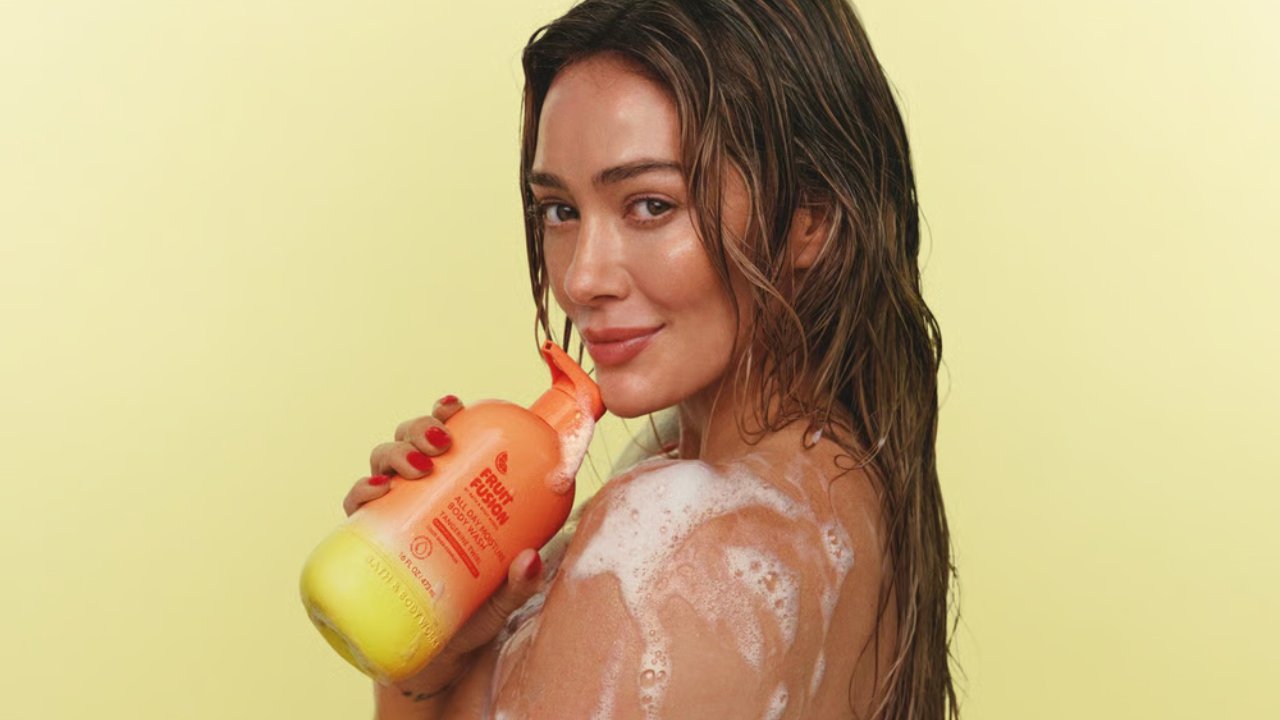
Bath & Body Works generated $1.39 billion in net sales during Q1 2025, yet its core customer retention metrics have drawn persistent scrutiny from analysts watching the brand navigate a post-pandemic prestige migration. The Hilary Duff x Fruit Fusion collaboration, launched in summer 2026, is not a celebrity fragrance play. It is a deliberate distribution architecture decision designed to reanchor millennial consumers who have drifted toward prestige body care at Sephora and Ulta Beauty. The strategic calculus here is sharper than it appears on the surface, and the implications extend well beyond a seasonal product drop.
Nostalgia as a Distribution Mechanism
Bath & Body Works operates approximately 1,800 retail locations across North America, a footprint that no prestige body care brand can replicate at comparable unit economics. The challenge for Chief Executive Officer Gina Boswell and her team is not awareness. It is relevance among a millennial cohort aged 30 to 44 that now has disposable income to spend at Aesop, Sol de Janeiro, and L'Occitane. Duff, 38, occupies a precise cultural coordinate: she is old enough to trigger genuine nostalgia among consumers who purchased Bath & Body Works body splashes with allowance money in 2003, and current enough to hold credibility in 2026 as a touring artist with a documented skincare regimen. That combination is rare, and Bath & Body Works priced the partnership accordingly.
Masstige Premiumization Within an Accessible Price Architecture
The Fruit Fusion line, anchored by hand sanitizers, perfume mists, and hyaluronic acid-infused body lotions, executes a premiumization strategy that keeps retail price points accessible while borrowing equity from the prestige skincare ingredient vocabulary. Hyaluronic acid as a hero ingredient in a mass-channel body lotion is a direct response to Sol de Janeiro's explosive CAGR in the accessible luxury segment, which Natura and Co. has reported growing at double digits across APAC and MENA. Bath & Body Works is not competing with Sol de Janeiro on brand positioning. It is competing on shelf penetration and repurchase frequency, where its distribution architecture gives it a structural advantage no specialty retailer can neutralize in the near term.
Celebrity Equity at a Critical M&A Inflection Point
Bath & Body Works separated from L Brands in August 2021 and has operated as a standalone public company ever since. That independence has sharpened the urgency of brand portfolio decisions. The company's current market capitalization, hovering near $4.2 billion as of mid-2026, positions it as both an acquirer and an acquisition target in a beauty industry undergoing rapid strategic consolidation. In that context, the Duff partnership functions as a brand equity signal to institutional investors and potential acquirers: Bath & Body Works can activate cultural relevance with precision, not just promotional volume. The Lucky Me tour, running through North America before moving to Ireland and the UK in September, extends the campaign's geographic reach into markets where Bath & Body Works has been systematically expanding its international footprint since 2022.
The Forward Architecture: From Transaction to Brand Loyalty
The more consequential question for brand strategists is whether Bath & Body Works can convert nostalgia traffic into a loyalty architecture that sustains beyond the tour cycle. Duff's integration of Fruit Fusion into a documented wellness and performance routine, including partnerships alongside Therabody and YSE Beauty, positions the line within a broader self-care stack that resonates with millennial purchasing behavior. That narrative framing matters. It shifts the consumer relationship from transactional, driven by scent novelty and promotional pricing, toward habitual, driven by product efficacy and routine integration.
Bath & Body Works has the unit economics to sustain a premiumization strategy at scale. What it is still building is the brand language to make that strategy credible to a consumer who now reads ingredient labels and compares INCI lists. The Duff collaboration buys time and cultural currency while that language develops. If the company can layer genuine ingredient innovation and portfolio extension onto this nostalgia foundation before the cycle exhausts itself, it has a credible path to defending masstige leadership through 2028 and beyond. If it cannot, the 1,800-door retail footprint becomes a liability rather than an asset, anchoring the brand to a distribution model that the broader prestige migration will continue to erode.
This article references and builds on original reporting by Lauren Alberti for allure.com. Read the original piece here: https://www.allure.com/story/hilary-duff-bath-and-body-works-interview. BeautyScale is a commercial agency; our editorial notes are commentary on industry reporting.
Ruth Estabillo
Beauty market analyst covering trends, brands, and distribution shifts.