The Barbell Economy Costs Beauty $47B in Mid-Market Erosion: Why Distribution Architecture Is the New Brand Strategy


The global beauty mid-market is contracting at an accelerating rate, with analysts at Euromonitor estimating that masstige and accessible-luxury segments collectively forfeited more than $47 billion in addressable retail value between 2020 and 2024 as channel polarization intensified across APAC, MENA, and the GCC. The exits are visible and mounting: Galeries Lafayette's withdrawal from Beijing, Sephora's selective culling of mid-tier brand partners across EMEA, and the quiet delisting of legacy color brands from major department store floors in Hong Kong signal something far more structural than a consumer confidence dip. What is underway is a full-spectrum collapse of the retail middle, and beauty brands that built their entire distribution architecture around that center lane are now facing an existential portfolio reset.
The diagnosis circulating in boardrooms, that weakened discretionary spending is the culprit, is analytically insufficient. Consumer spending has not disappeared. It has bifurcated. Shoppers are simultaneously trading up into Chanel Beauty, La Mer, and Augustinus Bader, while trading down with algorithmic precision into Temu-distributed dupes and Shein's private-label skincare. The middle corridor, traditionally occupied by brands priced between $25 and $80 per unit, has lost its gravitational pull on both sides of the consumer psychology spectrum.
Prestige Positioning Requires More Than a Price Point
The upper pole of the barbell is not simply expensive. It is architecturally exclusive, and that distinction is commercially decisive. LVMH's beauty division, which reported organic revenue growth of 8 percent in fiscal 2024, is not growing because consumers have more money. It is growing because Parfums Christian Dior and Givenchy Beauty operate flagship ecosystems where the physical experience, the service model, and the scarcity narrative are inseparable from the product itself. Estee Lauder Companies' ongoing restructuring under CEO Stéphane de La Faverie, including the Profit Recovery and Growth Plan targeting $800 million to $1 billion in annualized savings, reflects precisely this logic: the company is engineering a strategic exit from diluted distribution toward a tighter prestige positioning framework. Brands that cannot credibly sustain that exclusivity architecture at retail will not survive premiumization by price alone.
The Value Pole Is a Technology Problem, Not a Sourcing Problem
At the opposite end, the competitive moat is not low cost of goods. It is algorithmic velocity. Brands like SKIMS Beauty, emerging Korean digital-native labels, and the private-label arms feeding into Temu's beauty category are operating on product development cycles measured in weeks, not quarters. Traditional beauty incumbents cannot structurally compete on that timeline without dismantling the R&D and compliance processes that define their category credibility. The strategic implication is direct: attempting to compete on value without a native digital infrastructure and a supply chain rebuilt for speed is capital destruction, not market expansion.
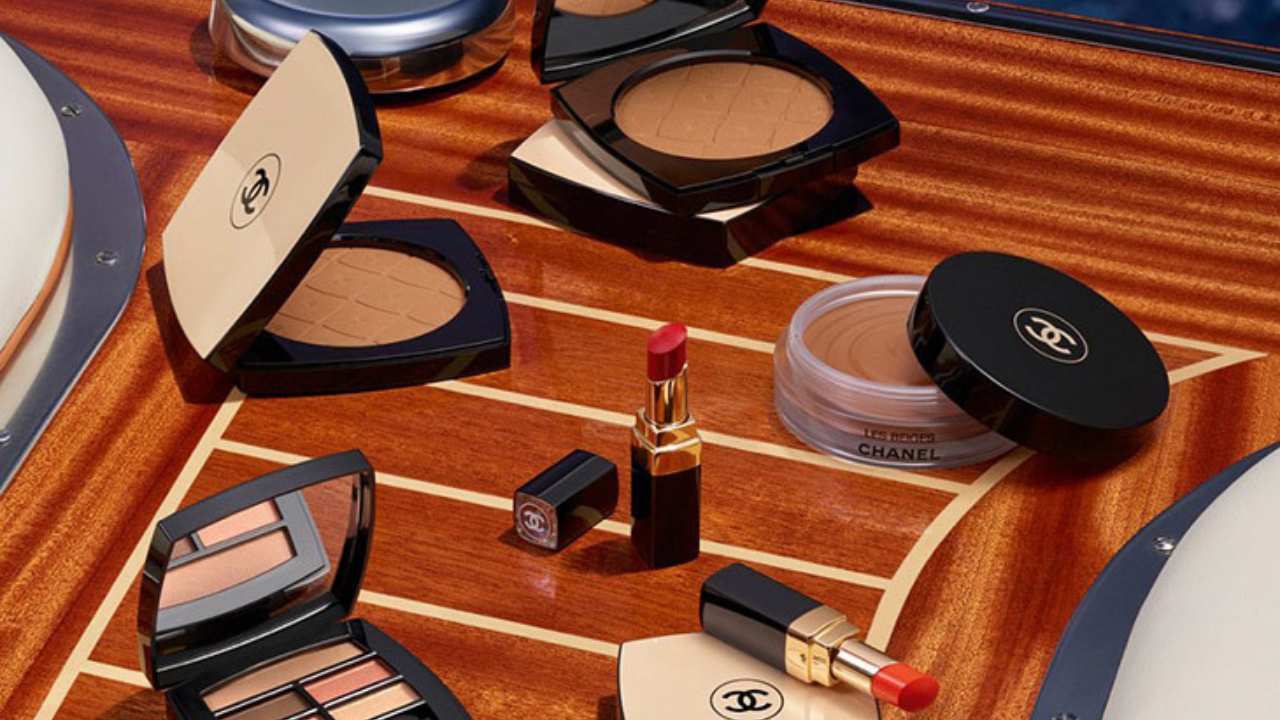
M&A Is Rewriting the Distribution Map
The M&A landscape is responding to barbell economics with notable speed. Strategic acquirers are moving decisively toward either ultra-luxury consolidation or high-efficiency digital-native roll-ups, with very little transactional activity targeting the mid-market. Advent International's continued investment in Orveon, Puig's $3.6 billion IPO positioning around prestige fragrance and niche skincare, and L Catterton's portfolio construction across premium wellness brands all confirm the same capital thesis: investors are pricing the mid-market at a structural discount and allocating toward the poles. Brands still seeking acquisition interest from a centrist positioning will find the valuation multiples increasingly punishing.
The Only Viable Architecture Is a Deliberate Pole Strategy
Distribution architecture is now a binary strategic decision, not a channel mix optimization exercise. A brand must either build toward concentrated prestige, with flagship retail, DTC depth, and brand equity that justifies a $150-plus price point in the consumer's frame, or it must rebuild around a lean, digitally native, high-velocity model that wins on accessibility and algorithmic discoverability. The brands currently suspended between those two poles, neither exclusive enough to command a flagship experience nor efficient enough to compete with platform-native value players, are already in structural decline regardless of their current revenue line.
The next 24 months will produce a cohort of brands forced into emergency portfolio resets, either through distressed M&A, channel retrenchment, or outright discontinuation. The beauty groups that move earliest to architect deliberately toward one pole, and resource that decision with genuine investment in either experiential retail or digital infrastructure, will define the next decade of category leadership. The center is not softening. It is closing.
Rami Al Ariss
Beauty market analyst covering trends, brands, and distribution shifts.