Indie Fragrance Outpaced Conglomerates 46% in 2025: Distribution Architecture Resets Category Power

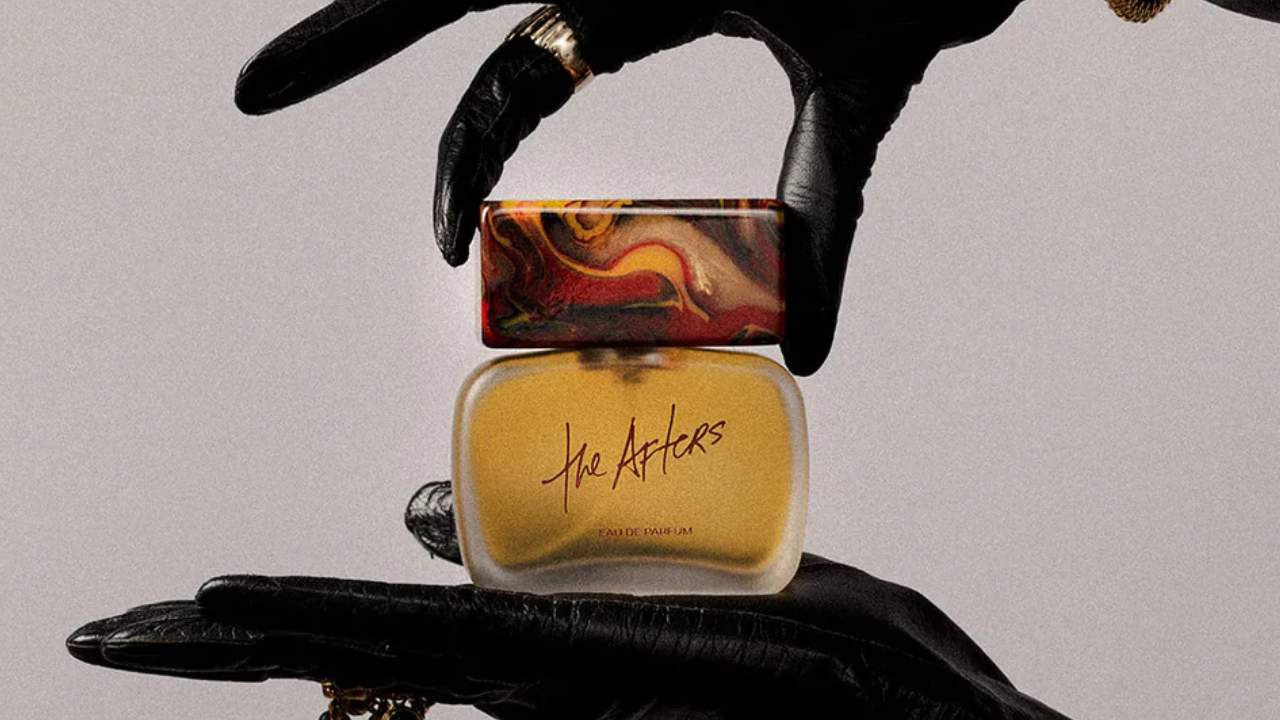
Indie fragrance sales grew 46 percent in 2025 against an 11.4 percent gain for conglomerate-owned fragrance brands, according to NIQ data, a performance gap that signals a structural redistribution of creative and commercial gravity across the category. Fragrance has now posted consecutive growth as beauty's top-performing segment for more than four years, with Circana reporting 16 percent mass-market gains and 7 percent prestige-market gains in Q1 2026 alone. Into this environment, New York-based independent perfumer Michael Nordstrand is launching The Perfumers' Union, a formal organizing body targeting fair compensation, creator credit, and AI-use standards across the independent fragrance ecosystem. The strategic implications extend well beyond labor ethics. For brand managers, investors, and retail buyers operating in the niche and masstige fragrance tiers, this development recalibrates the terms of creative partnership and, by extension, brand valuation.
Prestige Positioning Is Now a Creator-Attribution Game
The single most consequential tenet the Perfumers' Union is advancing is mandatory creator credit across brand-controlled touchpoints: websites, social media, campaign assets. This is not a soft cultural ask. In the current prestige positioning cycle, where scent storytelling drives both direct-to-consumer conversion and wholesale buyer confidence, the perfumer's identity has become a brand equity variable. Niche fragrance retailers and specialty multi-brand doors increasingly use perfumer provenance as a merchandising signal. Brands that cannot attribute their formulations to credentialed creators face growing friction in prestige distribution architecture, particularly as curated independents like Stèle in New York raise the bar for what earns shelf space.
Development Fee Standardization Rewrites the Indie Brand P&L
The union's push to normalize development fees across all independent engagements will compress margins for early-stage fragrance brands that have historically subsidized product development by pushing spec risk onto perfumers. Nordstrand's vision of a reference document modeled on the Graphic Artist Guild Handbook would give independent perfumers a defensible pricing floor, comparable to rate card infrastructure in adjacent creative industries. For investors conducting due diligence on indie fragrance brands, especially those operating sub-$10M in revenue, the normalization of upfront development costs will require a recalibration of projected COGS timelines. Brands without the capitalization to absorb structured development fees will face a meaningful barrier to sourcing top-tier independent perfumers, a dynamic that could accelerate portfolio consolidation by better-capitalized operators.
M&A Due Diligence Enters a New IP Accountability Phase
The Perfumers' Union arrives precisely as M&A activity in the niche and masstige fragrance segments continues to compress acquisition multiples for undifferentiated players. Strategic acquirers, including the major fragrance licensing houses and multi-brand beauty groups, have grown increasingly sophisticated about intellectual property provenance in fragrance portfolios. A brand that cannot clearly document its perfumer relationships, credit structures, and formula ownership chains introduces legal and reputational liability into a deal. The union's forthcoming standards documentation will likely function, over time, as an informal audit benchmark. Acquirers will begin asking whether target brands are union-compliant, not from a regulatory standpoint, but as a proxy for operational maturity and creator-relationship integrity.
The Anti-AI Clause Draws a Market Segmentation Line
The union's formal rejection of AI in fragrance creation is the most commercially provocative element of its platform, and the most strategically clarifying. As major ingredient suppliers and conglomerate labs accelerate AI-assisted formulation, the independent fragrance community is drawing a voluntary line that effectively segments the market along craft-authenticity dimensions. For brands competing in the ultra-niche and artisanal tiers, alignment with the union's anti-AI position becomes a differentiation tool, one with tangible implications for retail placement, press positioning, and collector-consumer loyalty. Brands in the masstige tier face a more ambiguous calculus, balancing cost-efficient formulation with the reputational risk of being perceived as AI-reliant in a segment where provenance increasingly drives purchase intent.
The Perfumers' Union's September launch and inaugural August event at Stèle, anchored by an advisory committee that includes Pia Long of UK-based Olfiction and Saman Elyass of Swedish fragrance expo Polaris Olfactive, positions the organization as genuinely international from inception. As the global niche fragrance market moves toward greater institutional maturity, the union's emergence suggests that creator-side infrastructure will increasingly mirror what already exists in fashion and music. Brands and investors that adapt their partnership models ahead of that standardization curve will hold a structural advantage in both sourcing and M&A positioning through 2027 and beyond.
Rami Al Ariss
Beauty market analyst covering trends, brands, and distribution shifts.