The $8.2B Lip Care Boom: How Packaging Innovations Are Driving the Next Wave of Consumer Demand

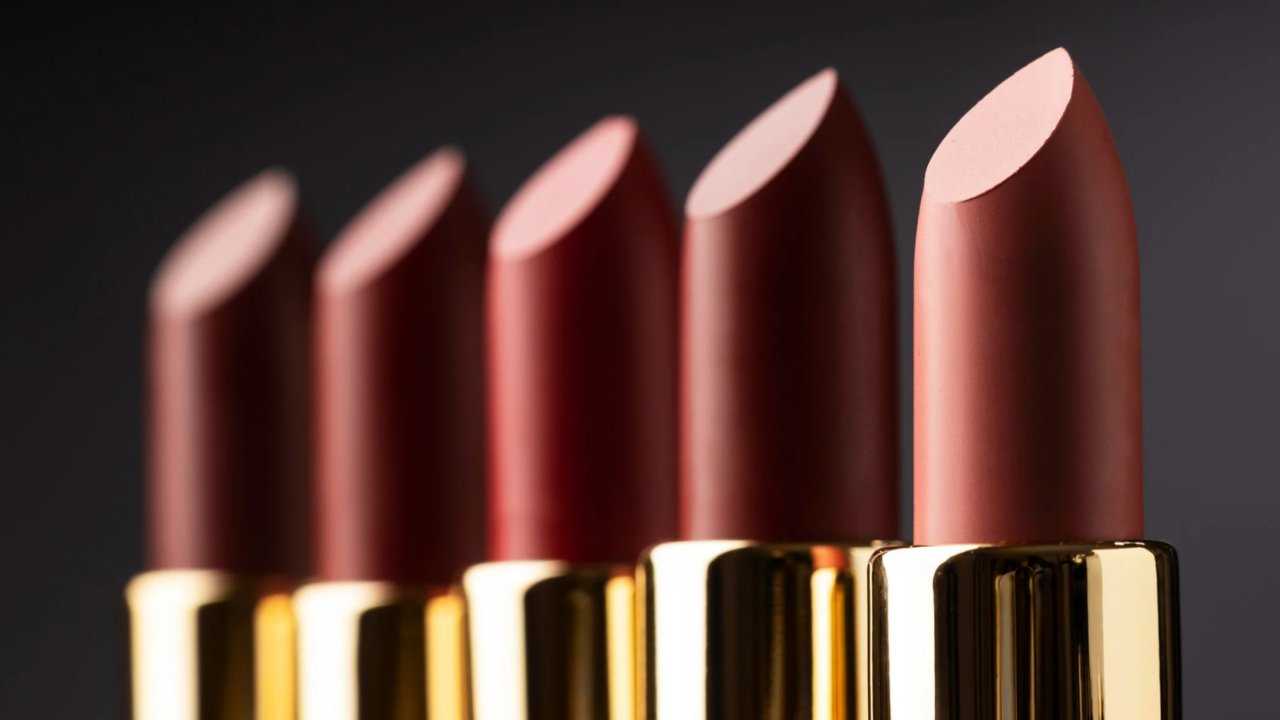
The global lip care and lip color market is projected to reach $8.2 billion by 2027, expanding at a compound annual growth rate of 6.4 percent as the category absorbs skincare science, accelerates hybrid positioning, and demands a fundamental rethinking of how brands architect product portfolios for multi-channel retail environments. This is not incremental growth. It is a structural reconfiguration of one of beauty's most historically commoditized segments, driven by a convergence of premiumization pressure, ingredient-forward formulation, and a packaging revolution that has quietly become the category's most powerful commercial lever.
For brand managers and investors tracking prestige positioning dynamics, the lip category signals something broader: the consumer is no longer purchasing a product, she is purchasing a system. The implications for distribution architecture, portfolio reset, and M&A strategy are significant and immediate.
Packaging as a Strategic Asset, Not an Aesthetic Decision
The most consequential shift in lip care over the past 24 months is the repositioning of packaging from a cost center to a brand equity vehicle. Refillable bullet formats, airless pump applicators for treatment-grade balms, and dual-chamber designs that separate active ingredients from pigment until point of application are no longer differentiation tactics. They are baseline expectations at the prestige and masstige price tiers.
Brands that have invested in proprietary delivery formats are capturing disproportionate shelf presence and consumer repurchase intent. The packaging innovation is functioning as a distribution architecture signal, communicating to retail partners that a brand is positioned for long-term category leadership rather than trend-cycle participation. This distinction is increasingly influencing ranging decisions at specialty and department store channels.
The Hybrid Formulation Imperative Is Reshaping Portfolio Logic
The convergence of color cosmetics and skincare within lip care is forcing a portfolio reset across brands of every scale. Hyaluronic acid, peptide complexes, and SPF integration are no longer premium tier exclusives. They are migrating rapidly into the masstige band, compressing the formulation white space that mid-market brands have historically used to justify their positioning.
This compression is accelerating M&A activity as larger holding companies seek to acquire brands that have already completed the formulation transition rather than fund internal R&D cycles. Smaller, founder-led brands with proprietary actives or credentialed dermatological partnerships carry elevated acquisition multiples in the current environment. The category's CAGR of 6.4 percent makes lip care one of the more defensible growth targets for strategic consolidation, particularly for acquirers with existing color cosmetics infrastructure seeking adjacent category expansion.
Distribution Architecture Is the Competitive Moat
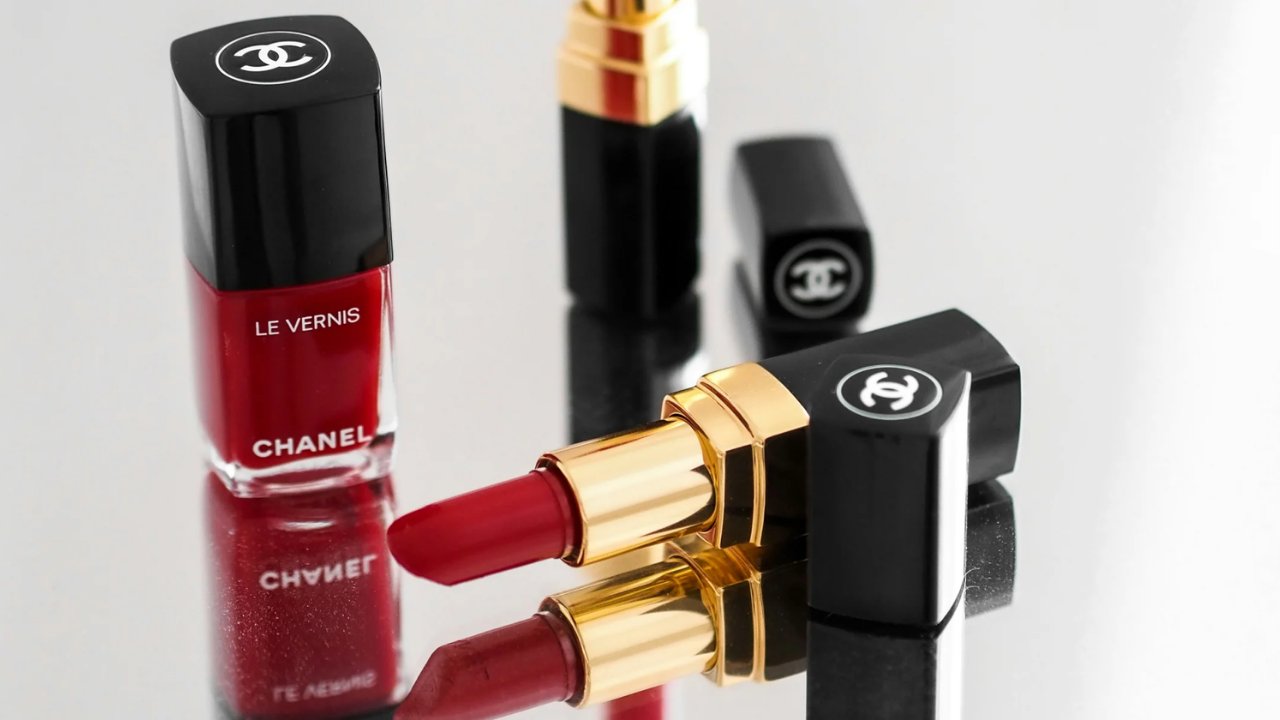
The brands gaining sustainable category share are not winning on formulation alone. They are winning on distribution architecture, specifically the deliberate sequencing of channels to build price integrity and brand authority before pursuing volume. The prestige-to-masstige pipeline remains the dominant playbook: establish credibility at Sephora or premium department store retail, then extend selectively into broader specialty or pharmacy distribution while protecting the hero SKU from channel dilution.
In APAC and GCC markets, this architecture requires additional calibration. Social commerce penetration in APAC is reshaping the sequencing entirely, with several emerging brands building significant revenue through live commerce before any physical retail presence. In GCC, the prestige consumer's appetite for limited-edition and regionally exclusive packaging formats creates a distinct channel opportunity that global brands are beginning to operationalize through localized distribution partnerships.
What Brand Leaders and Investors Should Act On Now
The $8.2 billion projection is an aggregate figure, but the real value is concentrated in a narrower set of strategic decisions made in the next 18 to 24 months. Brands that treat packaging as a portfolio strategy input rather than a production line specification will build defensible positions. Those that continue to treat the lip category as a margin contribution vehicle without investing in formulation credibility and structural packaging differentiation will find themselves priced out of the prestige tier and outmaneuvered in masstige by brands with stronger ingredient narratives.
For investors, the most actionable signal is founder-led brands with proprietary packaging formats and clinical formulation credentials operating at or approaching profitability in their home market. These represent the acquisition targets most likely to command premium multiples as strategic consolidation accelerates through 2026.
The lip category is rewarding precision over scale. Portfolio architecture, channel sequencing, and packaging investment are not secondary considerations. In the current market structure, they are the primary drivers of brand valuation and category longevity.
This article references and builds on original reporting by Rachel Clancy Rachel Clancy for Beauty Packaging. Read the original piece here: https://www.beautypackaging.com/lip-product-packaging-keeps-pace-with-trends/. BeautyScale is a commercial agency; our editorial notes are commentary on industry reporting.
Martin Jacob
Beauty market analyst covering trends, brands, and distribution shifts.