Style Capital Backs Essential Parfums: A Niche Fragrance Play Worth Watching in a $68B Market
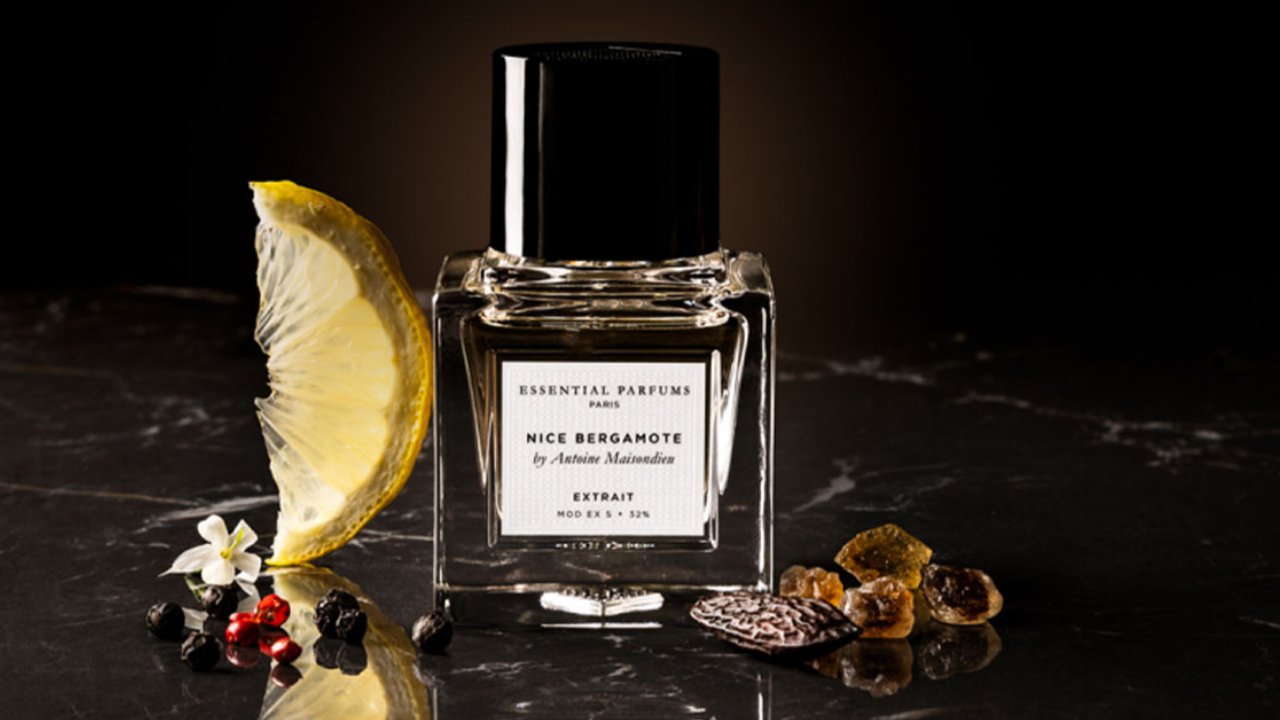
The global prestige fragrance market is projected to reach $68 billion by 2028, compounding at a CAGR of 6.4 percent, and private equity is following the scent. Milan-based Style Capital's minority stake in Essential Parfums, the Parisian niche house co-founded by Géraldine and Stanislas Archambault in 2018, signals more than a single transaction. It marks the convergence of two structural forces reshaping the fragrance category: the accelerating premiumization of accessible niche, and a new class of fashion-adjacent PE firms repositioning beauty as a core vertical rather than an opportunistic add-on. For Essential Parfums, the capital injection arrives at precisely the moment when distribution architecture becomes the defining variable between a cult brand and a commercially scaled one.
Niche Fragrance Is No Longer a Boutique Bet
The niche fragrance segment has delivered consistent outperformance against the broader beauty market for six consecutive years, with consumers in APAC, GCC, and Western Europe demonstrating willingness to pay premiums of 40 to 60 percent over prestige department-store alternatives. Essential Parfums occupies an intentional position within this landscape, pricing accessibly relative to category peers while maintaining the responsible sourcing credentials and transparent storytelling that resonate with the post-pandemic fragrance consumer. That combination, masstige execution with credible niche identity, is increasingly rare and increasingly valuable to investors seeking scalable prestige positioning without the dilution risk that follows over-distribution.
Style Capital's entry is notable because the firm has no prior beauty portfolio exposure. Roberta Benaglia, founder and CEO of Style Capital, characterized the investment as an expansion beyond fashion and luxury into lifestyle categories where, in her framing, creativity, product excellence, and international scalability can drive long-term value creation. That language maps directly onto the strategic playbook established by luxury conglomerates including Puig and L'Oreal's acquisitions unit, where category diversification through founder-led niche brands has consistently delivered superior returns compared to legacy portfolio assets.
Distribution Architecture Will Define the Next Phase
Founders Géraldine and Stanislas Archambault retain majority ownership, a structure that preserves brand direction while enabling institutional capital to accelerate the distribution build-out. That build-out is where the investment thesis lives or dies. Essential Parfums currently operates across a curated mix of selective retail partners, directly operated stores, and e-commerce, a tri-channel model that functions well at a certain scale and breaks down without deliberate infrastructure investment beyond it.
The critical decision over the next 18 to 24 months will be channel prioritization. APAC and GCC retail environments reward fragrance brands that can deliver sensory retail experiences anchored in cultural resonance, not just product quality. Expansion into those geographies demands localized distribution architecture, regional wholesale relationships, and retail formats calibrated to market-specific consumer behavior. Style Capital's existing fashion portfolio relationships across EMEA and selective APAC markets could accelerate those introductions materially, which may represent the less visible but more operationally significant component of this deal.
The Portfolio Reset PE Is Running Across Beauty
Style Capital's move into beauty reflects a broader portfolio reset occurring among European PE firms that built their credentials in fashion and luxury. The traditional fashion investment thesis has compressed under pressure from digital disruption, supply chain volatility, and shifting consumer preferences. Beauty, by contrast, offers recurring purchase cycles, higher gross margin profiles typically in the 65 to 75 percent range for prestige fragrance, and demonstrable consumer loyalty in the niche segment. The M&A pipeline in fragrance specifically has intensified, with notable transactions including Advent International's investment in Amouage and Manzanita Capital's long-term stewardship of Malin and Goetz establishing proof-of-concept for PE-backed scaling without brand equity erosion.
Essential Parfums enters this environment with structural advantages. Its transparent pricing model and responsible sourcing narrative translate cleanly across markets without requiring repositioning. The house has not over-extended its distribution, which means the growth runway is genuine rather than manufactured through portfolio reset after premature saturation.
The Scalability Test Begins Now
The investment terms remain undisclosed, and the absence of a revenue figure in any public communication is consistent with the house's stage and the founders' preference for deliberate narrative control. What the market should watch is the pace and geography of retail expansion over the next two fiscal years. If Style Capital executes against its stated ambition, Essential Parfums becomes a legitimate target for strategic acquisition by a larger fragrance or beauty group within a five-to-seven year horizon, consistent with the exit timelines PE has established across comparable niche fragrance assets. The more interesting question is whether Benaglia and the Archambaults are building toward that outcome, or toward something longer and more independent.
This article references and builds on original reporting by Cosmetics Business. Read the original piece here: https://cosmeticsbusiness.com/essential-parfums-receives-investment-from-style-capital. BeautyScale is a commercial agency; our editorial notes are commentary on industry reporting.
Rami Al Ariss
Beauty market analyst covering trends, brands, and distribution shifts.