Ouai's $6.1B Hair Care Repositioning: Why Prestige Brands Are Resetting Their Core Lines

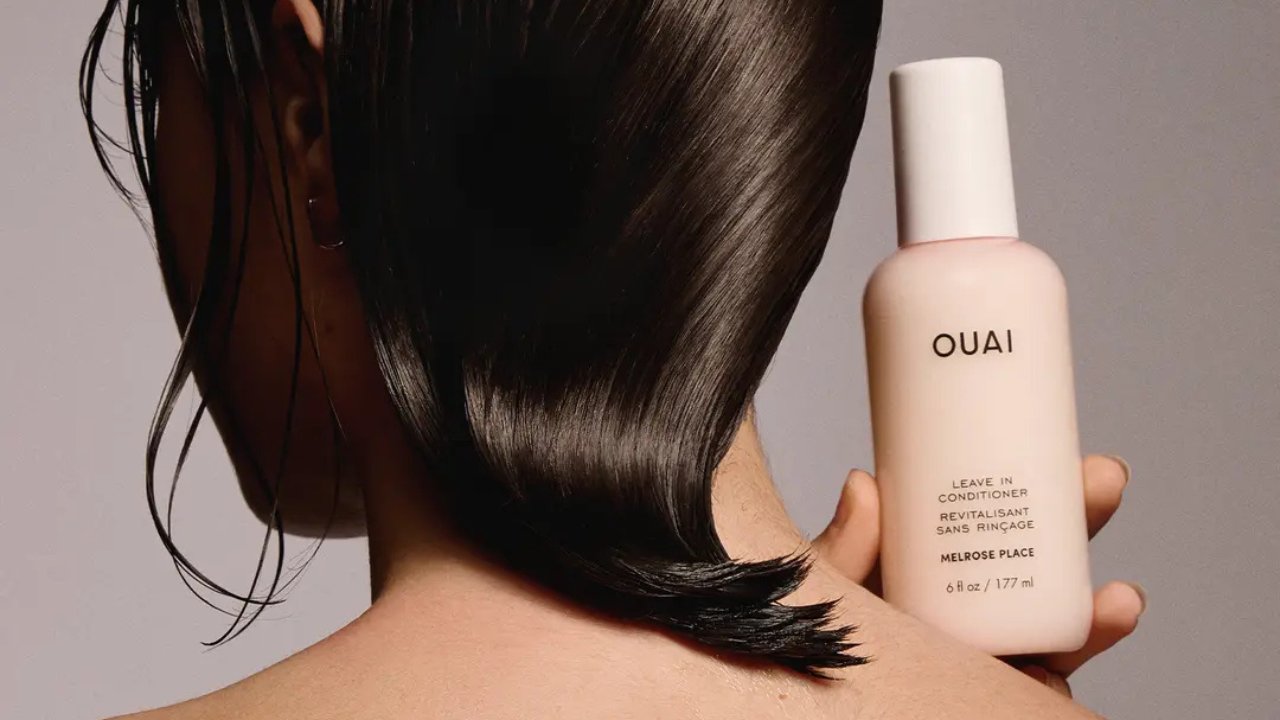
The global prestige hair care market is projected to reach $6.1 billion by 2028, compounding at a 5.8% CAGR, and Ouai's reimagined Leave-In Conditioner, released July 2026, is not simply a product refresh. It is a deliberate signal, sent at a moment when prestige brands across every tier are auditing their core lines and making calculated decisions about where they stand in an increasingly stratified market. The move reflects a broader portfolio reset logic that is reshaping how brands calibrate product architecture, distribution footprint, and long-term channel mix.
A Portfolio Reset, Not a Product Iteration
What distinguishes a portfolio reset from a standard reformulation is intentionality at the brand architecture level. Ouai, acquired by Procter and Gamble in 2021 in a deal that gave the conglomerate a direct foothold in the digitally native prestige hair segment, has since operated within a parent infrastructure that demands both scalability and margin discipline. The reimagined Leave-In Conditioner does not exist in isolation. It anchors a repositioning of the brand's hero SKU tier, signaling a commitment to premiumization at the product line's core rather than at its periphery through limited-edition extensions or collaborations.
Founder Jen Atkin built Ouai on the premise that professional-grade performance could coexist with accessible prestige retail placement. That founding logic now faces a more complex market context. The masstige corridor has tightened as mass retailers accelerate their own prestige incursion, and true prestige positioning requires more active maintenance than it did at launch.
Distribution Architecture as Strategic Signal
Distribution decisions are the clearest expression of a brand's positioning ambitions, and Ouai's architecture tells a precise story. Sephora and Ulta remain the brand's primary prestige anchors in North America, while international exposure through APAC and GCC markets positions the brand within the growth corridors that prestige hair care analysts are watching most closely. Both regions are outpacing the global CAGR for prestige hair, driven by rising disposable income, salon culture premiumization, and a documented consumer shift away from mass hair care toward performance-led alternatives.
A brand that resets a core product without simultaneously managing its distribution architecture risks diluting the signal entirely. The Leave-In Conditioner's repositioning only holds if the retail environment in which it sits reinforces the prestige narrative. Placement discipline, wholesale partner selection, and price corridor maintenance are as strategic as the formulation itself.
Premiumization Pressure Across the Competitive Set
Ouai is not operating in a vacuum. The prestige hair category is experiencing a structural premiumization wave that is pulling capital, shelf space, and consumer attention upward. Brands such as K18, Kérastase, and Olaplex, each occupying a distinct tier within the prestige and professional overlap, have forced the conversation about what premium performance actually means at the ingredient and efficacy level. The reformulation arms race has raised consumer expectations and, consequently, raised the baseline that any prestige brand must clear to justify its price positioning.
For P and G's portfolio strategy, Ouai's reset serves a dual function. It defends existing prestige market share against erosion from below, where masstige competitors are closing the perceived efficacy gap, and it creates renewed justification for the brand's price point in a retail environment where consumers are increasingly demanding substantiation. Ingredient transparency, clinical-adjacent claims, and sensorial differentiation are no longer differentiators. They are table stakes.
What Brand Managers and Investors Should Watch
The $6.1 billion projection for prestige hair care by 2028 is not a passive forecast. It is a competitive map that identifies where margin pools are forming and where brand equity is being built or eroded in real time. Brands that treat core SKU reformulation as a marketing cycle rather than a strategic lever will find themselves losing ground to those that approach it as portfolio architecture.
The actionable read for brand managers is straightforward: core line resets must be synchronized with distribution architecture reviews, not executed in isolation. Price corridor discipline, retailer partner alignment, and channel mix strategy need to move together. For investors and M&A teams evaluating prestige hair assets, Ouai's repositioning offers a case study in how a digitally native brand inside a corporate parent can execute a prestige reset without abandoning the brand identity that made it acquisible in the first place.
The brands that capture disproportionate share of the prestige hair category through 2028 will be those that commit to the full system, not just the reformulation.
This article references and builds on original reporting by Beauty Packaging. Read the original piece here: https://www.beautypackaging.com/breaking-news/ouai-launches-reimagined-leave-in-conditioner-in-new-packaging/. BeautyScale is a commercial agency; our editorial notes are commentary on industry reporting.
Rayane Mahmoud
Beauty market analyst covering trends, brands, and distribution shifts.