Gucci's $44B Parent Rewrote the Luxury Playbook: What Kering's L'Oréal Deal Means

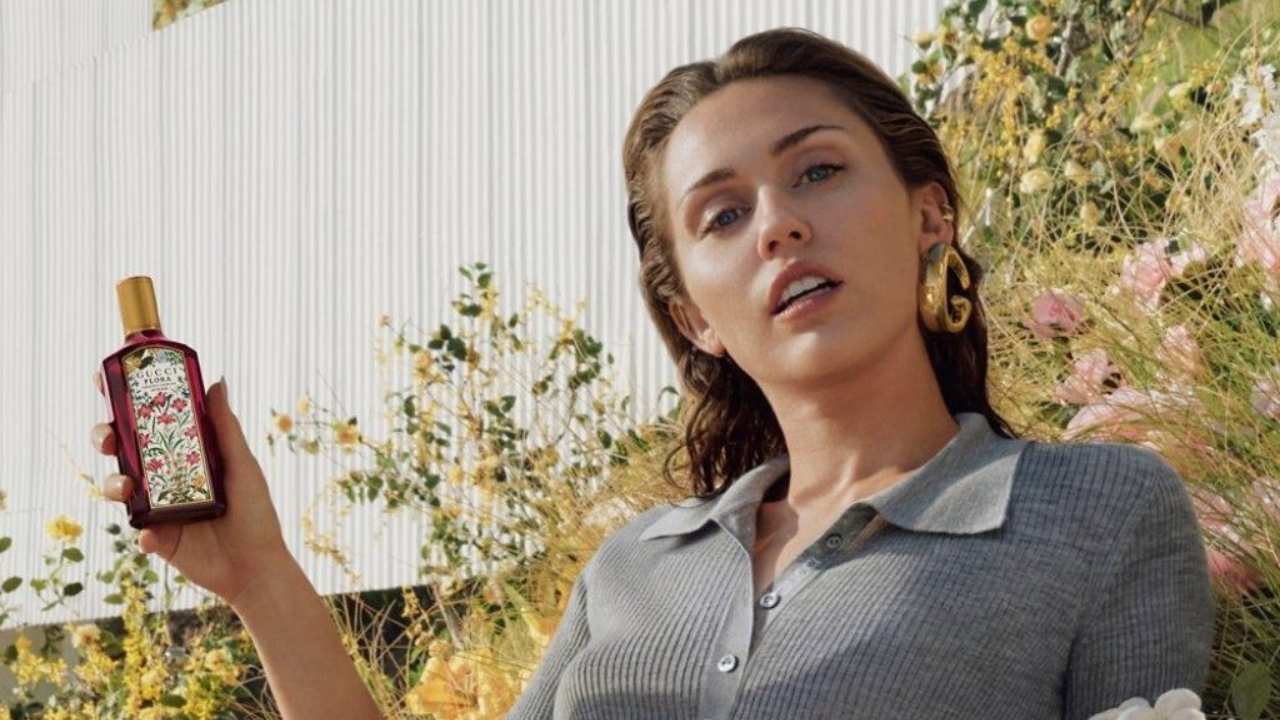
L'Oréal Luxe generated an estimated 15 billion euros in divisional revenue in 2025, anchoring a group portfolio that reached 44.05 billion euros across all categories and geographies. Against that backdrop, the July 7 announcement of a fifty-year exclusive worldwide beauty licence for the Gucci brand represents one of the most structurally significant prestige repositioning moves in recent memory. The deal, effective July 1, 2027, pending regulatory approvals, terminates Coty's existing Gucci Beauty arrangement ahead of schedule and transfers stewardship to the world's largest beauty group. This is not merely a licence transfer. It is a deliberate portfolio reset at the intersection of fashion-house fragrance, global distribution architecture, and long-cycle brand equity compounding.
A Fifty-Year Horizon Signals Infrastructure Ambition, Not Just Brand Acquisition
Licence agreements in the prestige beauty sector typically run ten to fifteen years, with renewal optionality built around performance milestones. A fifty-year term is structurally anomalous, and that anomaly is the point. L'Oréal CEO Nicolas Hieronimus described the arrangement as "a significant additional growth engine," language that points toward capital expenditure commitments, dedicated R&D pipelines, and distribution architecture investments that only make financial sense across multi-decade timeframes. Cyril Chapuy, President of L'Oréal Luxe, signaled the ambition explicitly, referencing "a new multi-billion-euro house." For brand managers and retail buyers evaluating shelf strategy through 2030 and beyond, that phrasing carries planning implications that a standard licence renewal would not.
Coty's Exit Creates a Competitive Redistribution Across Prestige Fragrance
Coty's early redemption of the Gucci Beauty licence does not occur in a vacuum. The company has spent the past three years executing its own portfolio reset, divesting mass-market assets and concentrating investment in prestige fragrance through brands including Burberry Beauty and Hugo Boss. Losing Gucci, consistently one of the strongest Italian fashion-house fragrance identifiers in EMEA and growing across APAC, materially reshapes Coty's prestige revenue composition. For L'Oréal, the acquisition of this licence accelerates a consolidation logic already visible in its management of Yves Saint Laurent Beauté, Valentino Beauty, and Prada Beauty within the Luxe division. The fragrance category, projected to sustain a CAGR above 5.5 percent through 2028 according to multiple industry forecasts, rewards scale in product development and distribution architecture more than almost any other beauty segment.
Distribution Architecture Is Where This Deal Gets Decided
The competitive advantage L'Oréal brings to Gucci Beauty is not primarily creative. It is operational. L'Oréal's distribution architecture spans ecommerce, department store, perfumery, and travel retail channels simultaneously, with regional execution capabilities across GCC, MENA, APAC, and the Americas that independent licensees cannot replicate at comparable cost or speed. Travel retail, in particular, remains the highest-index channel for prestige fragrance premiumization, and L'Oréal's existing relationships with Dufry, DFS, and regional travel retail operators position Gucci Beauty for shelf priority and launch velocity that Coty, managing a broader and more diffuse portfolio, would have found increasingly difficult to sustain. The transition period running through July 2027 will be critical. Kering and L'Oréal have committed to a structured handover framework designed to maintain business continuity, and the quality of that execution will shape retail partner confidence heading into the first L'Oréal-led Gucci Beauty launch cycle.
The Kering-L'Oréal Alliance Is a Strategic Architecture Play, Not a One-Off
This licence agreement formalizes a broader strategic alliance announced in October 2025 between Kering and L'Oréal, a pairing that positions both groups to approach beauty licensing and brand development as a coordinated system rather than a transactional arrangement. Kering's fashion portfolio, which includes Bottega Veneta, Balenciaga, and Saint Laurent, represents a significant pipeline of potential future beauty licensing activity. L'Oréal, for its part, benefits from association with fashion-forward prestige positioning at a moment when the masstige segment is eroding mid-market fragrance volumes and pushing consumers toward either accessible entry-level formats or clearly differentiated luxury experiences.
The forward trajectory here is quantifiable. If Gucci Beauty reaches a steady-state revenue contribution in the range of 1 to 1.5 billion euros annually within the first decade of L'Oréal management, consistent with comparable fashion-house fragrance portfolios at scale, the fifty-year structure transforms from a headline curiosity into a foundational asset. The brands that will feel this most are those competing for prestige fragrance shelf space without the distribution infrastructure depth to match. The Gucci Beauty transition is not just a deal. It is a structural signal about where the prestige category is consolidating and who controls the architecture of its next growth phase.
This article references and builds on original reporting by L'Oréal for L'Oréal. Read the original piece here: https://www.loreal.com/en/press-release/group/l-oreal-enters-a-50-year-exclusive-worldwide-beauty-licence-with-kering--for-the-gucci-brand/. BeautyScale is a commercial agency; our editorial notes are commentary on industry reporting.
Rami Al Ariss
Beauty market analyst covering trends, brands, and distribution shifts.