How Rare Beauty Built a Global Distribution Network in 18 Months

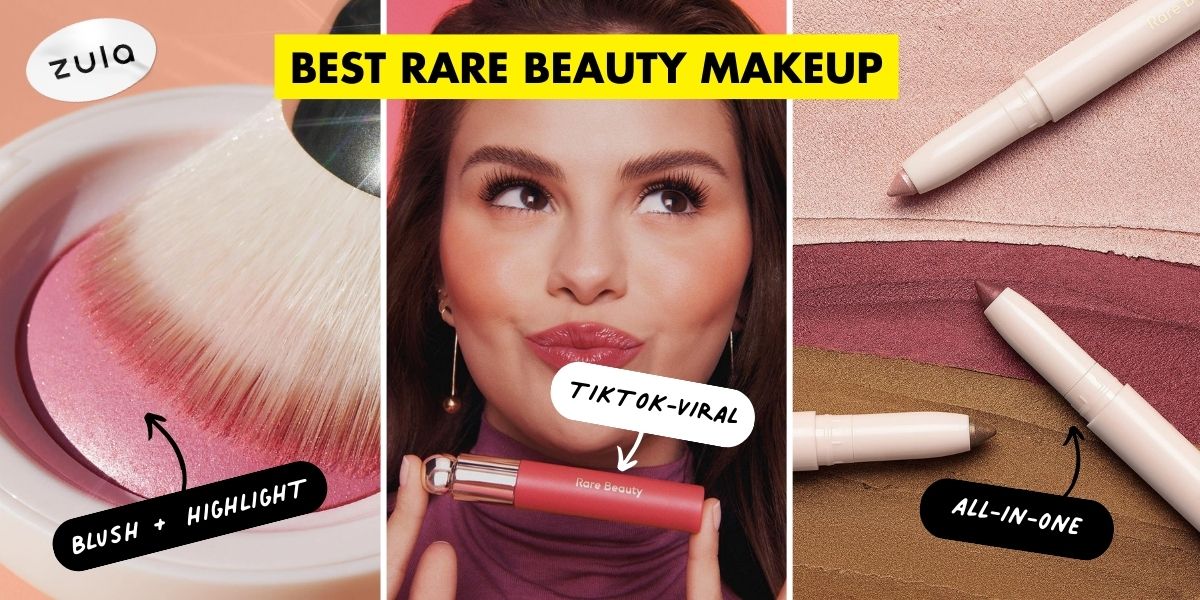
Rare Beauty's foundation was fundamentally different from typical celebrity beauty launches. Unlike past celebrity brands that relied heavily on novelty and founder recognition, Rare Beauty launched with a distinct brand purpose—mental health advocacy and self-acceptance messaging that resonated globally. This positioning immediately elevated the brand beyond typical "celebrity vanity project" territory and attracted beauty retailers and consumers who took the brand seriously as a values-driven company rather than a fleeting celebrity vehicle.
Additionally, founder Selena Gomez brought unparalleled social media influence. At launch, she commanded approximately 380 million followers across Instagram, TikTok, and other platforms. This organic audience represented a built-in distribution channel that traditional beauty brands required years of marketing budgets to develop. Rare Beauty could announce product launches, discuss brand philosophy, and build community directly without dependency on traditional media placements or influencer partnerships.
The Direct Retailer Strategy
Rather than pursuing exclusive department store partnerships (the traditional celebrity brand strategy), Rare Beauty approached multiple retail categories simultaneously. The brand secured agreements with Sephora—providing access to the industry's largest specialty beauty retail network—while simultaneously pursuing standalone boutique partnerships, digital-first retailers, and international distributors. This multi-channel approach created redundancy that reduced dependency on any single retail partner while maximizing market penetration.
"Rare Beauty's willingness to work with mid-tier retailers and non-traditional beauty channels accelerated their distribution timeline by approximately three years compared to historically typical celebrity brands."
Industry ExpertSephora placement was critical, but Rare Beauty didn't stop there. The brand also established direct relationships with regional distributors in European, Asian, and Middle Eastern markets, enabling rapid market entry without the multi-quarter negotiation timelines that characterized traditional beauty distribution. By working with local partners who understood regional retail dynamics, consumer preferences, and regulatory requirements, Rare Beauty avoided the costly trial-and-error cycle that typically delays international brand expansion.
The brand secured agreements with Sephora—providing access to the industry's largest specialty beauty retail network—while simultaneously pursuing standalone boutique partnerships, digital-first retailers, and international distributors.
Digital Distribution as Primary Channel
Approximately 45% of Rare Beauty's initial growth came through direct-to-consumer digital channels—Sephora.com, the brand's own website, and other online retailers. This heavy digital emphasis served multiple strategic purposes. First, it enabled rapid inventory scaling without building physical retail infrastructure. Second, it provided direct consumer feedback on product performance, preferences, and brand messaging. Third, it created flexibility to adjust product assortments and supply chains in response to demand without being constrained by physical retail store-set inventory.
The brand also pioneered social commerce integration, enabling Instagram and TikTok users to purchase products without leaving social platforms. This approach recognized that younger consumers (Rare Beauty's core demographic) discover and research products primarily through social media. By enabling frictionless purchase pathways directly from discovery platforms, Rare Beauty converted social media engagement into actual sales significantly more efficiently than brands requiring users to navigate to external retail websites.
Regional Adaptation Without Over-Localization
Rare Beauty's global playbook involved maintaining core brand identity while adapting strategically to regional preferences. Rather than creating separate product assortments for each market, the brand maintained consistent product formulations and global brand messaging while adjusting shade ranges, packaging, and marketing creative to reflect regional beauty standards and preferences. This approach required less complexity than pure localization while avoiding the alienation caused by forcing Western-centric products into non-Western markets.
"Rare Beauty recognized that Gen Z consumers globally want the same brand ethos—authenticity, mental health advocacy, self-acceptance—regardless of geography. The execution just needed cultural translation."
Industry ExpertFounder-Led Community Building
Selena Gomez's personal engagement in brand building created customer loyalty that traditional beauty brands struggle to achieve. Rather than delegating brand representation to hired spokespeople or influencers, Gomez remained the visible face of brand values, shared personal experiences with the brand, and engaged directly with customers through social media. This authenticity created emotional connection and brand loyalty that transcended typical celebrity brand relationships.
Rather than delegating brand representation to hired spokespeople or influencers, Gomez remained the visible face of brand values, shared personal experiences with the brand, and engaged directly with customers through social media.
The brand also fostered community through mental health initiatives and charitable partnerships that reinforced brand purpose. A portion of Rare Beauty sales supporting mental health organizations meant that purchasing the brand became an expression of values rather than purely a cosmetic transaction. This community aspect accelerated word-of-mouth distribution and created emotional investment in the brand's success—particularly among younger consumers who prioritize values alignment in brand selection.
Supply Chain Agility
Rare Beauty's distribution speed also benefited from flexible manufacturing partnerships. Rather than building vertically integrated manufacturing or committing to long-term exclusive supplier relationships, the brand worked with contract manufacturers capable of handling multiple global orders simultaneously. This flexibility enabled rapid scaling when demand exceeded projections while avoiding overproduction costs if sales underperformed.
The brand also leveraged advanced supply chain management, enabling rapid inventory distribution to key markets in response to demand signals. Real-time analytics about which products and shades were selling fastest in which markets allowed Rare Beauty to optimize inventory allocation, ensuring product availability in high-demand regions while minimizing overstock in slower-moving markets.
Challenges and Long-Term Implications
Despite its success, Rare Beauty's rapid growth also created challenges. Supply chain constraints, regulatory complexity across diverse markets, and maintaining brand quality across multiple manufacturing partners created operational complexity. Additionally, the brand faced skepticism from retailers and consumers in markets where celebrity brands carried lower credibility, requiring additional marketing and brand-building investment.
The long-term implication for the beauty industry is clear: the traditional distribution timeline that required 5-7 years to achieve global presence is no longer inevitable. Brands with strong founder credibility, clear brand purpose, substantial digital followings, and willingness to pursue non-traditional distribution partnerships can collapse timelines dramatically. This acceleration puts pressure on traditional retailers and distributors to innovate, as direct-to-consumer and digital-first brands increasingly bypass established gatekeepers.
Nya Ravel
Beauty market analyst covering trends, brands, and distribution shifts.