How Drunk Elephant Conquered Asia

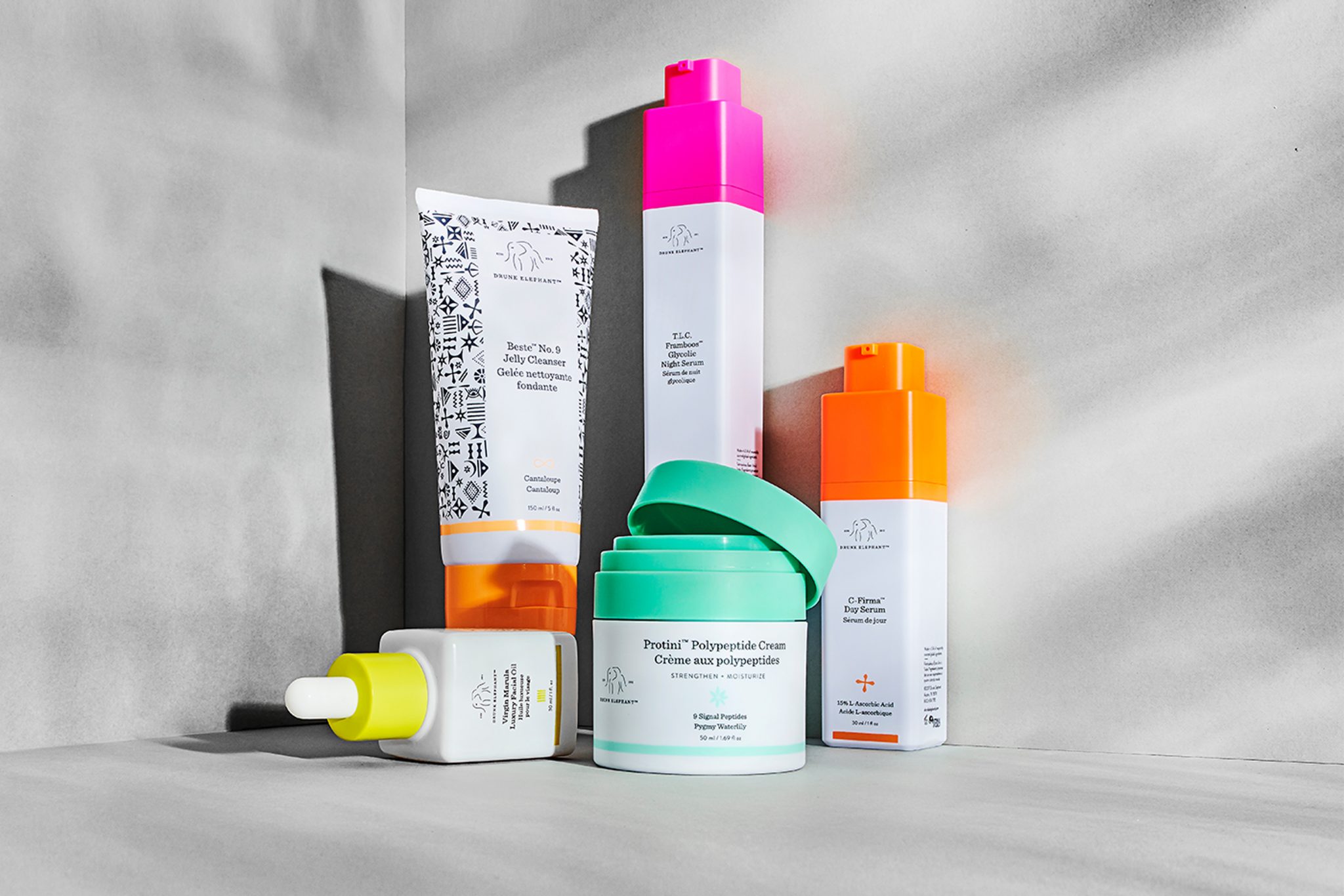
Drunk Elephant's Asian success is inseparable from its 2019 acquisition by LVMH, which provided access to distribution infrastructure, fulfillment capabilities, and market relationships that independent brands cannot access. LVMH operates sophisticated e-commerce platforms across Asian markets, warehousing and logistics networks, and established relationships with specialty retailers and luxury distributors in every major Asian market. For Drunk Elephant, this infrastructure meant immediate ability to launch digital commerce without building regional fulfillment infrastructure from scratch.
Critically, LVMH ownership enabled Drunk Elephant to launch in Asia without requiring traditional department store relationships. Luxury retailers like Sephora and specialty beauty retailers that might require 6-12 months of negotiation become accessible through LVMH's existing relationships. Additionally, LVMH provided capital for marketing and brand development—assets that independent brands must fund through slower venture capital rounds or reinvested revenue.
Hyper-Local Content and Influencer Strategy
Rather than applying Western marketing approaches to Asian markets, Drunk Elephant invested heavily in understanding regional beauty preferences and creating authentically regional content. The brand did not simply translate English marketing into local languages but rather developed entire content strategies reflecting local beauty aesthetics, skin concerns, and usage patterns. This localization extended to product selection, with Asian-market assortments emphasizing sun protection, hydration, and lightweight textures—distinct from Western assortments.
"Drunk Elephant's success came from respecting Asian markets as distinct requiring authentic regional strategy, not treating Asia as secondary Western market extension."
Industry ExpertThe brand invested heavily in regional influencer partnerships, particularly micro-influencers (50,000-500,000 followers) with strong beauty community engagement. Rather than pursuing mega-influencers with millions of followers but less beauty-focused audiences, Drunk Elephant partnered with creators who understood regional beauty preferences and community dynamics. These partnerships generated authentic endorsements that resonated with local audiences far more effectively than celebrity partnerships would have.
With sophisticated digital infrastructure, effective regional marketing strategies, and strategic physical retail partnerships, brands can build substantial businesses entirely or primarily through digital channels.
Digital Commerce as Primary Channel
Drunk Elephant's Asian distribution strategy prioritized digital commerce from launch. The brand established presence on Lazada, Shopee (Southeast Asia's largest e-commerce platforms), and regional luxury platforms, while simultaneously building owned digital channels. This multi-platform approach provided visibility through marketplace discovery while maintaining brand control and data capture through owned channels. E-commerce represented approximately 85% of initial Asian sales, with specialty retail and selective luxury retail capturing remaining 15%.
The digital strategy proved particularly effective because it eliminated need for physical retail footprint while reaching precisely targeted consumers. Marketplace platforms' algorithm-driven discovery and customer review systems drove awareness and trial. Additionally, marketplace customers—typically younger, digitally-native, internet-savvy—aligned perfectly with Drunk Elephant's brand positioning and consumer profile.
Selective Physical Retail Strategy
While primarily digital, Drunk Elephant complemented online distribution with carefully selected physical retail partnerships. The brand partnered with luxury beauty specialists and Sephora (through LVMH relationships) rather than pursuing broad department store distribution. This selective approach provided credibility and awareness generation without requiring the investment and management complexity associated with broad retail distribution.
Physical retail served distinct strategic purpose in Asian markets compared to Western approaches. Rather than generating majority sales volume, Asian physical retail served as brand validation and awareness driver. Consumers discovered products online, researched through influencer content, and purchased through digital channels. Physical retail locations provided touchpoint for consumers wanting to try products before purchase and awareness reinforcement through in-store experience.
Regional Adaptation Without Reformulation
Drunk Elephant maintained consistent product formulations across markets but adapted packaging, messaging, and assortment selection to regional preferences. Products emphasizing sun protection, lightweight textures, and fast-absorbing formulations received greater shelf space and marketing investment in Asian markets compared to Western locations. This strategic assortment management required minimal reformulation investment while addressing regional consumer preferences effectively.
This participatory approach made regional customers feel invested in brand success and reflected authentic brand commitment to understanding regional preferences rather than imposing Western-developed offerings.
"Regional adaptation doesn't require entirely new formulations. Strategic assortment selection and localized messaging solve market-specific needs at fraction of reformulation cost."
Industry ExpertCommunity Building and Brand Advocacy
Drunk Elephant's Asian strategy emphasized community building and customer advocacy. The brand developed active social media communities in each Asian market, hosting virtual beauty consultations, sharing skincare education, and engaging directly with customers. This community-first approach built emotional connection and brand loyalty that transcended transactional purchase behavior. Customers who felt part of Drunk Elephant community became brand advocates, driving word-of-mouth acquisition that reduced customer acquisition costs below typical paid marketing models.
Additionally, the brand solicited customer feedback and incorporated regional preferences into product assortment decisions. This participatory approach made regional customers feel invested in brand success and reflected authentic brand commitment to understanding regional preferences rather than imposing Western-developed offerings.
Pricing Strategy and Margin Management
Drunk Elephant's Asian pricing reflects regional consumer behavior and competitive dynamics. Rather than applying Western premium pricing, the brand positioned products at 15-25% premium to regional K-Beauty and local brands while remaining below ultra-luxury European brands. This positioning makes products aspirational without alienating price-conscious consumers and maintains healthy margins supporting ongoing marketing investment and retail partnerships.
Lessons for Beauty Brand Internationalization
Drunk Elephant's Asian success demonstrates that brands no longer require traditional physical retail expansion to achieve meaningful market presence. With sophisticated digital infrastructure, effective regional marketing strategies, and strategic physical retail partnerships, brands can build substantial businesses entirely or primarily through digital channels. This approach reduces capital requirements, accelerates market entry, and enables rapid scaling compared to traditional retail-dependent strategies.
However, Drunk Elephant's success also reveals the importance of LVMH ownership. Independent brands attempting similar strategies face significant disadvantages regarding fulfillment infrastructure, capital for marketing, and relationships enabling selective retail partnerships. The brand's parent company status was not incidental to success but rather foundational to executing sophisticated multi-market digital-first strategy.
Martin Jacob
Beauty market analyst covering trends, brands, and distribution shifts.