Prestige Haircare's $7B Inflection Point: Why Distribution Architecture Is Now the Category's Defining Competitive Variable
Prestige haircare generated 10% dollar growth in Q1 2026, outpacing fragrance at 7%, skincare at 7%, and makeup at 2%, according to Circana data — marking the category's formal ascension as prestige beauty's most structurally durable growth engine. That trajectory is not incidental. It reflects a convergence of demographic tailwinds, treatment-led premiumization, and a distribution logic that is materially different from every adjacent category. For brand managers, investors, and retail strategists, the implications extend well beyond category ranking: prestige haircare is now a reorganizing force across portfolio construction, M&A targeting, and channel investment.
The Treatment Boom Is a Margin Story, Not Just a Trend Signal
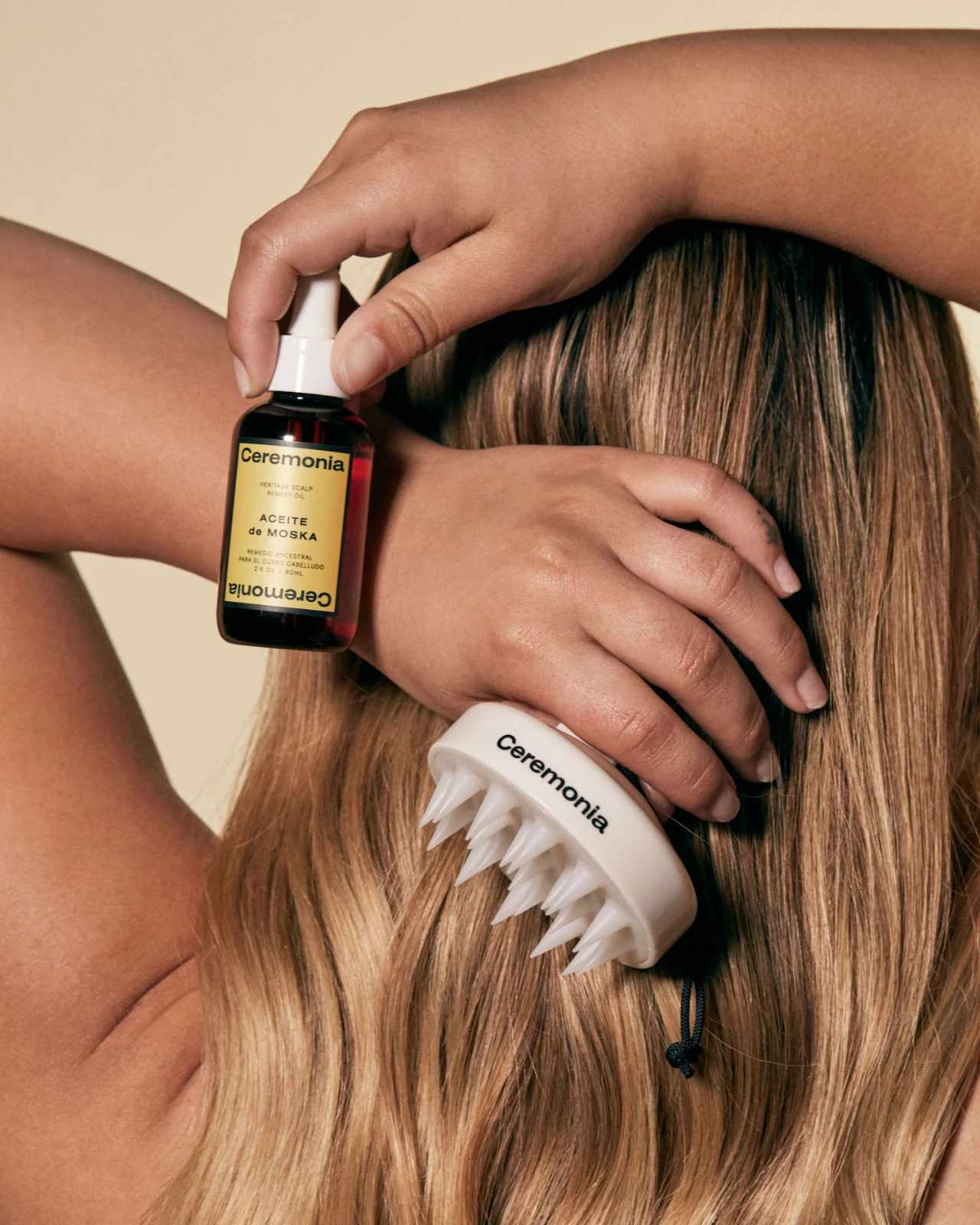
Scalp care and bond repair treatments posted high double-digit growth in Q1 2026, and new treatment launches more than doubled year-over-year. The strategic read here is not simply consumer demand — it is the margin architecture that treatments enable relative to commodity haircare basics. Shampoo and conditioner, which declined in 2025 before returning to modest growth in early 2026, carry structurally compressed margins in both mass and prestige channels. Treatments, by contrast, support premium price points, reduced unit volume sensitivity, and stronger repeat-purchase behavior anchored in perceived efficacy. Brands engineering their portfolio reset around treatment leadership — scalp microbiome formulas, in-shower bond repair masks, targeted restoration serums — are positioning for higher lifetime value per consumer and stronger gross margin profiles, precisely the metrics that attract strategic acquirers.
Brands scaling presence across Sephora, Ulta Beauty, and Amazon simultaneously are not simply expanding reach — they are capturing a structurally distinct consumer segment whose prestige engagement is contingent on accessibility.
Salon Authority Remains the Prestige Gateway, But Celebrity Is Compressing the Gap
Salon-affiliated brands represent approximately 70% of prestige haircare by volume, a dominance Circana's Larissa Jensen, SVP and Global Beauty Industry Advisor, frames as part of a broader authority-driven purchasing thesis playing out across every prestige beauty segment. The pattern — salon brands in hair, makeup-artist brands in cosmetics, clinician brands in skincare — is not coincidental. It signals that prestige consumers are purchasing credentialed expertise, not aesthetics. That dynamic has critical implications for brand-building and M&A due diligence: a brand without a defensible authority narrative faces structural ceiling risk in prestige haircare regardless of formulation quality. Celebrity haircare, while doubling in sales volume, represents only 3% of the category — meaningful acceleration, but insufficient scale to challenge salon-led dominance in the near term. The more interesting strategic question is whether celebrity haircare brands pursue salon credentialing partnerships or editorial authority-building as their path to prestige legitimacy at scale.
Distribution Architecture Is the Underrated Growth Driver
A finding from Circana's consumer survey data deserves significantly more attention from strategists than it has received: one-third of prestige haircare buyers report purchasing the brands they find easiest to access. That convenience premium is more pronounced in haircare than in fragrance, makeup, or skincare — categories where discovery-driven behavior and brand loyalty sustain more friction-tolerant purchasing journeys. This repositions distribution architecture as a first-order competitive variable in prestige haircare, not a downstream operational consideration. Brands scaling presence across Sephora, Ulta Beauty, and Amazon simultaneously are not simply expanding reach — they are capturing a structurally distinct consumer segment whose prestige engagement is contingent on accessibility. For investors evaluating haircare assets, omnichannel distribution breadth now belongs in the same analytical tier as brand equity and SKU velocity.
The brands — and investors — who recognize that haircare's prestige growth is structurally unlike any prior beauty category expansion will be best positioned to capitalize on what Circana's data now confirms: this is not a trend.
GLP-1 Tailwinds and the Masstige Cross-Shopping Opportunity
Two emerging demand vectors will shape the category's next growth phase. GLP-1 medication users already over-index in prestige haircare, driven largely by hair-thinning concerns associated with rapid weight loss. As GLP-1 formats become more accessible and price points decline, the addressable consumer base for targeted thinning and restoration products will expand materially — creating a product development and positioning opportunity that the category has not yet fully operationalized. Separately, the cross-shopping dynamic — 80% of haircare consumers mix prestige and mass products within a single routine — defines the masstige opportunity with unusual precision: treatment and scalp-care SKUs are the upgrade trigger, not the full-routine conversion. Brands that architect their portfolio and channel strategy around that specific entry point, rather than pursuing full-routine displacement, will capture share more efficiently and build the kind of repeat-purchase infrastructure that supports durable topline growth.
Prestige haircare is entering a phase where distribution intelligence, authority positioning, and treatment-led portfolio construction will separate the category's compounders from its one-cycle stories. The brands — and investors — who recognize that haircare's prestige growth is structurally unlike any prior beauty category expansion will be best positioned to capitalize on what Circana's data now confirms: this is not a trend. It is a category reset.