Wild x LoveShackFancy: How a $1.8B Sustainable Personal Care Market Is Being Unlocked Through Lifestyle Collaboration

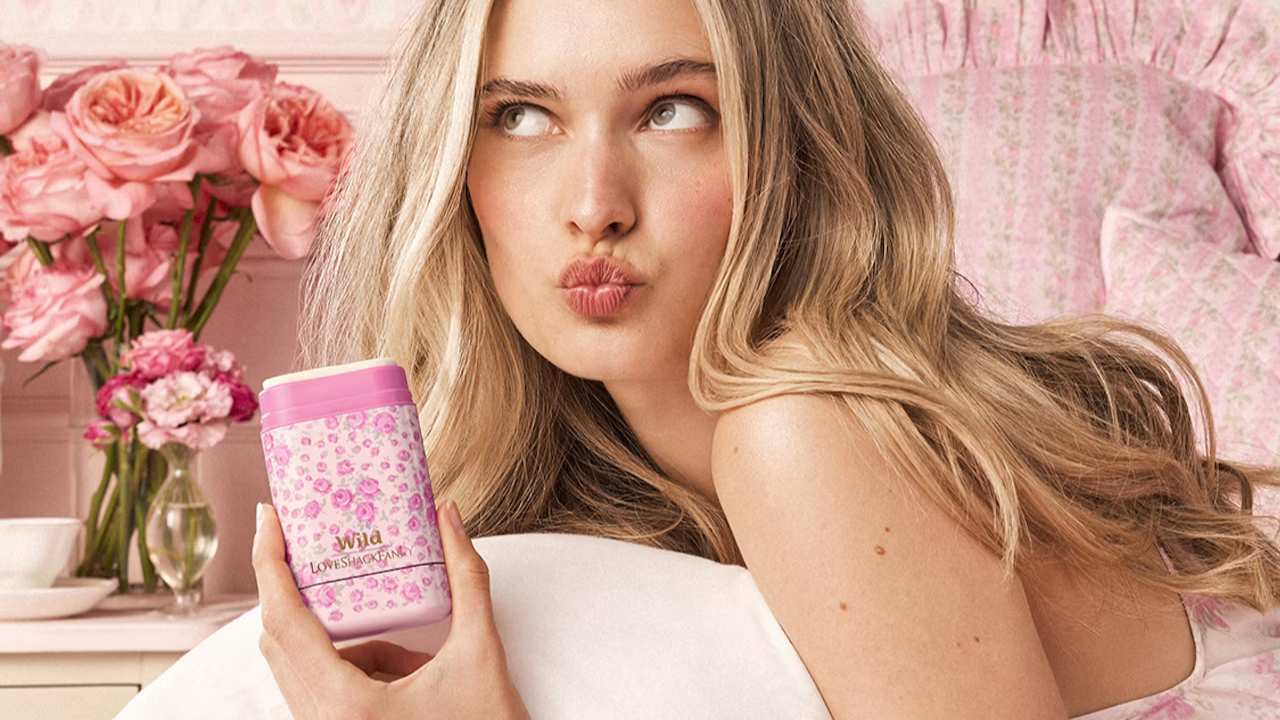
The global sustainable personal care market is projected to reach $1.8 billion by 2027, growing at a CAGR of 6.4%, yet penetration among prestige-adjacent consumers remains stubbornly shallow. Wild, the UK-based refillable personal care brand, is executing a deliberate portfolio reset with its July 2026 LoveShackFancy collaboration, embedding lifestyle brand equity into a category historically defined by clinical efficacy claims. The move signals something more consequential than a limited-edition product drop. It is a calculated repositioning of Wild's distribution architecture and brand ceiling, targeting a consumer segment that shops Net-a-Porter as readily as it shops Boots.
Collaboration as Prestige Positioning, Not Promotional Noise
LoveShackFancy, the New York-founded lifestyle label built on hyper-feminine florals and a loyal global following, carries brand valuation momentum that most personal care brands cannot generate organically. Its aesthetic identity, anchored in vintage prints and garden-party romanticism, maps directly onto the aspirational bathroom retail environment that masstige personal care brands have spent years trying to engineer. Wild is borrowing that equity efficiently. Rather than investing in above-the-line campaigns to shift perception, the brand is using LoveShackFancy's existing visual authority to signal premiumization at the point of display, the vanity top rather than the retail shelf.
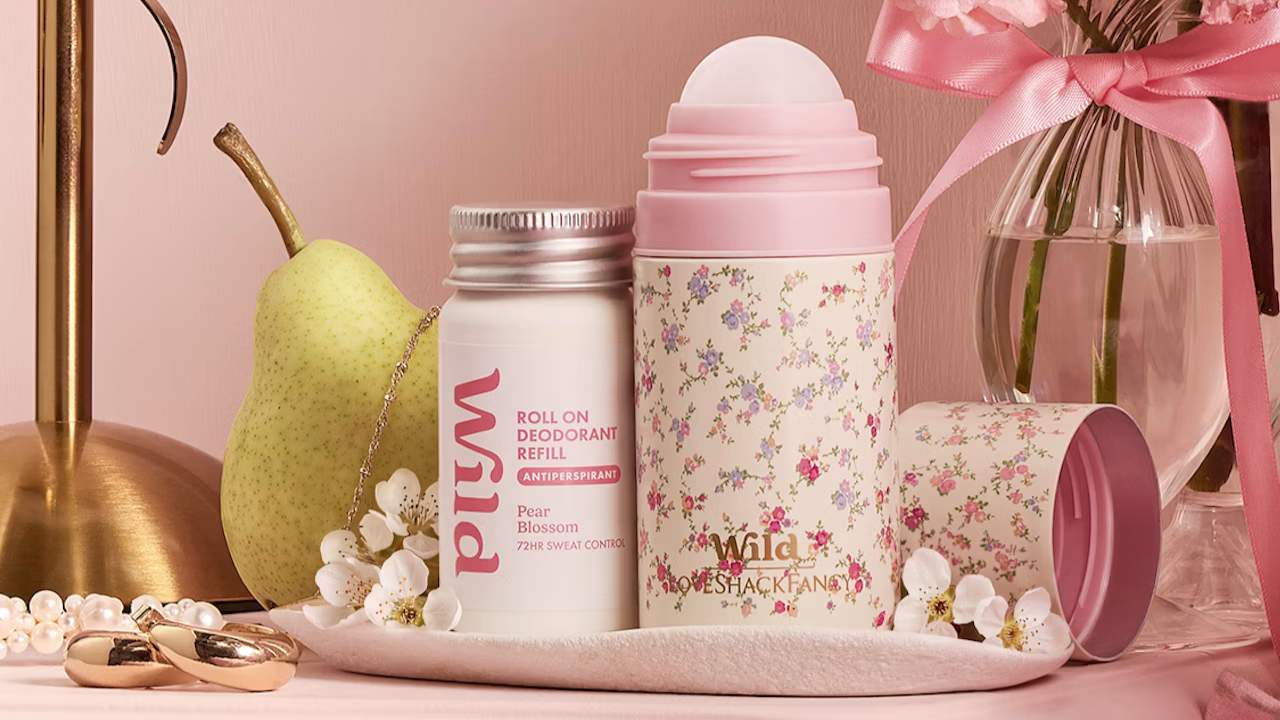
The four-print lineup (Rosa Beaux, Everblooming Rosettes, Rose Hearts Sunrise, and Patchwork) covers the refillable deodorant case, body wash, and lip balm SKUs. This is not a single-SKU novelty. It is a full personal care routine play designed to drive average order value and retain the consumer within the Wild ecosystem across multiple replenishment cycles.
Refillability as a Distribution Moat
Wild's refillable case model creates a structural distribution advantage that traditional personal care brands cannot easily replicate. Once a consumer acquires a LoveShackFancy-branded case, every subsequent refill purchase is a direct-to-consumer transaction locked to Wild's platform. The collaboration effectively functions as a customer acquisition vehicle with embedded retention mechanics. For investors evaluating Wild's unit economics, the lifetime value calculation is materially different from a single-use deodorant brand competing on shelf at Superdrug.
This architecture also positions Wild favorably in any future M&A conversation. Strategic consolidation in the sustainable personal care space is accelerating, with conglomerates including Unilever and L'Oreal actively scanning for brands that combine defensible IP with recurring revenue models. A documented history of high-profile lifestyle collaborations, including prior partnerships with Emma Bridgewater, CoppaFeel, and Choose Love, demonstrates Wild's ability to activate culturally resonant brand partnerships at consistent volume, a capability acquirers price meaningfully.
The Masstige Channel Tension Worth Watching
Wild occupies a deliberately ambiguous position in the channel hierarchy. Its price points and DTC-first model place it above mass, but its retail footprint in Boots and Waitrose keeps it accessible at volumes that prestige beauty cannot match. The LoveShackFancy partnership pressures that positioning in productive ways. LoveShackFancy's consumer is demonstrably more affluent and more globally distributed, with strong affinity in the US Northeast, the UK, and selective APAC markets. If Wild activates this collaboration through LoveShackFancy's own retail and e-commerce surfaces, the brand unlocks distribution doors that its current channel mix does not reach.
The risk, familiar to any brand manager who has navigated a masstige positioning, is dilution. If the collaboration is too broadly distributed, it loses the prestige signal it is designed to generate. Wild's partnership history suggests the brand is comfortable operating limited-run drops with defined scarcity windows, a discipline that preserves perceived value and drives urgency without permanently repositioning the core product line.
Forward Velocity: What This Signals for 2026 and Beyond
The July 2026 launch timeline is notable. Wild is entering the second half of a fiscal year in which sustainable beauty is competing for share of wallet against a softening UK consumer environment and rising formulation costs. Anchoring a high-visibility collaboration to that window suggests the brand is using the LoveShackFancy halo to defend full-price sell-through rather than discount into volume.
Brands watching this space should take note: lifestyle brand collaboration is becoming a primary lever for premiumization in refillable personal care, not a secondary marketing tactic. The brands that build repeatable collaboration infrastructure now, complete with co-branded retail moments, shared audience data, and scarcity-managed drops, will control the prestige positioning architecture of this category by 2028. Wild is building that infrastructure in plain sight.
This article references and builds on original reporting by wearewild.com. Read the original piece here: https://wearewild.com/b/loveshackfancy-launch?srsltid=AfmBOooV6SMynTva6XtRHgPdflSOkXi5ufKrs4oeKf1fYHB4ShF3sZ9L. BeautyScale is a commercial agency; our editorial notes are commentary on industry reporting.
Nya Ravel
Beauty market analyst covering trends, brands, and distribution shifts.