Unlocking Mass Beauty Distribution — How $0 Spend Turned Butter Bronzer into a Retail Giant

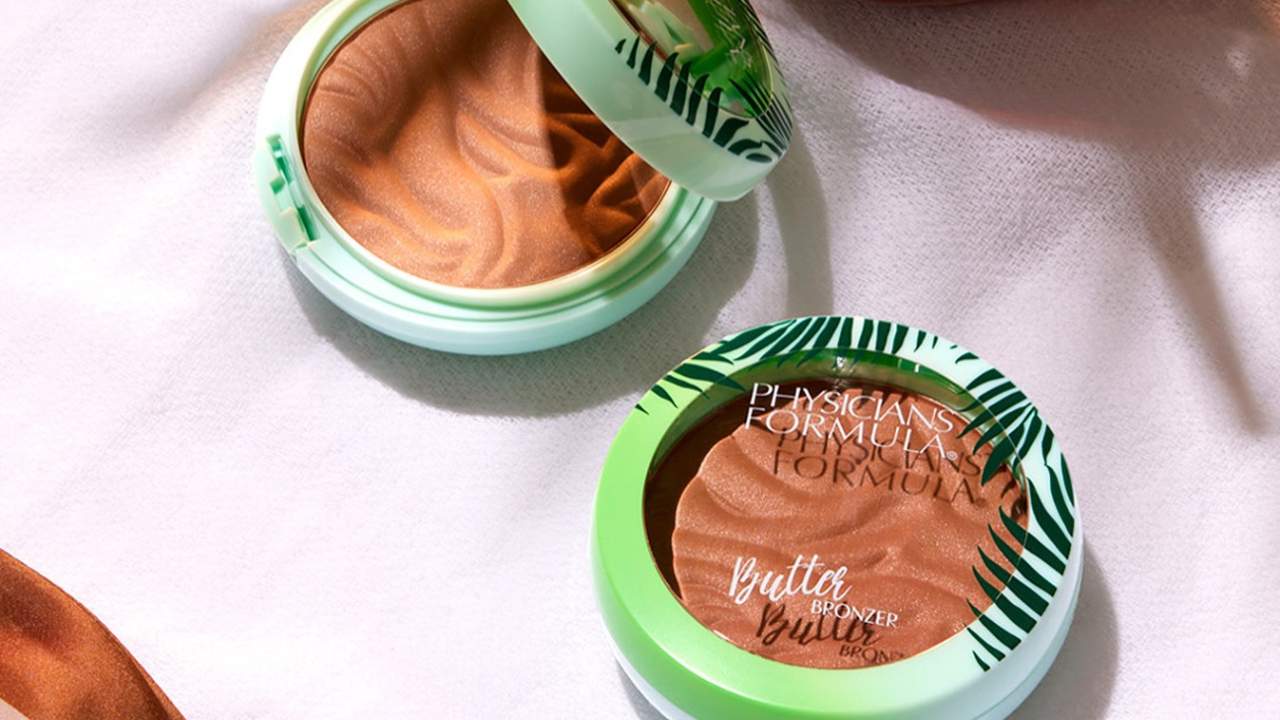
The U.S. mass cosmetics bronzer category crossed an estimated $420 million in retail sales in 2025, and a single SKU from a mid-tier portfolio brand commands the category's top position after a decade of uninterrupted commercial dominance. Physicians Formula's Butter Bronzer, launched in 2016 under Markwins Beauty Brands, has sold at a rate of one unit every 26 seconds in the U.S., a velocity metric that, annualized, places the product among the highest-turning color cosmetics items in the drug and mass channel. The ten-year anniversary campaign, anchored by the "You're a 10...with your ButterFace" creative concept and a limited-edition Jumbo SKU distributed exclusively through Ulta Beauty and Walmart on a staggered retail calendar, is less a nostalgia play than a strategically timed brand equity consolidation. For industry observers tracking portfolio architecture at Markwins, it signals something more structural: a masstige brand using a hero product to stabilize its retail footprint in a channel environment increasingly hostile to mid-tier positioning.
The Organic Endorsement Model as a Competitive Moat
Butter Bronzer's origin story is now effectively a case study in pre-algorithmic creator commerce. When Jaclyn Hill and Manny MUA produced early tutorial content around the product in 2016, neither creator partnership was a paid activation in the conventional sense. That organic credibility compounded over time as celebrity adjacency, including public association with Bella Hadid, Sofia Richie Grainge, and Dua Lipa, layered aspirational equity onto what remained a mass-price-point product. The structural implication here is significant: Physicians Formula achieved prestige positioning on a drugstore price architecture, effectively executing a premiumization strategy without altering its distribution channel or cost-of-goods profile. That is an exceptionally difficult outcome to engineer retroactively and nearly impossible to replicate in the current paid-media environment, where creator authenticity is priced into contracts and therefore discounted by consumers accordingly.
Distribution Architecture as Anniversary Strategy
The Jumbo SKU rollout is worth examining beyond its headline status. The sequenced exclusivity window, Ulta Beauty from July 12 through August 1, followed by Walmart from August 3 through August 31, reflects a distribution architecture decision that communicates brand hierarchy without repositioning the core product. Ulta Beauty's dual positioning as both a mass and prestige retailer makes it the optimal first window: it captures the beauty-engaged consumer segment while lending the limited edition a degree of specialty-retail credibility. The Walmart window that follows broadens reach to the brand's core demographic without diluting the launch narrative. This phased channel sequencing mirrors tactics more commonly associated with prestige or masstige launches and suggests Markwins product marketing has absorbed distribution strategy frameworks typically reserved for higher price-tier portfolios.
Markwins Portfolio Context: The M&A Backdrop
Markwins operates a portfolio of more than nine owned brands, including wet n wild, LORAC, and Black Radiance, across 60-plus countries and more than 50,000 retail outlets. As a privately held company founded by CEO Eric Chen, it lacks the public reporting obligations that would surface granular SKU-level economics. What the Butter Bronzer anniversary does surface, however, is the strategic weight a single product can carry within a diversified color cosmetics portfolio. For investors or acquirers conducting diligence on Markwins or comparable mid-market beauty conglomerates, the existence of a category-leading hero product with ten years of sustained sell-through and measurable social equity represents a meaningful valuation input. In an M&A environment where strategic consolidation has compressed multiples for undifferentiated mass brands, a demonstrably durable SKU functions as de-risking evidence for the broader portfolio thesis.
What Ten-Year Category Leadership Actually Signals
Alice Chen, CMO and Head of Corporate Communications at Markwins, framed the Butter Bronzer milestone accurately when she noted that category leadership sustained over a decade is, within the beauty industry, genuinely anomalous. Most SKU-level inflection points are cyclical, tied to trend cycles that peak within 18 to 36 months. Butter Bronzer's longevity points to a product that crossed from trend into utility, a transition that demands both formulation credibility and consistent retail execution. The forward implication is clear: as the global bronzer market is projected to grow at a CAGR of approximately 6.2 percent through 2030, Physicians Formula enters the next phase of that expansion with brand equity that most mass-channel competitors would require years and significant marketing investment to approach. The more pressing strategic question for Markwins is whether the distribution architecture and prestige-adjacency positioning built around Butter Bronzer can be systematically transferred to other SKUs within the portfolio, or whether it remains, for now, a singular commercial outlier.
This article references and builds on original reporting by Physicians Formula for PR Newswire. Read the original piece here: https://www.prnewswire.com/news-releases/physicians-formula-celebrates-10-years-of-butter-bronzer-302820218.html. BeautyScale is a commercial agency; our editorial notes are commentary on industry reporting.
Nya Ravel
Beauty market analyst covering trends, brands, and distribution shifts.