Vacation's $15M VMG Round: Testing the Suncare Playbook That Delivered Sun Bum's $450M Exit

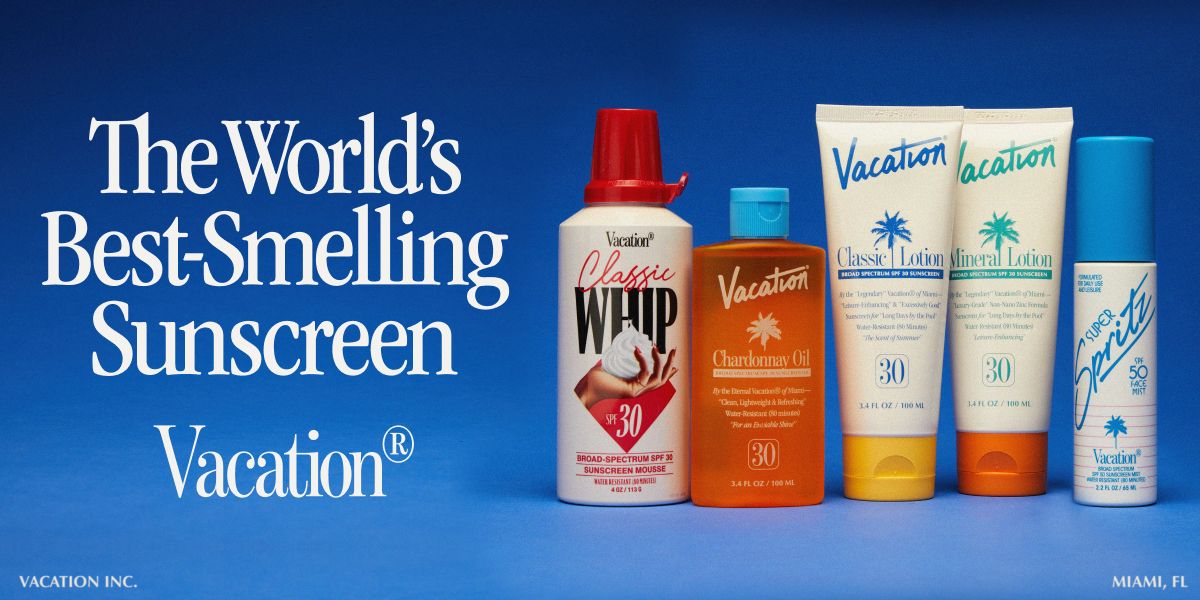
VMG Partners has deployed capital across beauty and personal care with a clear emphasis on brands capable of commanding premium shelf positioning at mass retail — the masstige corridor that drives strategic consolidation activity. Sun Bum's trajectory from specialty surf shops to Target endcaps to J&J's portfolio demonstrates VMG's capacity to engineer distribution resets that deliver returns. The firm's investment in Vacation signals confidence that suncare's premiumization trend has room for multiple portfolio exits, particularly as climate awareness and dermatological education drive increased SPF adoption beyond summer seasonality. Vacation's emphasis on reef-safe formulations and collectible packaging aligns with the clean beauty movement's migration into sun protection, a positioning that Sun Bum captured early but has since become table stakes for emerging brands.
Distribution Architecture: The DTC Ceiling and Retail Expansion Imperative
Vacation launched with a direct-to-consumer model that leveraged Instagram-native marketing and limited-edition drops to build brand equity without traditional retail overhead. The company's collaboration strategy — including partnerships with Entireworld and other lifestyle brands — generated cultural relevance but limited top-line scale. VMG's capital injection will likely fund a retail expansion roadmap mirroring Sun Bum's progression: specialty doors at Sephora or Bluemercury to establish prestige credentials, followed by mass rollout at Ulta Beauty and Target to achieve the volume metrics that attract strategic acquirers. This distribution sequencing allows brands to maintain premium pricing while achieving the $100 million revenue threshold that typically triggers M&A interest from Unilever, Beiersdorf, or Shiseido Americas.
Portfolio Fit Analysis: Which CPG Players Need Suncare Growth Engines
The strategic acquirer landscape for suncare has shifted since Sun Bum's 2017 exit — Edgewell Personal Care acquired Jack Black in 2018, Unilever has scaled Paula's Choice into sun protection, and indie players like Supergoop continue expanding into travel retail and international markets. Vacation's heritage-forward branding and Gen Z appeal position the asset as a portfolio rationalization opportunity for legacy players seeking to modernize suncare offerings without cannibalizing core dermatological brands. Johnson & Johnson Consumer Health's impending separation into Kenvue creates potential acquisition appetite for brands that can drive growth independent of pharmaceutical distribution, while Beiersdorf's Eucerin and Nivea portfolios lack the cultural cache that Vacation commands among younger demographics. The brand's path to exit depends less on category invention and more on proving that nostalgic positioning can drive repeat purchase velocity at scale.
The Exit Timeline: What Needs to Happen Before Strategic Interest Peaks
Vacation must achieve three milestones to replicate Sun Bum's exit trajectory: first, penetration into 3,000-plus retail doors with sustained velocity metrics demonstrating basket affinity beyond impulse purchases; second, international distribution proving the brand's appeal translates outside U.S. nostalgia frameworks; third, line extension beyond core suncare into adjacent categories like bodycare or haircare that justify premium multiples during M&A negotiations. VMG's operational playbook typically targets exits within five to seven years of initial investment, suggesting a potential transaction window between 2028 and 2030 — a timeline that aligns with broader CPG consolidation cycles and the maturation of clean beauty from trend to category standard. The firm's ability to position Vacation as a platform acquisition rather than a point solution will determine whether the brand commands strategic premiums or trades at category multiples.
🌍💄
Martin Jacob
Beauty market analyst covering trends, brands, and distribution shifts.