Unilever's $47B Dermo-Cosmetics Pivot: Melasma as APAC Distribution Wedge

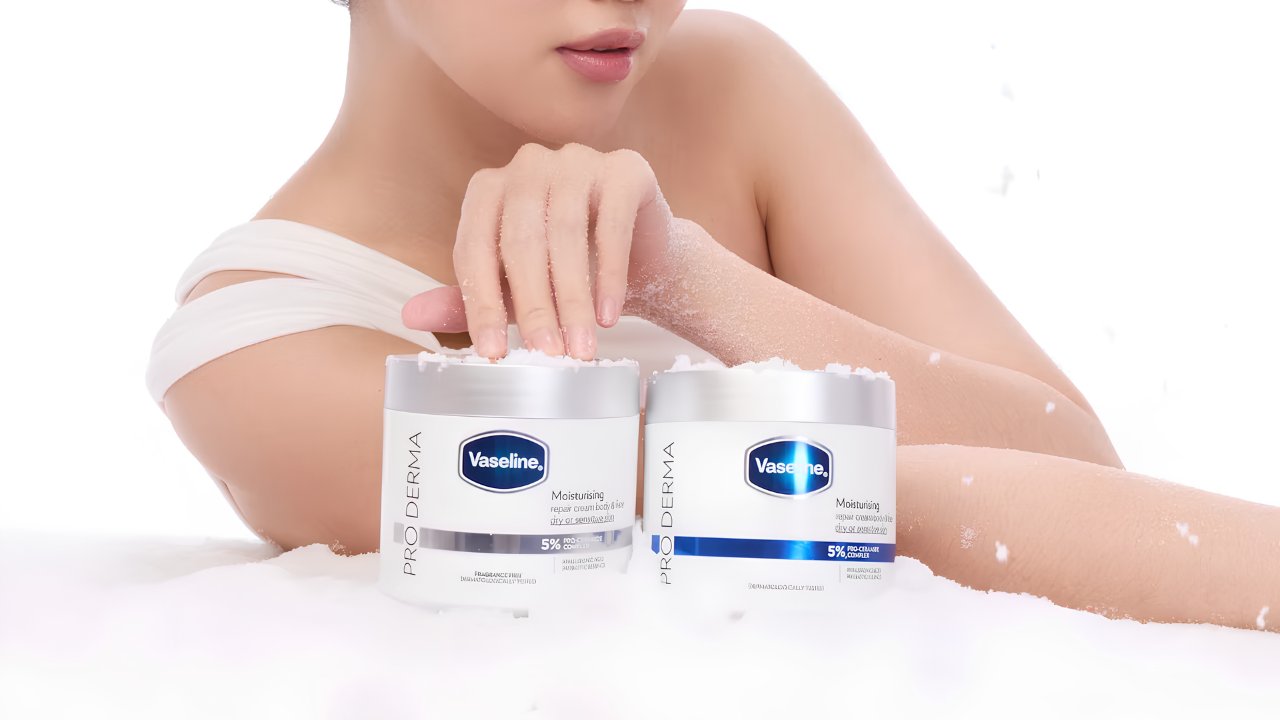
The global dermo-cosmetics category is projected to reach $47 billion by 2028, expanding at a CAGR of 8.4% and driven disproportionately by hyperpigmentation treatment demand across APAC, where melasma prevalence rates run as high as 40% among women of East and Southeast Asian descent. Against that backdrop, Unilever's launch of Vaseline Pro Derma Melasma Repair is not a product announcement. It is a signal of category intent, distribution repositioning, and a deliberate challenge to the clinical skincare incumbents, most notably Galderma, L'Oréal's La Roche-Posay, and Pierre Fabre's Eau Thermale Avène, who have built significant prestige positioning in the dermo-cosmetics space over the past decade. The move lands at a moment when mass-market heritage brands are under structural pressure to migrate up the value chain without alienating their existing retail footprint.
The Portfolio Reset Behind the Clinical Pivot
Vaseline's historical equity sits in barrier repair and body care. That is both its asset and its strategic constraint. By introducing Glycoxome technology, a proprietary delivery system built on more than 12 years of internal pigmentation research, Unilever is attempting something categorically difficult: a portfolio reset that elevates a masstige brand into clinical facial care without triggering the credibility gap that has derailed similar repositioning attempts across the industry.
The involvement of New York-based board-certified dermatologist Dr. Hadley King provides a credential architecture that bypasses some of that skepticism. The clinical study itself, a 12-week trial conducted with 35 women in Thailand showing up to 85% reduction in the appearance of sun-induced melasma, is modest in scale but geographically deliberate. Thailand sits at the center of the region's most concentrated melasma treatment consumer base, and the in-market validation strategy is consistent with how Unilever has historically staged APAC-led launches before broader rollout.
If Vaseline Pro Derma enters at a mass-adjacent price point, it may capture volume without capturing the margin or the brand equity transfer that makes this kind of portfolio reset financially durable over a three- to five-year horizon.
Distribution Architecture as Competitive Weapon
The exclusive retail partnership with Watsons is the most consequential structural decision in this launch, and it has received almost no analytical attention. Watsons operates more than 8,000 doors across APAC, with particularly dense footprints in Thailand, Malaysia, the Philippines, Taiwan, and Hong Kong. For a dermo-cosmetics entrant, that distribution architecture provides instant scale that brands like CeraVe spent years building through pharmacy channels before L'Oréal acquired them in 2017 for approximately $1.3 billion.
Unilever is effectively using Watsons' health-beauty hybrid positioning to place Vaseline Pro Derma in an environment that carries implicit clinical authority. The parapharmacy adjacency matters enormously for premiumization. Consumers in APAC increasingly make no distinction between a pharmacist's recommendation and a Watsons shelf placement when the product packaging, clinical claims, and dermatologist endorsement are present. That behavior pattern is structurally different from what drives purchasing decisions in Western markets, and Unilever's distribution choice reflects a sophisticated read of that dynamic.

Prestige Positioning Without Prestige Price Architecture
The unresolved tension in this launch is pricing. Vaseline's mass-market heritage creates a price ceiling that may limit how far this line can travel up the prestige positioning ladder. The dermo-cosmetics leaders charge a meaningful premium: La Roche-Posay's Mela B3 Serum retails at approximately $40 to $55 across APAC markets, anchoring a price expectation that signals clinical seriousness. If Vaseline Pro Derma enters at a mass-adjacent price point, it may capture volume without capturing the margin or the brand equity transfer that makes this kind of portfolio reset financially durable over a three- to five-year horizon.
Thailand sits at the center of the region's most concentrated melasma treatment consumer base, and the in-market validation strategy is consistent with how Unilever has historically staged APAC-led launches before broader rollout.
Unilever's beauty and wellbeing segment, which generated approximately $13.8 billion in revenue in fiscal 2024, is under investor pressure to demonstrate premiumization progress following the divestiture of several low-growth personal care assets. The Vaseline Pro Derma line needs to perform against that internal benchmark, not just against the competitive dermo-cosmetics field.
What Comes Next for Unilever's Dermo-Cosmetics Position
The strategic logic of this launch points beyond a single product range. Unilever holds multiple dermatologically positioned assets across its global portfolio, and the Glycoxome technology platform, if it generates meaningful clinical results at commercial scale, becomes a potential licensing or cross-brand deployment asset. More pointedly, if the Watsons partnership delivers measurable sell-through data within the first two quarters post-launch, Unilever has a data-backed rationale to expand the Pro Derma architecture into adjacent indications, acne, barrier dysfunction, post-inflammatory hyperpigmentation, and potentially into GCC and MENA markets where hyperpigmentation treatment demand is structurally comparable to APAC.
The brands that win dermo-cosmetics at scale in the next five years will be those that solve the distribution architecture problem first and the formulation problem second. Unilever, with this launch, appears to understand that sequencing.
This article references and builds on original reporting by Global Cosmetics News for globalcosmeticsnews.com. Read the original piece here: https://www.globalcosmeticsnews.com/unilever-launches-vaseline-pro-derma-melasma-repair/. BeautyScale is a commercial agency; our editorial notes are commentary on industry reporting.
Nya Ravel
Beauty market analyst covering trends, brands, and distribution shifts.