Ulta Beauty's $3 Billion Quarter: How Distribution Architecture and Portfolio Reset Are Rewriting Specialty Retail's Playbook

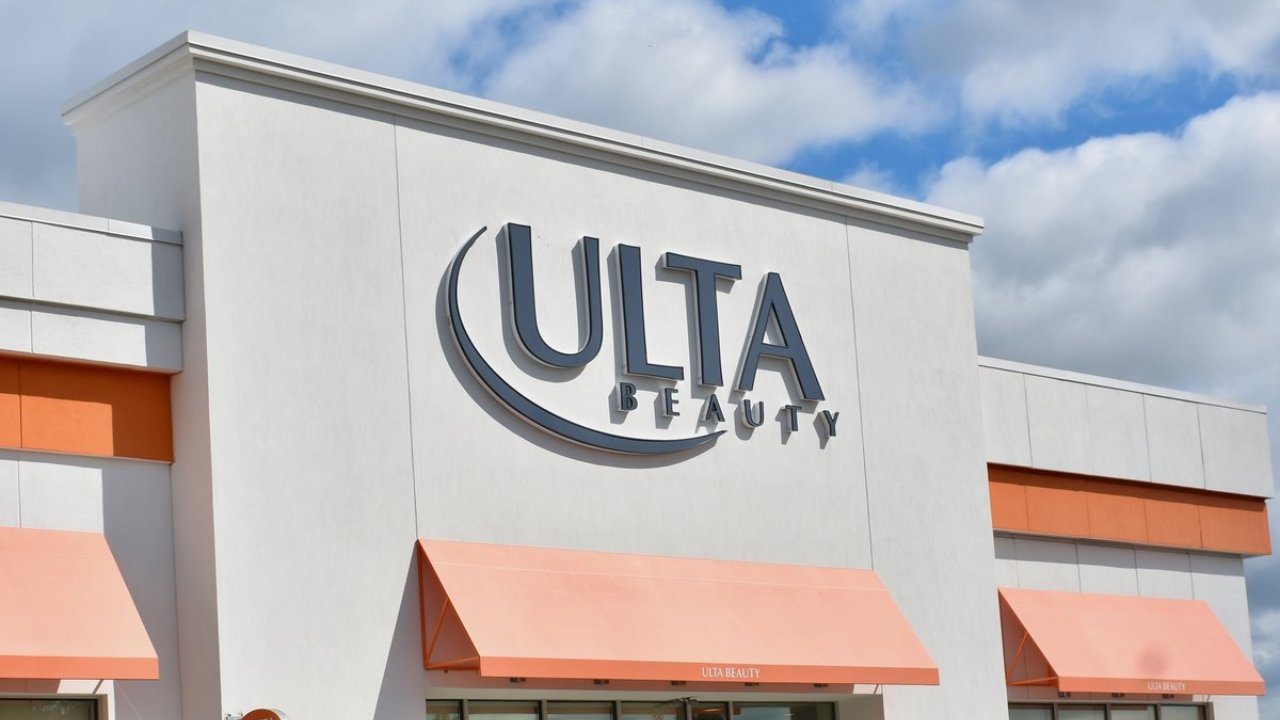
Net sales of $3 billion for a single fiscal quarter, posted against a backdrop of macroeconomic turbulence and intensifying channel fragmentation, signals something more consequential than a retailer finding its footing. Ulta Beauty's Q2 FY2026 result, representing 8.9 percent year-over-year growth, reflects a deliberate and compounding distribution architecture strategy that CEO Kecia Steelman has been executing with uncommon discipline since taking the helm in 2025. The Space NK acquisition added international prestige credibility to a portfolio historically anchored in masstige. The opening of Mexico and GCC storefronts in the same fiscal year introduced geographic diversification that most specialty beauty operators have deferred for a decade. For brand managers and investors tracking where volume concentration risk is shifting in U.S. specialty beauty, Ulta's current trajectory is the most instructive case study in the market.
The Distribution Architecture Has Fundamentally Changed
Ulta is no longer a single-channel specialty retailer operating 1,500-plus stores with a loyalty program bolted on. The retailer now operates across physical retail, a curated e-commerce marketplace (UB Marketplace), TikTok Shop (as the first American specialty beauty retailer to launch a storefront on the platform), a ChatGPT-integrated recommendation layer, and an international store network in early-stage buildout across MENA and Latin America. Each of these channels carries distinct margin profiles and brand discovery dynamics. The Bath and Body Works partnership, covering more than 600 Ulta doors, adds a category-adjacent volume driver that broadens the retailer's household-penetration story without requiring new customer acquisition spend.
The Space NK M&A Signal and Prestige Positioning
The Space NK acquisition remains underappreciated as a strategic inflection point. Space NK operates as a prestige-first distribution vehicle with concentrated exposure in the U.K. and a consumer base that skews meaningfully higher in average transaction value than Ulta's core domestic shopper. For Ulta, the acquisition serves two functions simultaneously: it elevates the retailer's brand equity among prestige-positioned founders and investors who historically viewed Ulta as a masstige-dominant account, and it provides a proving ground for premiumization at the portfolio level. Brands evaluating their own distribution architecture in APAC and EMEA will watch how Ulta integrates Space NK's buying culture and assortment philosophy into its broader operating model over the next 18 to 24 months.
K-Beauty as a Category Bet, Not a Trend Response
Ulta's addition of Medicube, Anua, and Dr. Melaxin, alongside 13 K-hair care brands and the launch of Clöud Café as a Korean-inspired wellness food and beverage concept, is a structured category expansion, not reactive trend merchandising. Korean brands now account for approximately one quarter of skin care volume in the prestige segment, according to recent category tracking data, and Ulta's early positioning in K-hair and K-wellness suggests the retailer is anticipating the next category rotation before it peaks in mainstream consumption. For emerging Korean brands seeking U.S. distribution architecture, Ulta's UB Marketplace functions as a lower-commitment entry point with real traffic and conversion data. That testing-ground dynamic, as Ulta's VP of hair care merchandising Shianna Davey framed it publicly, changes the calculus for brands deciding between DTC-first and retail-first U.S. launch strategies.
The Forward Outlook: International Buildout and Premiumization Pressure
Ulta's full-year FY2026 net sales growth guidance of 6.7 to 7.2 percent sits comfortably above the specialty retail sector average, but the more important metric is where incremental growth originates over the next three fiscal years. The planned Times Square flagship, slated for 2027, is a prestige-positioning asset as much as a revenue vehicle, designed to compete for brand association with Sephora's flagship footprint in high-traffic urban corridors. GCC expansion carries significant long-term volume potential in a region where prestige beauty retail is growing at a CAGR that outpaces every other global geography. As Ulta operationalizes its Unleashed strategy across a genuinely multi-channel, multi-market distribution architecture, the central question for brand partners is whether the retailer's premiumization trajectory will compress the assortment breadth that made it the default account for masstige launches. For investors, the answer to that question determines whether Ulta's current multiple expansion is durable or a recovery-cycle artifact.
This article references and builds on original reporting by Noor Lobad for WWD. Read the original piece here: https://wwd.com/beauty-industry-news/beauty-features/ulta-beauty-growth-tiktok-shop-stores-retail-1239379404/. BeautyScale is a commercial agency; our editorial notes are commentary on industry reporting.
Rayane Mahmoud
Beauty market analyst covering trends, brands, and distribution shifts.