Boscia Changes Hands for a DTC Reset: How a $22B Japanese Skincare Legacy Gets a Second Act in the U.S. Market
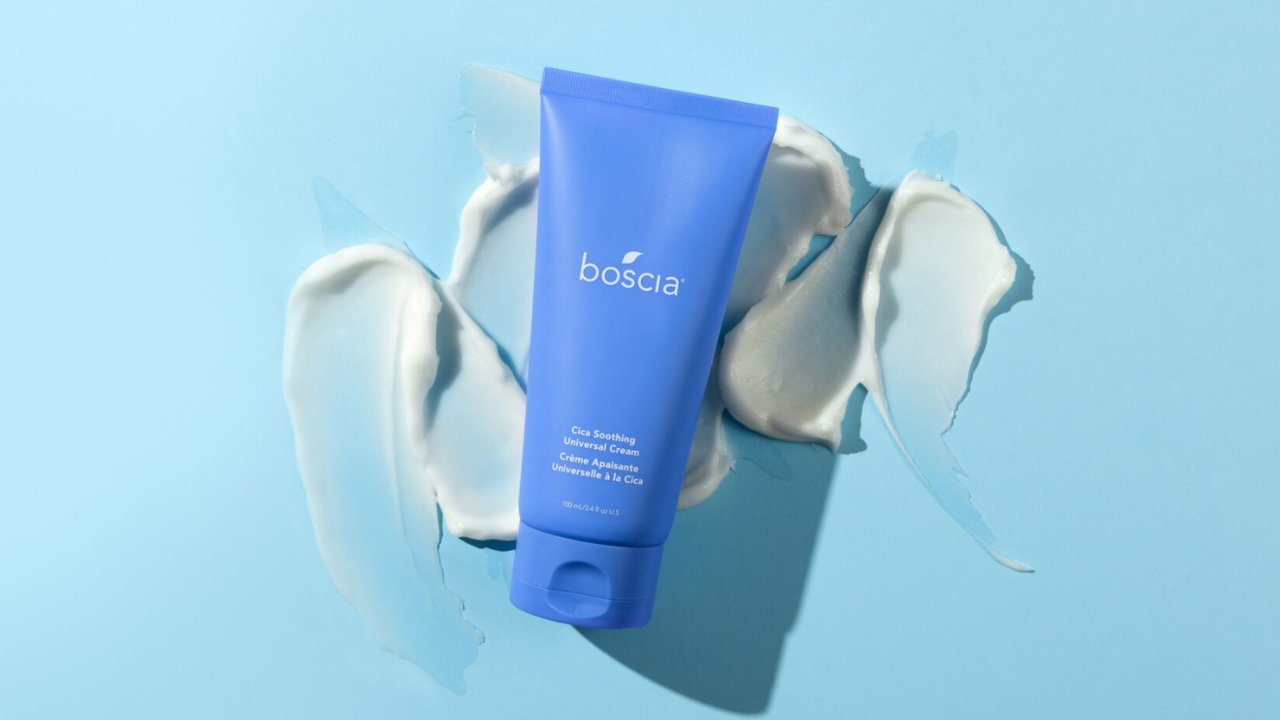
The global prestige skincare market reached an estimated $22 billion in 2025, growing at a CAGR of 8.4 percent, and acquisitions of dormant heritage brands are emerging as one of the most capital-efficient plays in beauty M&A. The Center Brands, founded by Ben Bennett, and triple board-certified dermatologist Dr. Mamina Turegano have acquired Boscia from FANCL Corporation, the Japanese cosmetics conglomerate that launched the brand in California in 2002. A direct-to-consumer relaunch is slated for Q1 2027, signaling a deliberate, unhurried portfolio reset rather than a reactive repositioning. The deal adds a clinically credentialed co-founder to the cap table, a structural choice that reflects where prestige skincare investment thesis is moving in 2026.
A Dormant Asset in a High-Velocity Category
Boscia occupied a meaningful position in specialty retail through the mid-2010s, building a loyal base around preservative-free, botanically anchored formulations tied to Japanese skincare philosophy. But as Sephora and Ulta Beauty restructured their floor sets around higher-velocity brands and masstige competitors scaled aggressively on social, Boscia's distribution architecture lost coherence. FANCL, whose core business is catalogue and subscription commerce in Japan, never fully resolved the tension between Boscia's aspirational retail positioning in the U.S. and its own domestic-focused operating model. The acquisition by The Center Brands effectively clears that structural ambiguity and resets the brand's commercial runway.
For Ben Bennett and The Center, the transaction follows a recognizable playbook. The accelerator's exits, including Naturium to e.l.f. Beauty in 2023 and Phlur and Saltair to TSG Consumer Partners in 2025 and 2026 respectively, demonstrate a disciplined approach to identifying undervalued brand equity, rebuilding the commercial architecture, and exiting to strategic acquirers at premiumized multiples. Boscia arrives with two assets that Bennett's prior portfolio companies had to construct from scratch: a recognized name and an authentic origin story rooted in a Japanese heritage that U.S. consumers are actively seeking.
The Dermatologist Co-Founder as Distribution Signal
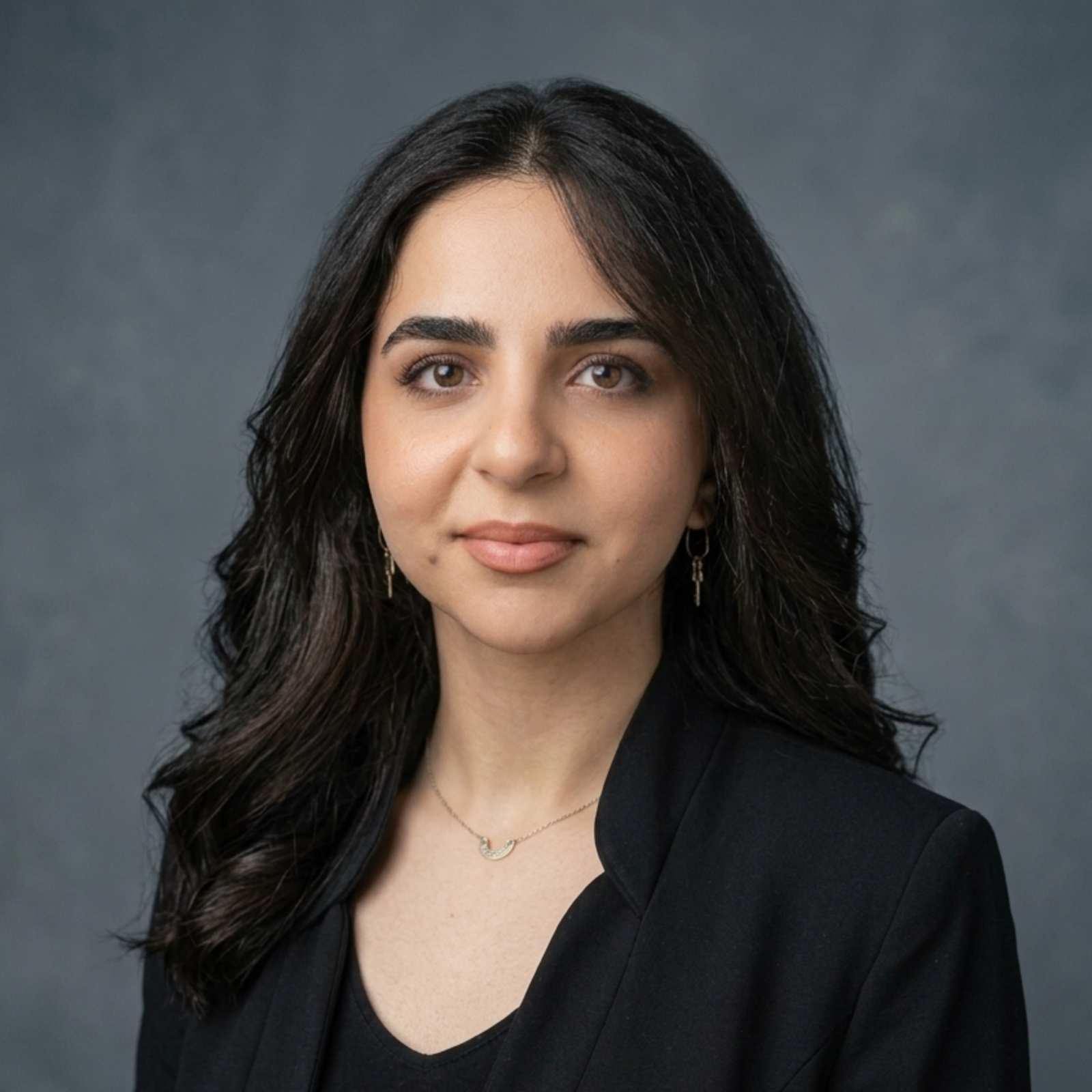
The decision to structure Dr. Mamina Turegano as a named co-acquisition partner is not incidental. Turegano, a Georgetown-trained chief resident and UCLA-fellowship dermatopathologist with additional certification in integrative dermatology, brings a clinical credential that justifies prestige pricing in a category increasingly scrutinized for efficacy claims. Her existing social platform, built around the intersection of Japanese skincare ritual and evidence-based dermatology, functions as a pre-built acquisition channel that reduces early-stage customer acquisition costs materially.

This model, pairing a founder-operator with a credentialed clinical voice at the equity level rather than the advisory level, is gaining traction across the industry. It reflects a broader premiumization dynamic in which clinical association is no longer a marketing add-on but a core element of brand architecture. For Boscia, it also solves a positioning challenge that has complicated other heritage botanical brands: how to retain ritual authenticity while satisfying a consumer base now fluent in actives, efficacy studies, and ingredient transparency.
DTC First, Retail Second: A Deliberate Sequencing Choice
The Q1 2027 DTC relaunch timeline, more than a year from the acquisition announcement, reflects a sequencing logic that prioritizes margin structure and consumer data ownership over top-line velocity. Launching direct before entering specialty retail gives The Center and Turegano the ability to refine the brand's commercial story on owned channels, build first-party data, and negotiate retail placement from a position of demonstrated demand rather than projected potential.
This approach carries a strategic premium in the current environment. Specialty retailers, particularly Sephora and Ulta Beauty, are allocating shelf space with increasing precision, favoring brands that arrive with proven conversion metrics and a community infrastructure already in place. A DTC-first sequence effectively transforms the retail conversation from a launch pitch into a scale conversation.
What the Exit Trajectory Suggests
The Center Brands has structured five exits in roughly four years, a cadence that places it among the more productive accelerators operating in beauty today. If Boscia executes the Q1 2027 relaunch with the same margin discipline and channel clarity that defined the Naturium and Saltair builds, the brand enters the acquisition conversation by late 2028 or early 2029. At current prestige skincare transaction multiples, which ranged between 3.5x and 5x revenue for strategically positioned indie brands through 2025, a well-reconstructed Boscia with $30 to $50 million in annual DTC revenue would represent a compelling target for a mid-tier strategic looking to expand its Japanese-heritage skincare exposure. The real question is whether The Center and Turegano can compress the timeline without compressing the brand equity they are working to rebuild.
This article references and builds on original reporting by Boscia for PR Newswire. Read the original piece here: https://www.prnewswire.com/news-releases/the-center-brands-and-dr-mamina-turegano-announce-the-acquisition-of-boscia-302919083.html. BeautyScale is a commercial agency; our editorial notes are commentary on industry reporting.
Rayane Mahmoud
Beauty market analyst covering trends, brands, and distribution shifts.