Tower 28 Leads the $94B Shift to Clinical Trust in Color Cosmetics Marketing

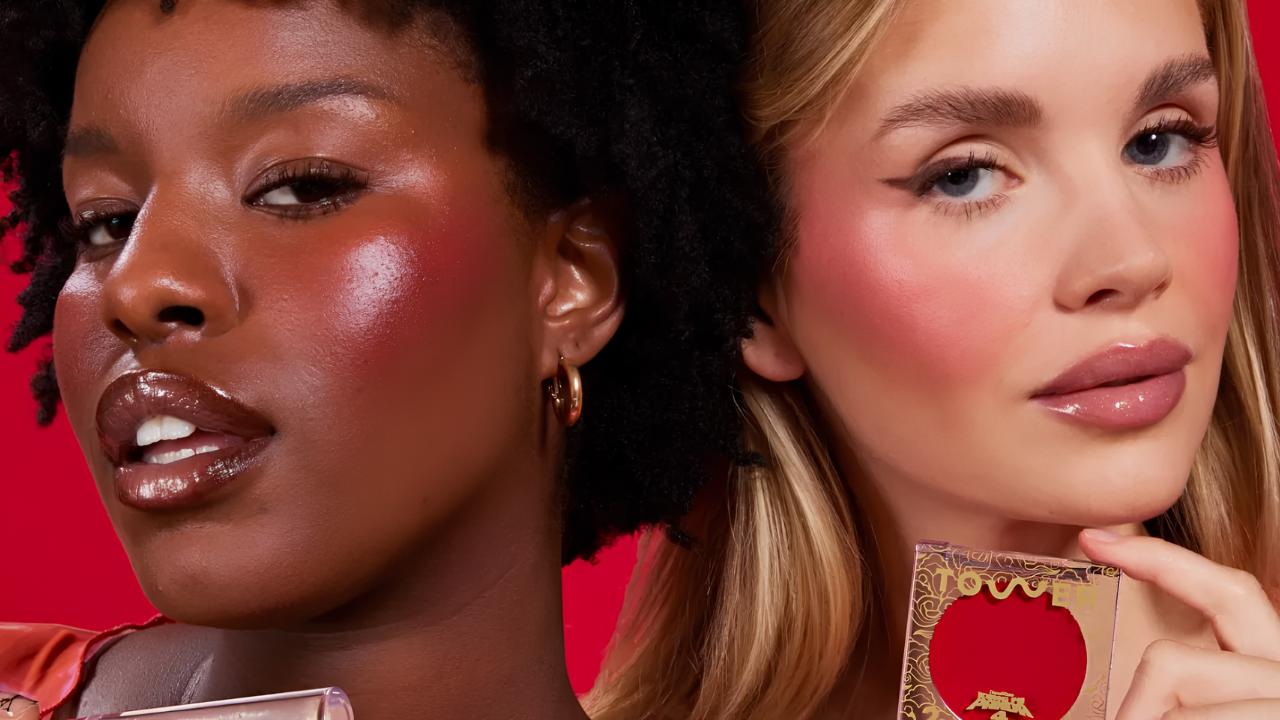
The global color cosmetics market is projected to reach $94.2 billion by 2028, compounding at a 5.8% CAGR, yet the sensitive skin segment has operated for decades without a credible, third-party validation framework at shelf. Tower 28 Beauty is changing that calculus. Founded by Amy Liu in 2019, the brand has constructed its entire distribution architecture around a single, legally precise claim: every product meets the National Eczema Association's criteria for the Seal of Acceptance. In a category where "clean" has become commercially diluted and regulatorily ambiguous, Tower 28 is executing a prestige positioning move built not on aspiration but on clinical accountability.
The Validation Gap Is a $94B Market Inefficiency
Color cosmetics has historically borrowed its trust signals from skincare. Brands layered "dermatologist-tested" onto packaging without standardized testing protocols, leaving sensitive-skin consumers with no reliable purchase signal at shelf. That gap represents a structural inefficiency across an enormous addressable market. The sensitive skin cohort is not a niche: industry research consistently identifies 60 to 70 percent of global consumers as self-identifying with some degree of skin sensitivity. Tower 28's thesis is that third-party clinical validation, applied to color rather than skincare, converts that consumer self-identification into a defensible retail filter. It is a premiumization argument with a certification moat.
For investors, brands executing this playbook with genuine formulation compliance rather than surface-level certification language represent differentiated exit assets in an M&A environment where acquirers are paying for durable moats.
Distribution Architecture as Brand Argument
Tower 28's channel mix is as deliberate as its formulation philosophy. A Sephora distribution relationship positions the brand squarely in prestige without the masstige dilution risk that comes from broader specialty or drug channel entry. Prestige placement matters here beyond the obvious revenue logic: Sephora's shelf environment signals category credibility to precisely the beauty enthusiast and ingredient-aware consumer most likely to cross-shop between skincare and color. The brand's DTC infrastructure runs in parallel, capturing first-party data on sensitive-skin purchase behavior, a data asset with compounding strategic value as the category matures. For investors and acquirers mapping portfolio reset opportunities, this two-channel discipline reads as a sign of founder sophistication rather than distribution immaturity.
The Clinical Trust Standard Is Becoming a Category Forcing Function
Tower 28 is not operating in isolation. The broader market is seeing a convergence of regulatory pressure, consumer skepticism toward self-certified clean claims, and retailer demand for substantiated positioning. Sephora's own Clean at Sephora standards have evolved to include more rigorous ingredient restrictions, and competing retailers are building analogous frameworks. What Tower 28 has done is occupy the clinical tier above clean, a positioning layer that was entirely vacant in color cosmetics until recently. Brands that arrive at clinical validation late will face both formulation retrofit costs and the credibility penalty of appearing reactive. The window for first-mover prestige positioning in this sub-segment is contracting.
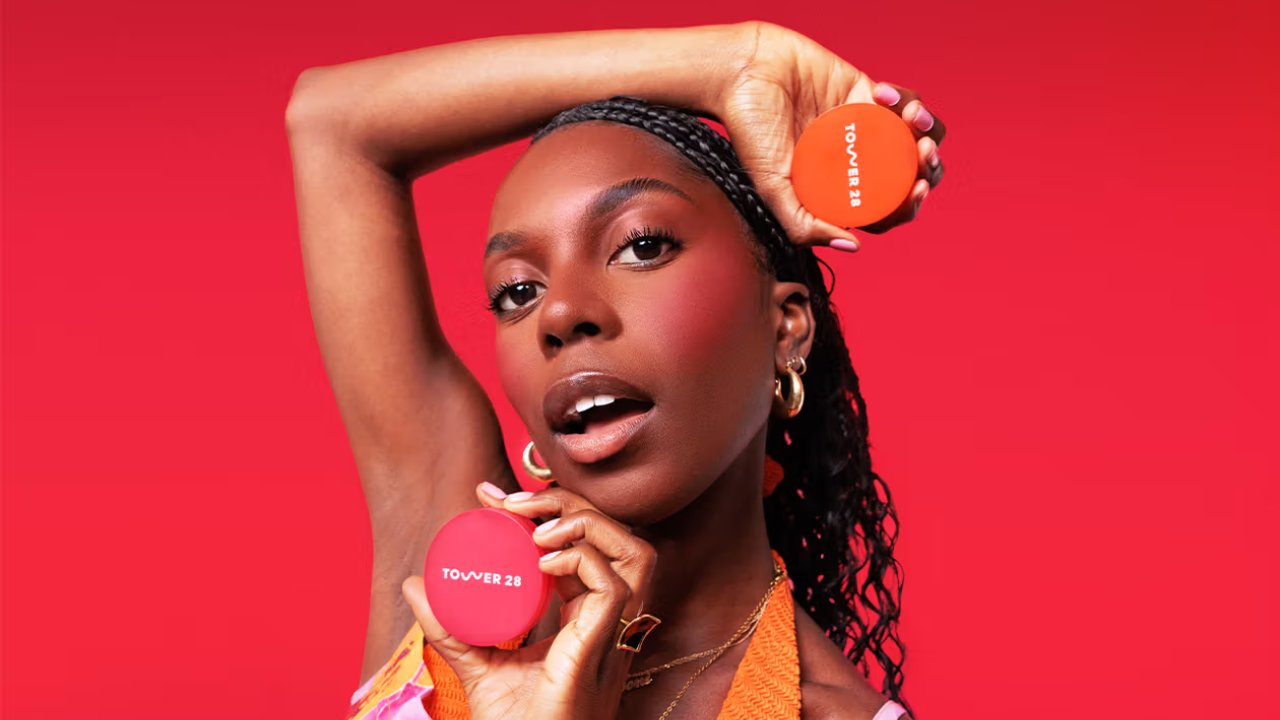
The M&A implications are worth flagging for strategic acquirers. Estee Lauder Companies, L'Oreal, and Shiseido have all demonstrated appetite for acquisitions that extend their sensitive-skin or dermatological credibility. Tower 28's NEA Seal of Acceptance is not a marketing badge. It is a regulatory-adjacent asset that transfers on acquisition and would require years to replicate organically. Any acquirer assessing portfolio strategy in the prestige color segment should treat Tower 28's certification architecture as core deal value, not brand narrative.
The brand's DTC infrastructure runs in parallel, capturing first-party data on sensitive-skin purchase behavior, a data asset with compounding strategic value as the category matures.
What Operators and Investors Should Watch Now
The actionable signal here is not Tower 28 specifically. It is the structural shift the brand is accelerating. Category managers at prestige retailers should expect incoming brand pitches to increasingly center on clinical third-party validation rather than clean ingredient lists. The absence of a standardized framework in color cosmetics means that first movers will define the benchmark. That benchmark, once embedded at shelf level, raises the barrier for every subsequent entrant.
For brand operators in adjacent categories, the Tower 28 model offers a replicable architecture: identify a consumer trust deficit, secure the most rigorous available third-party certification, align distribution to a prestige channel that amplifies clinical credibility, and build DTC infrastructure to own the sensitive-skin customer relationship directly. For investors, brands executing this playbook with genuine formulation compliance rather than surface-level certification language represent differentiated exit assets in an M&A environment where acquirers are paying for durable moats. Clinical trust is becoming one.
This article references and builds on original reporting by National Eczema Association for PR Newswire. Read the original piece here: https://www.prnewswire.com/news-releases/national-eczema-association-expands-seal-of-acceptance-program-to-makeup-302865301.html. BeautyScale is a commercial agency; our editorial notes are commentary on industry reporting.
Rayane Mahmoud
Beauty market analyst covering trends, brands, and distribution shifts.