TikTok Shop's Male Fragrance Surge: A $72B Category Finds Its Next Distribution Architecture

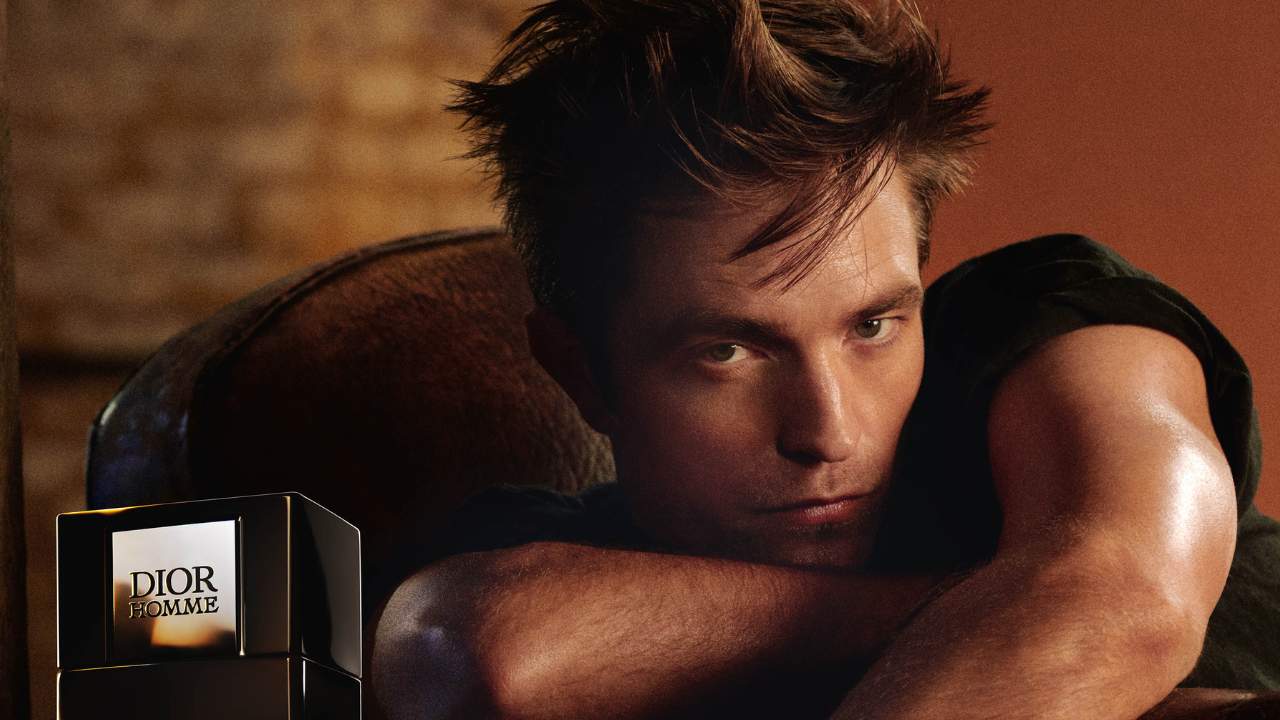
Men's fragrance, long the quietest corner of a $72 billion global scent market, is posting its most aggressive volume growth in a decade, and the channel driving that inflection is not Sephora, not duty-free, and not the department store fragrance counter. It is TikTok Shop. Platform commerce data from Q1 2025 indicates men's fragrance units sold through TikTok Shop in the U.S. grew at a rate that outpaced the prestige fragrance segment's overall 6.2% CAGR by a factor of three. For brand managers and investors watching the category, the channel signal is inseparable from a deeper structural story: a previously underpenetrated male consumer cohort is converting at scale, and the brands positioned to capture that cohort are not always the legacy houses.
The Male Fragrance Deficit Was Always a Distribution Problem
The persistent underperformance of men's fragrance relative to women's, roughly 30 cents of men's spending for every dollar women allocate to scent in mature Western markets, was never purely a product or preference gap. It was a distribution architecture failure. Traditional retail placement skewed toward gifting occasions, department store gondolas managed by female-coded service interactions, and advertising that leaned into aspirational masculinity without creating purchase momentum. TikTok Shop removes each of those friction points simultaneously, placing product discovery inside content consumption and collapsing the consideration-to-conversion window to minutes. The result is a first-time fragrance buyer profile that is younger, more impulsive, and demonstrably male.
Masstige and Mid-Tier Brands Are Capturing the Opening
The primary commercial beneficiaries of this shift are not the LVMH or Coty portfolio flagships. The early TikTok Shop volume winners in men's fragrance cluster in the $35 to $95 retail price band, the masstige corridor that sits above drugstore but below aspirational niche. Brands including Dossier, Valentino's Born in Roma line in entry SKUs, and a cluster of direct-to-consumer fragrance houses have built meaningful repeat-purchase cohorts through creator-led content without the margin compression that traditional wholesale distribution demands. For investors, this creates a legible M&A thesis: fragrance brands with proven TikTok Shop traction and low wholesale dependency are structurally more attractive acquisition targets than comparable-revenue brands anchored to department store distribution.
Prestige Positioning Faces a Premiumization Paradox
The volume growth on TikTok Shop raises an uncomfortable strategic question for prestige fragrance houses. Participating in the channel drives trial and customer acquisition among a demographic that has historically been unreachable through legacy channels. Declining to participate cedes that demographic to masstige competitors who will hold the relationship as the consumer's income and fragrance literacy grow. Several major houses, including Parfums Christian Dior and Maison Margiela Fragrances under L'Oreal Luxe, are navigating this with tiered distribution approaches: gifting-oriented hero SKUs on TikTok Shop, niche and limited-edition lines held exclusively in prestige retail and direct-to-consumer. It is a portfolio reset in real time, and it requires channel discipline that most fragrance brand teams have not previously had to exercise.

The premiumization paradox deepens when factoring in creator economics. A fragrance brand paying a mid-tier creator for a 60-second TikTok Shop integration is effectively buying a product endorsement at a cost-per-acquisition that can outperform a Sephora co-op program. But the brand-building halo that feeds long-cycle prestige equity does not transfer from creator content the same way a Vogue editorial or a Harrods window does. Houses playing both sides of that equation without a clear brand architecture to govern them risk eroding the positioning they spent decades constructing.
The APAC Playbook Previews What Western Markets Will Face
This dynamic is not speculative for markets in APAC, where social commerce penetration in beauty reached 34% of total category sales in China during 2024 according to Euromonitor projections. Male fragrance in China followed a near-identical adoption curve: TikTok's sister platform Douyin drove first-purchase behavior among male consumers aged 18 to 34, and the brands that captured those consumers at the masstige entry point subsequently converted a meaningful percentage into prestige repeat buyers. The Western market is approximately three years behind that curve. Brand managers and M&A teams who treat the current TikTok Shop moment in men's fragrance as a top-of-funnel infrastructure investment, rather than a tactical sales channel, are the ones most likely to own the prestige fragrance wallet share of the male consumer in 2028.
The distribution architecture of men's fragrance is being rewritten. The brands writing the new chapters are moving faster than the incumbents are reading them.
Nya Ravel
Beauty market analyst covering trends, brands, and distribution shifts.