SPF-Infused Color Cosmetics Hits $8.4B Crossover Territory: What Ciele's Launch Architecture Signals for Prestige M&A
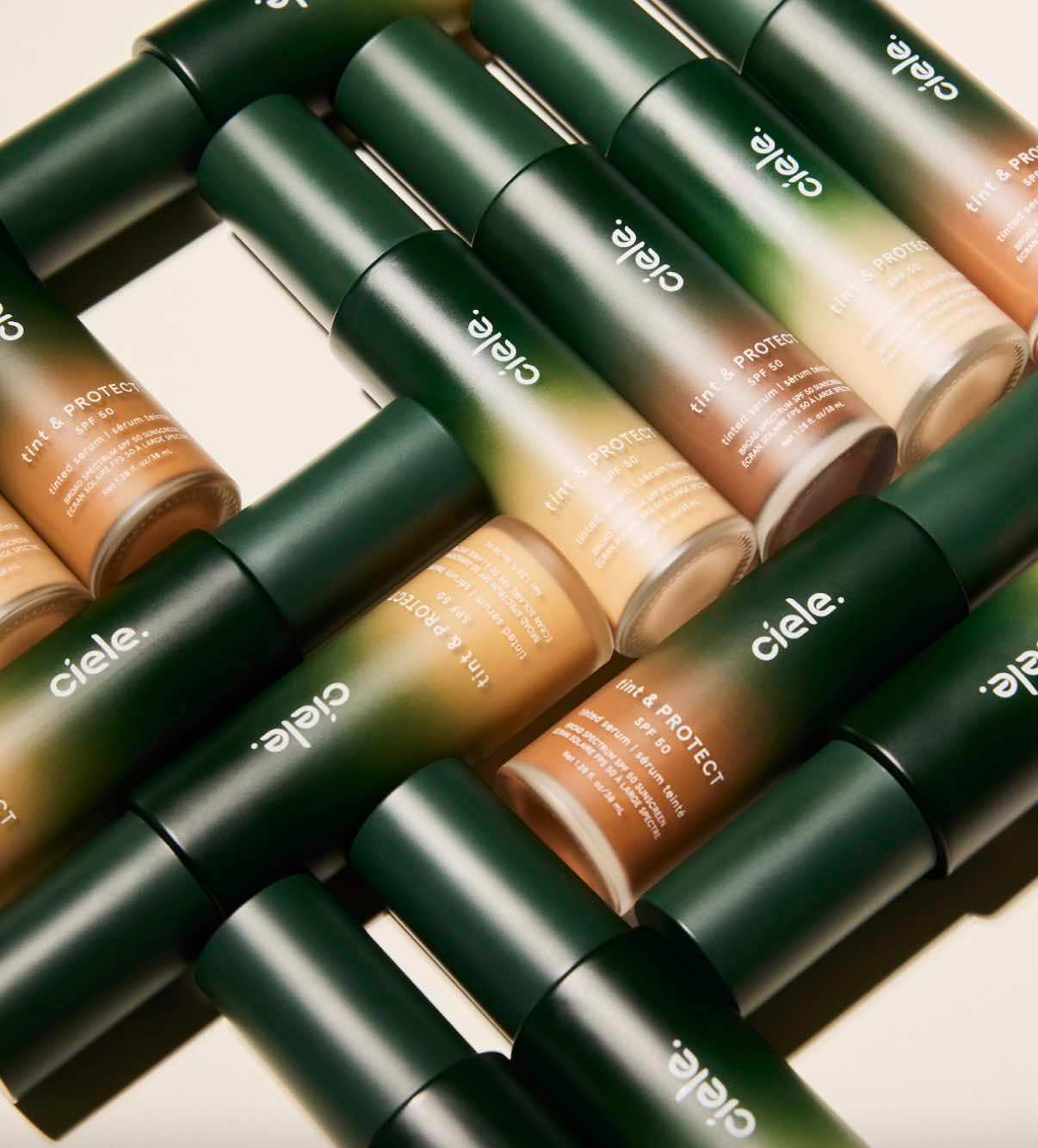
The global sun care-meets-color cosmetics convergence category is tracking toward $8.4 billion by 2028, compounding at a CAGR of 6.9% as consumer-driven demand for multi-functional formulations structurally reshapes retailer shelf allocation and brand investment thesis alike. Into that expanding whitespace steps Ciele Cosmetics, founded by celebrity makeup artist Nikki DeRoest — whose professional roster includes Rosie Huntington-Whiteley, Hailey Bieber, and Phoebe Dynevor — as an SPF-infused, acne-safe color line designed to collapse the separation between skin treatment and color payoff. DeRoest's earlier venture, eye-shadow label Róen Beauty, launched in 2018 and exited her portfolio by 2020, making Ciele a deliberate portfolio reset — not an impulse. The brand's founding thesis, that SPF delivery through pigmented product addresses a functional gap legacy prestige players have chronically underserved, is precisely the kind of white-label-resistant positioning that draws acquisition interest.
The Founder-Led Prestige Model Is Still Generating Category-Level Signal
Brands built on a celebrity makeup artist's professional credibility occupy a structurally distinct lane from influencer-led launches. DeRoest's access to A-list talent creates earned media compression — product visibility on Huntington-Whiteley or Bieber generates press valuation that a comparably funded DTC brand cannot replicate through paid acquisition. That asymmetry directly informs prestige positioning: the brand does not need to compete on media spend in the early stage, which protects gross margin and extends the runway for distribution architecture decisions. For brand managers and retail buyers evaluating emerging color cosmetics lines, founder-authenticated prestige is a more durable signal than celebrity endorsement.
The Róen parenthesis matters here. A founder who stepped away from a label in 2020 — amid a period of mass market contraction and color cosmetics volume decline globally — and returned with a reformulated strategic concept in 2023 is demonstrating category fluency, not failure. The intervening period allowed DeRoest to identify a differentiated formulation angle that incumbents like NARS, Charlotte Tilbury, and Westman Atelier had not yet systematically addressed at the SKU level.
For investors conducting portfolio due diligence, the relevant benchmark is not Ciele's current revenue — it is whether the brand's formulation differentiation is proprietary enough to survive white-label replication at scale.
Distribution Architecture Will Define Whether Ciele Scales or Stays Boutique
The critical variable for Ciele's next 18 months is not formulation — it is distribution architecture. Brands operating in the SPF-color crossover space face a bifurcated retail reality: mass and masstige channels move volume but erode the clinical skin-care credibility that justifies the formulation premium, while pure prestige placement at Sephora or Net-a-Porter limits velocity. The strategic play most consistent with Ciele's positioning is a phased prestige-to-masstige sequencing — establish credibility through Violet Grey-tier or direct-to-consumer editorial retail, then negotiate Sephora Inside JCPenney or Ulta Beauty's prestige gondola as the second-stage channel unlock.
Brands that invert that sequence — entering masstige at launch to capture volume — routinely sacrifice the brand equity that makes them acquirable at a meaningful multiple. Given DeRoest's professional network and the brand's acne-safe clinical claims, the prestige lane is both more defensible and more strategically logical.
The M&A Lens: Functional Hybrid Brands Are Trading at Premiums
Strategic acquirers including Puig, L Catterton-backed platforms, and Shiseido's venture arm have all signaled appetite for functional hybrid brands — those that credibly sit at the intersection of skin care and color, and carry clean or clinical formulation architecture. Puig's 2023 acquisition of Dr. Barbara Sturm at a reported valuation in excess of €1 billion demonstrated that formulation credibility combined with founder narrative commands acquisition premiums that traditional color cosmetics multiples do not. Ciele's SPF-plus-acne-safe dual claim positions it within that acquirable brand archetype, provided distribution remains disciplined and SKU count stays curated.
DeRoest's access to A-list talent creates earned media compression — product visibility on Huntington-Whiteley or Bieber generates press valuation that a comparably funded DTC brand cannot replicate through paid acquisition.
For investors conducting portfolio due diligence, the relevant benchmark is not Ciele's current revenue — it is whether the brand's formulation differentiation is proprietary enough to survive white-label replication at scale. If the SPF delivery mechanism involves a patented or exclusive technology partnership, the M&A case strengthens materially.
The GCC and APAC Expansion Case Writes Itself
Sun protection as a cultural and dermatological priority is structurally more entrenched in APAC and GCC markets than in the U.S. — and color cosmetics penetration in both regions is accelerating through premiumization cycles that favor clinically credentialed brands over pure color play. Ciele has a credible international expansion narrative that a larger beauty group could activate immediately post-acquisition, particularly in markets where SPF regulation is tightening and consumer sophistication around ingredient claims is rising. That international optionality is an underpriced variable in how the brand is currently being discussed.
The brands that reshape category architecture are rarely the ones with the largest launch budgets — they are the ones that identify a formulation logic the market has not yet fully priced in. Ciele's commercial trajectory over the next 24 months will confirm whether DeRoest has built a brand or built an asset.