Social Commerce 2026: The Platforms Reshaping Beauty Sales

Social commerce in beauty has moved beyond trend status into operational necessity. Beauty brands that haven't integrated live shopping, shoppable posts, and creator-driven content strategies are losing market share at an accelerating rate. The category now represents 18% of all U.S. beauty e-commerce sales, up from just 8% two years ago.
The shift is driven by three converging factors: algorithmic sophistication, creator monetization infrastructure, and consumer behavior normalization. Younger demographics—Gen Z and older Gen Alpha—now conduct 70% of their beauty research on social platforms before making a purchase decision. The majority complete the transaction on the same app where they discovered the product.
TikTok Shop's expansion into the U.S. remains the most consequential development. The platform's ability to surface niche beauty categories—from K-beauty essentials to indie fragrance—through algorithmic recommendation creates a discovery mechanism that traditional retail and even Amazon struggle to replicate. For indie brands and emerging DTC players, TikTok Shop represents an acquisition channel with lower CAC and higher conversion rates than paid search.
Instagram and YouTube Pivot Deeper
Meta's investment in Reels and shoppable content shows no signs of slowing. Instagram's "Reels Bonuses" program, which pays creators directly for viral content, has incentivized the production of higher-quality beauty tutorials and product reviews. The platform now hosts over 40 million shoppable posts daily, with beauty and personal care representing the largest category by volume.
The platform's ability to surface niche beauty categories—from K-beauty essentials to indie fragrance—through algorithmic recommendation creates a discovery mechanism that traditional retail and even Amazon struggle to replicate.
YouTube's integration of direct purchasing via Shorts and standard videos provides brands with a platform where educational content seamlessly converts to sales. Beauty creators with 5M+ subscribers can now generate 40-60% of their revenue from YouTube's platform directly, without reliance on affiliate commissions or brand partnerships.
"The creator is now the distribution channel. Brands that understand this will dominate. Those that don't will be obsolete."
Industry ExpertLive Shopping's Persistent Momentum
Live shopping events have graduated from novelty to predictable revenue driver. Sephora's partnership with Amazon Live generates an estimated $15-20M in monthly sales during peak seasons. Chinese platforms like Douyin and Xiaohongshu have normalized this behavior, and American consumers are now comfortable purchasing from live streams, particularly when hosted by trusted beauty influencers.
The format works because it combines entertainment, trust-building, and urgency. A 90-minute live event featuring a beauty influencer can generate more qualified leads than a $500K paid media campaign. Conversion rates on live shopping average 8-12%, compared to 2-3% for standard e-commerce.
The Fragmentation Risk
As platforms proliferate and each develops proprietary shopping infrastructure, brands face rising operational complexity. Managing inventory, pricing, and content across TikTok Shop, Instagram, YouTube, Pinterest, Amazon, and emerging platforms like BeReal requires sophisticated integration technology. Brands with limited resources are forced to prioritize—typically TikTok and Instagram first, then YouTube and Pinterest.
Chinese platforms like Douyin and Xiaohongshu have normalized this behavior, and American consumers are now comfortable purchasing from live streams, particularly when hosted by trusted beauty influencers.
The friction point isn't technology adoption; it's talent. Brands need in-house creators, community managers, and social commerce strategists in addition to their traditional marketing teams. A mid-size beauty brand now requires 5-8 dedicated social commerce personnel to operate competitively on all major platforms.
What 2026 Looks Like
Expect accelerating consolidation. Brands will rationalize their social presence to 2-3 core platforms. TikTok Shop's growth trajectory suggests it will capture 20-25% of total social commerce beauty sales within 18 months. Instagram will maintain its position as the premium brand showcase. YouTube will dominate the educational-to-conversion funnel.
The biggest winners will be platforms that integrate AI-driven creator matching with native e-commerce. Brands increasingly demand algorithmic recommendations for which creators to partner with, at what price points, and on which platforms. The platforms that provide this layer of intelligence will command disproportionate share of beauty marketing budgets.
"Live shopping converts at 8-12%, compared to 2-3% for standard e-commerce. The entertainment + urgency formula is here to stay."
Industry ExpertFor beauty brands, the strategic imperative is clear: social commerce is no longer ancillary to the go-to-market strategy. It is the strategy. Brands that treat it as such will capture disproportionate growth. Those that don't will find themselves increasingly isolated from the consumers they're trying to reach.
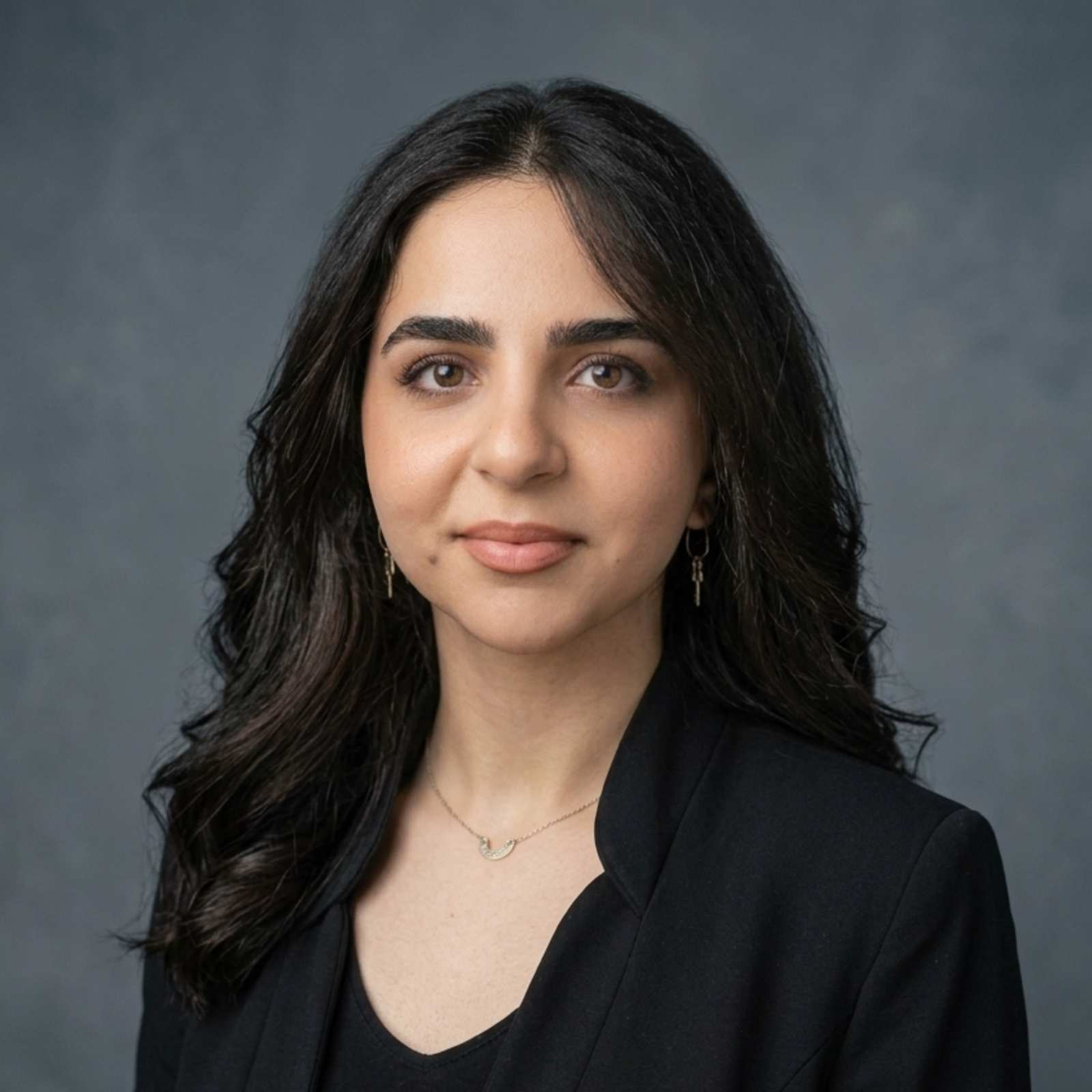
Rayane Mahmoud
Beauty market analyst covering trends, brands, and distribution shifts.