Skyline Beauty Builds Direct-to-Consumer Scale: LilyAna Naturals Acquisition Signals Portfolio Rationalization Strategy

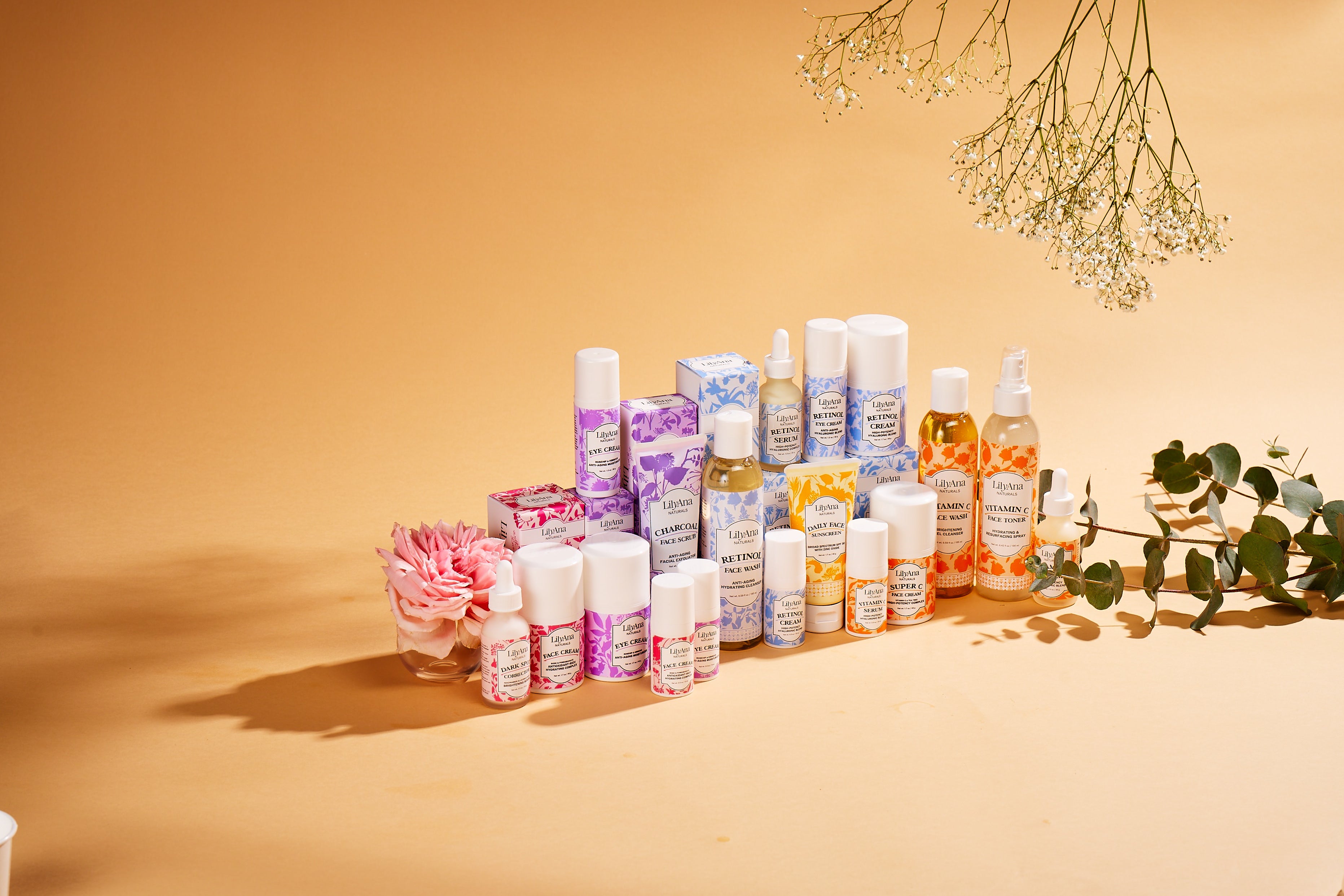
LilyAna Naturals, founded in 2015, built its positioning around clean skincare formulations distributed primarily through Amazon and direct channels, generating an estimated $15M-$20M in annual revenue according to industry sources. The brand's retinol cream and vitamin C serum represent hero SKUs that consistently rank within the top 50 bestsellers in Amazon's facial skincare category, providing Skyline with immediate access to high-velocity product lines that require minimal portfolio integration.
The Aggregator Model Matures Beyond Roll-Up Economics
Skyline's acquisition strategy differs substantively from the first-generation marketplace aggregators that collapsed under debt loads between 2022 and 2023. Where Thrasio and Perch Capital pursued aggressive leverage-fueled roll-ups across disparate product categories, Skyline maintains vertical focus within beauty and personal care — a deliberate constraint that enables operational synergies in formulation development, regulatory compliance, and retail expansion beyond digital channels.
The firm's existing portfolio includes skincare brand Brickell Men's Products, haircare line Blu Atlas, and anti-aging specialist Caldera + Lab, creating a unified distribution architecture that can negotiate improved terms with Amazon, access wholesale partnerships, and reduce customer acquisition costs through shared media buying. This operational integration transforms individual brands from standalone merchants into portfolio assets with compounding infrastructure advantages.
The firm's recent hiring of former Sephora category director Rachel Morrison as Chief Merchant signals intentions to pursue prestige retail partnerships that were previously inaccessible to individual digitally-native brands.
Clean Beauty Positioning Meets Performance Benchmarks
LilyAna Naturals enters Skyline's portfolio at a moment when clean beauty claims require substantiation beyond marketing language — retailers and platforms now demand third-party certifications, supply chain transparency, and clinical validation for efficacy claims. The brand's existing formulations align with Skyline's quality standards while providing immediate revenue contribution without requiring product reformulation or rebranding investments.
The acquisition also addresses a strategic gap in Skyline's portfolio positioning: while Caldera + Lab operates in the premium segment with products exceeding $100 per unit, LilyAna's $20-$40 price architecture captures the masstige consumer seeking accessible clean beauty alternatives. This dual-tier positioning allows Skyline to address multiple customer segments while maintaining brand differentiation across price points.
Distribution Architecture Extends Beyond Amazon Dependency
Industry observers note that Skyline's portfolio companies are systematically reducing Amazon revenue concentration — a strategic imperative as platform fees and advertising costs compress margins for third-party sellers. LilyAna Naturals' existing direct-to-consumer infrastructure provides Skyline with owned customer data and email lists that can be leveraged for retention marketing and new product launches across the broader portfolio.
Industry observers note that Skyline's portfolio companies are systematically reducing Amazon revenue concentration — a strategic imperative as platform fees and advertising costs compress margins for third-party sellers.
The firm's recent hiring of former Sephora category director Rachel Morrison as Chief Merchant signals intentions to pursue prestige retail partnerships that were previously inaccessible to individual digitally-native brands. Morrison's retail relationships could accelerate LilyAna's expansion into specialty beauty doors while maintaining Amazon as a customer acquisition channel rather than the sole distribution pillar.
Portfolio Consolidation Continues As Exit Pathways Narrow
The LilyAna acquisition reflects broader market dynamics facing founder-operated beauty brands built on marketplace infrastructure — private equity interest in sub-$50M revenue brands has contracted significantly, creating liquidity challenges for entrepreneurs seeking exits. Skyline's willingness to acquire profitable brands without requiring nine-figure valuations provides viable exit opportunities while consolidating market share within the digitally-native beauty segment.
As prestige conglomerates like Estée Lauder Companies and L'Oréal pursue strategic portfolio rationalization and divest underperforming brands, aggregators like Skyline occupy a distinct position in the beauty M&A landscape: acquiring profitable digital brands with proven unit economics and converting them into portfolio assets with shared infrastructure. The firm's next twelve months will demonstrate whether this operational integration thesis can generate returns that eluded first-generation aggregators — and whether consolidated digital beauty portfolios can command strategic valuations from larger acquirers seeking direct-to-consumer capabilities.
Martin Jacob
Beauty market analyst covering trends, brands, and distribution shifts.