Setting Spray, $800M in Play: How MCoBeauty's Urban Decay Move Signals a Broader Masstige Distribution Reset

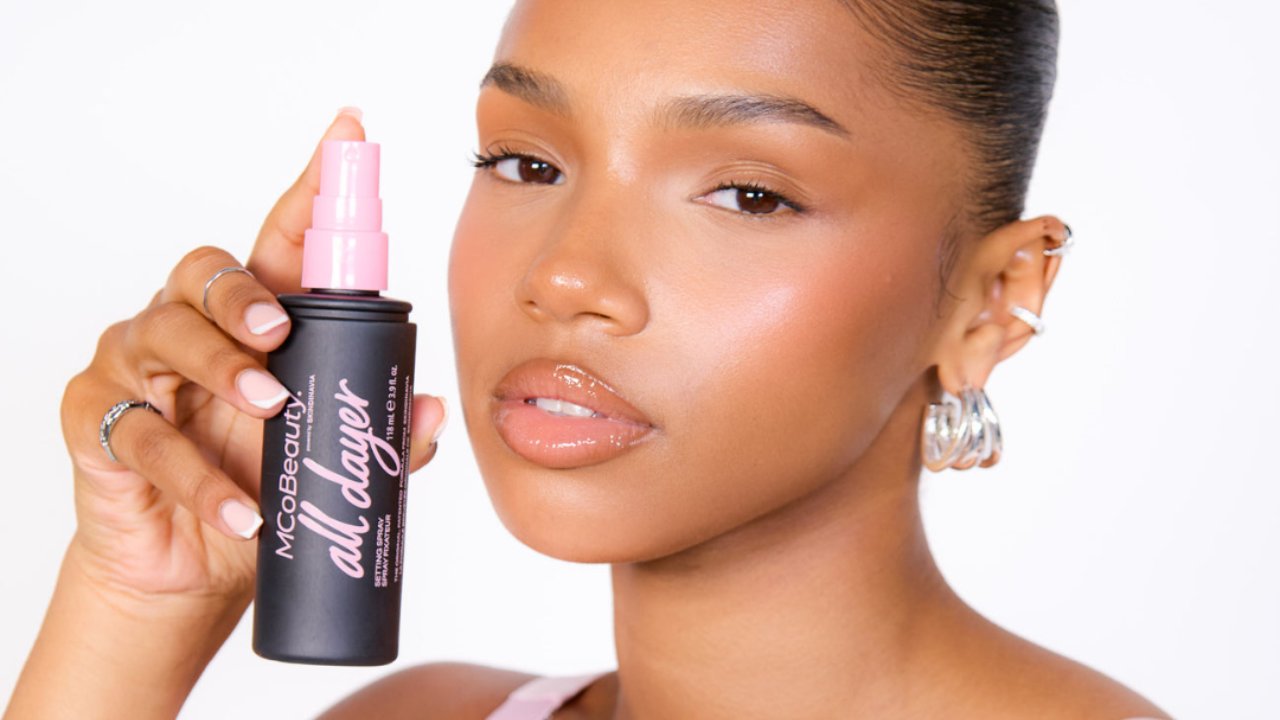
The global prestige color cosmetics market is projected to reach $93.4 billion by 2028, expanding at a CAGR of 6.1 percent, yet the most consequential brand activity in 2024 is not happening at the prestige tier. It is happening at the intersection of masstige positioning and precision distribution architecture, where brands with cult equity but diluted retail footprints are being repositioned, acquired, or quietly retired. MCoBeauty's reported move into the setting spray category, occupying territory long associated with Urban Decay's All Nighter franchise, is a signal worth reading carefully. This is not a product launch. It is a strategic declaration about who owns the accessible performance segment in a market reshaped by post-pandemic channel consolidation and shifting consumer price thresholds.
Distribution Architecture Is the New Brand Strategy
Urban Decay's trajectory under L'Oréal ownership illustrates a tension that every heritage prestige brand now faces: maintaining positioning credibility while defending shelf space against faster, leaner masstige entrants. All Nighter Setting Spray built genuine category authority through Sephora and Ulta placements, but the broader Urban Decay portfolio has undergone visible retrenchment since L'Oréal's strategic consolidation of its luxury division accelerated post-2022. SKU rationalization, reduced promotional investment, and a narrowed retail presence created a functional vacuum at the performance-setting segment. MCoBeauty, operating with an asset-light distribution model optimized for grocery, drug, and mass retail across Australia and increasingly the US, is designed precisely to fill that kind of vacuum at a $12 to $18 price point rather than $36.
Skindinavia, the professional setting spray brand with origins in salon and makeup artist channels, occupies a third position in this triangle. Its distribution architecture has always been deliberately narrow, prioritizing professional credibility over mass penetration. That positioning has protected margins but limited velocity, leaving the brand exposed as the line between professional and mass channels continues to compress.
The Masstige Premiumization Paradox
What makes this category moment analytically interesting is the directional pressure running in two simultaneous streams. Brands like MCoBeauty are moving upmarket in formulation claims and packaging language, borrowing the vocabulary of prestige without the price architecture. Simultaneously, legacy prestige players are rationalizing their portfolios downward in unit economics, reducing complexity to protect operating margins in a high-inflation input environment. The result is a compression zone where brands from opposite ends of the price spectrum are competing for the same consumer occasion with increasingly similar product claims. Premiumization, in this context, is not simply a pricing strategy. It is a repositioning of the value narrative across every touchpoint of the distribution chain.
MCoBeauty CEO Shelley Sullivan has been explicit about the brand's ambition to capture the "Dupe Economy" trade conversation and redirect it toward brand loyalty rather than one-time trial. That is a sophisticated commercial thesis. Whether the distribution architecture in the US market, where MCoBeauty is still establishing mass retail footholds, can support that loyalty loop at scale remains the operative question for any investor evaluating the brand's M&A attractiveness.
Portfolio Reset and the L'Oréal Rationalization Effect
L'Oréal's management of the Urban Decay brand deserves scrutiny as a case study in portfolio reset mechanics. Since acquiring the brand in 2012 for approximately $350 million, L'Oréal has cycled through multiple positioning attempts, from grunge-prestige to accessible luxury, without fully resolving the brand's identity within a portfolio that also houses Lancôme, YSL Beauté, and Giorgio Armani Beauty. The strategic logic of maintaining Urban Decay at its current investment level becomes harder to defend as the brand's core setting spray and eyeshadow categories face structural pressure from both masstige competitors below and repositioned niche players above. A divestiture or licensing restructure would not be surprising within a 24-month window.
Skindinavia's strategic options are narrower but not without value. Its professional channel heritage and clean formulation positioning make it a credible acquisition target for a platform operator seeking to add salon-channel distribution architecture to a broader color or finishing category portfolio.
The Forward View: Channel Compression Accelerates M&A Activity
The setting spray category is generating outsized strategic noise relative to its dollar volume, precisely because it sits at the intersection of every pressure point currently reshaping beauty distribution. As GCC and MENA retail expansion accelerates, driven by Sephora Middle East's aggressive new door openings and the parallel growth of regional mass chains, international brands will face immediate decisions about which tier they compete in and at what price. MCoBeauty's next 18 months in the US and any corresponding APAC consolidation moves will serve as a live test of whether masstige brands built on dupe-adjacent positioning can sustain prestige-adjacent margins. The brands that resolve their distribution architecture before that channel compression intensifies will define the category's competitive map through 2030.
This article references and builds on original reporting by Rachael Griffiths for The Business of Fashion. Read the original piece here: https://www.businessoffashion.com/articles/beauty/mcobeauty-urban-decay-skindinavia-setting-spray/. BeautyScale is a commercial agency; our editorial notes are commentary on industry reporting.
Rami Al Ariss
Beauty market analyst covering trends, brands, and distribution shifts.