California Naturals Kids: A $38.6B Category Entry Signals Portfolio Reset and Distribution Ambition

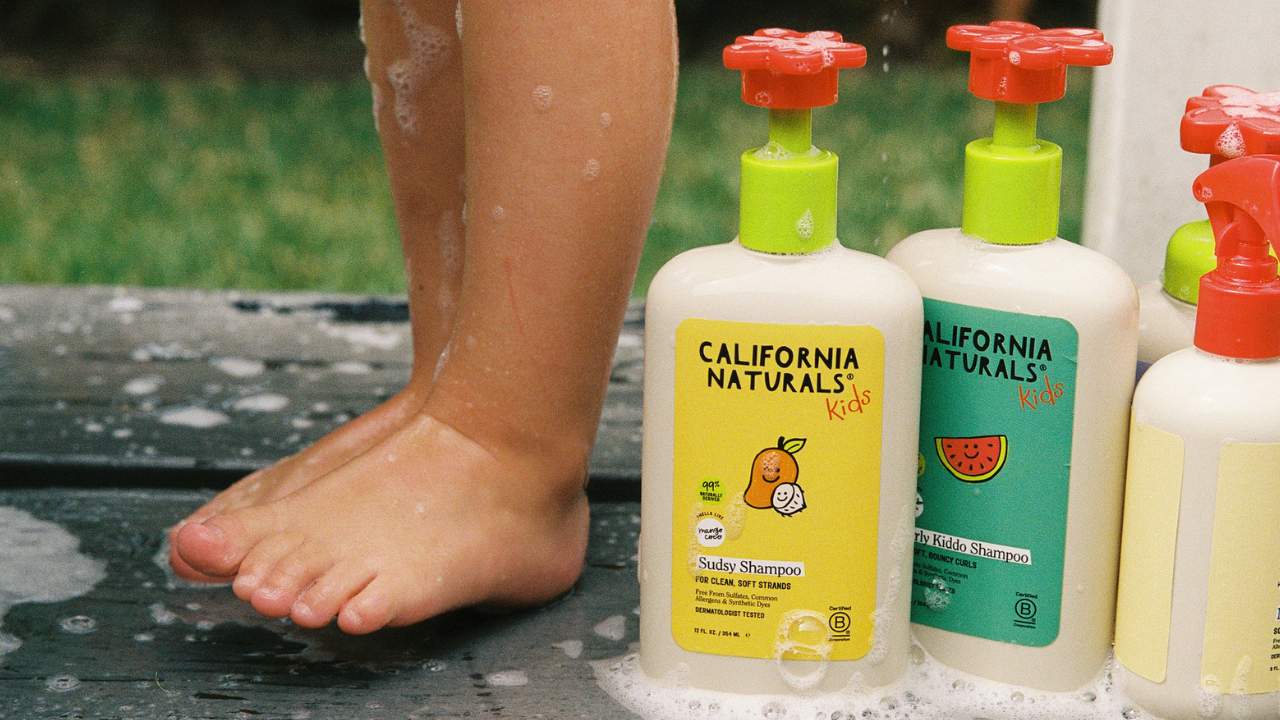
The global kids personal care market is valued at $38.6 billion and expanding at a CAGR that outpaces the broader mass personal care segment, yet the retail shelf remains largely colonized by legacy licensed brands that have not substantively innovated in over a decade. California Naturals is positioning its new kids haircare and body care line not as a category extension but as a structural pivot, one designed to compress the distance between prestige formulation standards and mass price architecture. With a Series B close behind it and Glossier alum Hayden Hiatt installed as CEO, the brand is executing what reads, on close analysis, as a deliberate portfolio reset, expanding from adult haircare into a family-facing platform with clear implications for retail shelf strategy, M&A optionality, and long-term enterprise value.
Distribution Architecture as Competitive Strategy
California Naturals Kids launches across Target, Sprouts, Ulta's website, Amazon, and the brand's direct-to-consumer platform simultaneously, a tiered distribution architecture that maps distinct functions to each channel. Target anchors physical shelf presence and drives the brand's core masstige positioning. Amazon functions as a replenishment and volume channel, with larger format SKUs built specifically for that environment from day one. DTC serves the brand's full assortment visibility, giving the highest-intent consumer access to the complete California Naturals portfolio. This is not incidental channel selection. It reflects a deliberate distribution logic in which each retail touchpoint serves a separate consumer behavior, reducing channel conflict while maximizing total market coverage. Walmart and CVS, where the brand is already present, represent the next probable extension point for the kids line, a move Hiatt has confirmed is already in active discussion.
Masstige Formulation at Mass Price: The Real Differentiation Play
At $11.99 for 12-ounce units, California Naturals Kids prices below the $25 to $30 threshold that indie clean kids brands have historically occupied, while holding formulation credentials, 98% naturally derived, coconut-derived surfactant systems, hyaluronic acid, argan oil, shea butter, that align with the prestige end of the category. This is premiumization executed through formulation rather than price, a model that has proven durable in adjacent mass personal care categories where brands like SheaMoisture established long-term retail relevance. The curl-specific SKUs, Curly Kiddo Shampoo and Curly Kiddo Conditioner, address a segment that founder Shelby Wild estimates at 30% of the kids personal care market, a population historically underserved at mass price points and one that carries strong repeat-purchase behavior. Curl-specific formulation at accessible pricing is a retail differentiation signal that category buyers at Target and beyond are actively seeking.
The Heritage Brand Thesis and Its M&A Implications
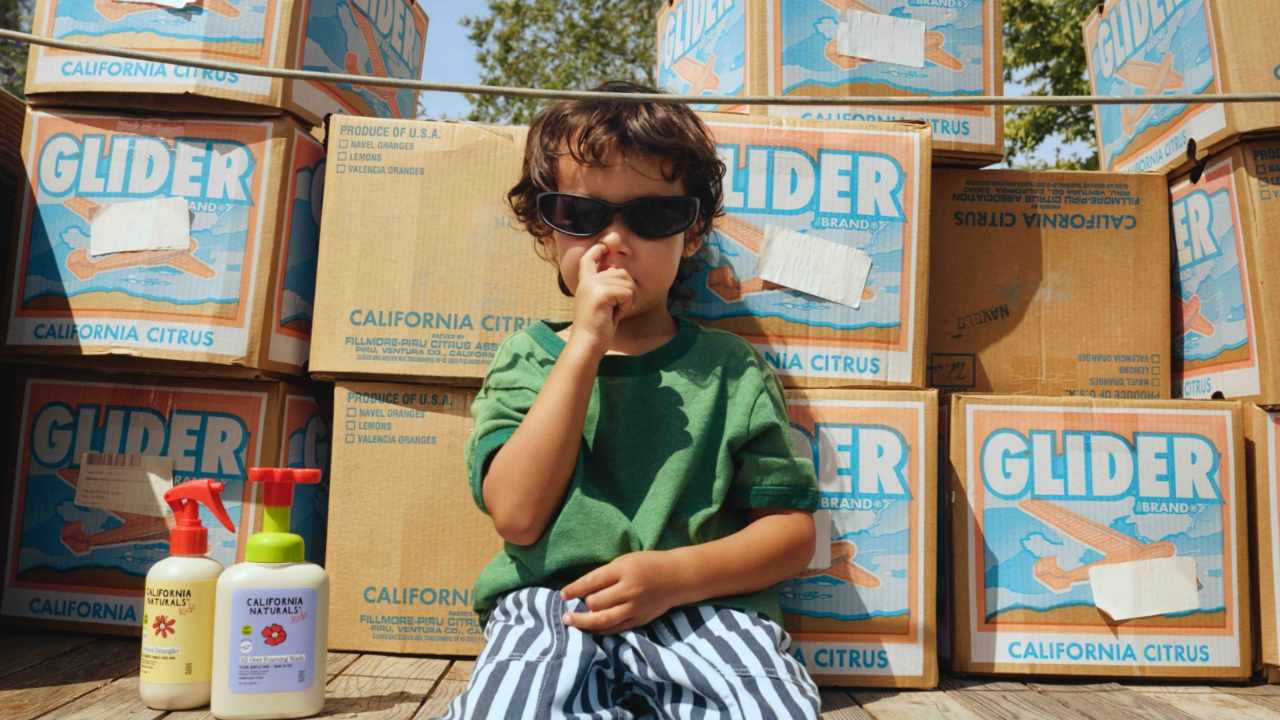
Wild's framing is precise and intentional: "It's not a haircare brand, it's a heritage brand." That language matters in a B2B context because it signals a strategic aspiration toward household penetration across multiple life stages and categories, the same logic that has driven acquirers in the strategic consolidation wave of the past five years. Brands that can demonstrate cross-category household relevance, repeat purchase velocity, and multi-retailer distribution depth command materially higher acquisition multiples than single-category players. Wild, who launched Playa in 2017 before founding California Naturals in 2023, brings category-building credentials that add institutional credibility to that thesis. The appointment of Hiatt, with his Glossier-era scaling experience, reinforces that the brand is building toward a transaction-ready profile, not simply adding a product line.
The Category Timing Is Structural, Not Cyclical
The generational shift in parental purchasing behavior is a durable structural driver, not a trend cycle. Category buyers who are themselves parents, as Hiatt notes, are rejecting the licensed big-box incumbents that dominated their own childhoods in favor of formulation-transparent, ingredient-forward alternatives at accessible price points. This behavioral shift is reshaping shelf resets across Target, Walmart, and Ulta simultaneously. Brands that can enter this window with credible clean formulation credentials, multi-retailer distribution architecture, and scalable price points will capture disproportionate shelf and digital real estate before the category consolidates. California Naturals is positioning to be on the right side of that consolidation, whether as an acquirer adding adjacent SKU sets or as an acquired asset with household penetration metrics that justify a strategic premium. The kids category entry is, at its core, an enterprise value argument dressed in mango and honeysuckle.
This article references and builds on original reporting by Jessica Chia Morris for Beauty Independent. Read the original piece here: https://www.beautyindependent.com/california-naturals-launches-kids-line-as-it-builds-modern-family-brand/. BeautyScale is a commercial agency; our editorial notes are commentary on industry reporting.
Rami Al Ariss
Beauty market analyst covering trends, brands, and distribution shifts.