Sephora's Fragrance Portfolio Reset: Niche International Brands Signal Prestige Positioning Shift

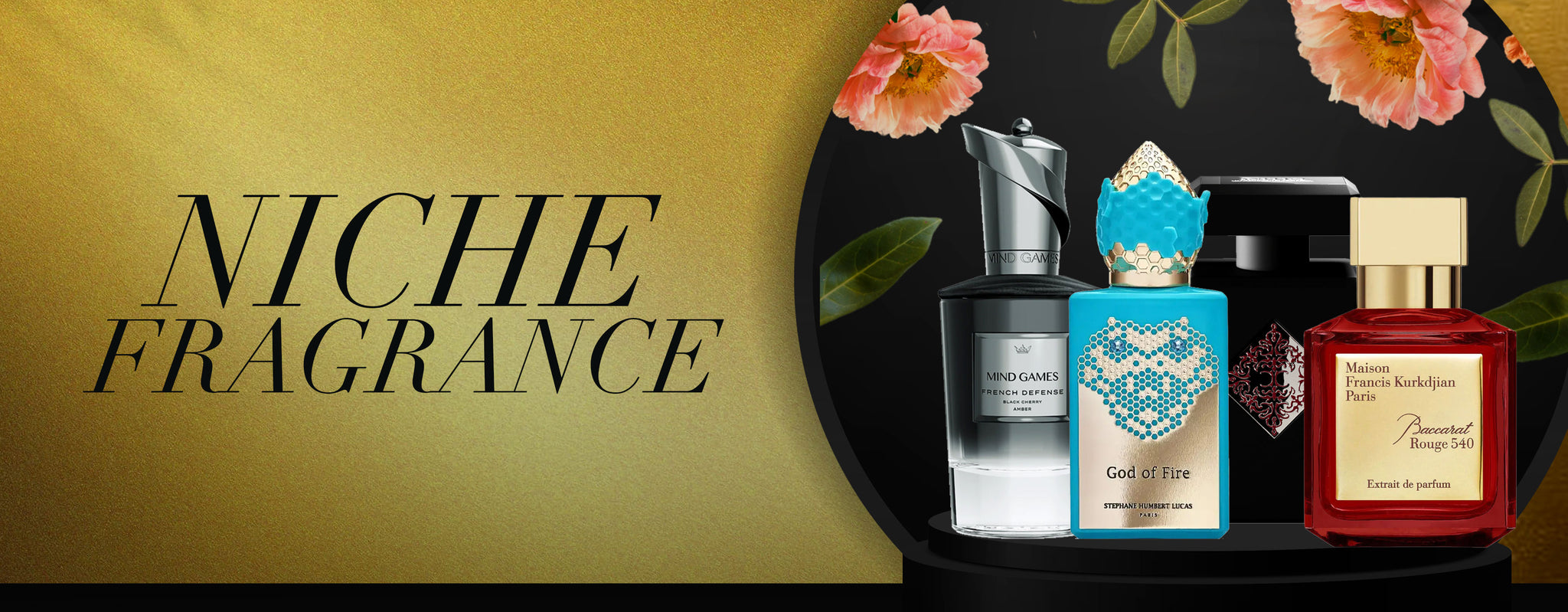
Sephora's recent fragrance assortment additions demonstrate a calculated move toward European and MENA-originated niche houses that blend heritage narratives with contemporary brand positioning. The retailer has introduced brands including Laboratorio Olfattivo, Akro, and Matiere Premiere—houses that typically command $185-$340 price points and emphasize ingredient transparency alongside unconventional olfactive profiles. This represents a departure from Sephora's historical reliance on celebrity-backed launches and mainstream designer licenses, which have faced declining velocity as Gen Z and millennial consumers shift spending toward artisanal propositions. The fragrance category now accounts for approximately 14% of Sephora's total prestige beauty revenue, positioning it as a strategic growth lever amid declining color cosmetics penetration.
Distribution Architecture Mirrors Luxury Retail Playbook
The niche fragrance integration follows Sephora's broader retail strategy of creating tiered discovery experiences within its physical footprint—a model pioneered by luxury department stores like Harrods and Le Bon Marché. Select flagship locations now feature dedicated fragrance ateliers with specialist staff trained in perfume consultation, effectively replicating the boutique experience that independent niche retailers have leveraged for differentiation. This operational investment signals Sephora's recognition that fragrance education and personalized discovery drive conversion in the premium segment, where basket sizes average 3.2x higher than mass fragrance purchases. The distribution play also creates barriers for smaller specialty retailers who lack the capital infrastructure to secure exclusive launches from emerging niche houses seeking rapid North American expansion.
International Brand Partnerships Expand Geographic Relevance
Sephora's niche fragrance curation prioritizes brands with established followings in European and Middle Eastern markets—regions where prestige fragrance penetration reaches 38% compared to North America's 22%. Houses like Kayali, founded by Mona Kattan, and Montale Paris bring existing brand equity from GCC markets where fragrance gifting and layering rituals drive significantly higher per-capita spending than Western markets. This geographic diversification strategy positions Sephora to capture immigrant and expatriate communities in North American metros who seek familiar international brands, while simultaneously introducing domestic consumers to olfactive profiles shaped by non-Western perfumery traditions. The cross-pollination creates a cultural authority in fragrance that transcends Sephora's traditional role as a mass-prestige aggregator.
Industry Implications: Masstige Retailers Must Elevate Curation
Sephora's niche fragrance offensive establishes a new competitive threshold for masstige beauty retailers, forcing category reassessment among competitors like Ulta Beauty and Bluemercury who have historically deprioritized fragrance discovery. The strategic positioning suggests that fragrance will serve as a key traffic driver and basket-building category as color cosmetics face prolonged headwinds—fragrance purchases demonstrate higher repeat rates and lower return percentages than makeup SKUs. Independent niche retailers now face margin compression as Sephora's buying power enables competitive pricing on previously exclusive brands, while prestige department stores must defend their historical fragrance authority against a retailer with superior data infrastructure and younger demographic penetration. The portfolio reset ultimately signals that fragrance premiumization represents one of the few sustainable growth vectors in prestige beauty's increasingly saturated North American landscape.
Martin Jacob
Beauty market analyst covering trends, brands, and distribution shifts.