Sephora's F1 Academy Partnership: A $2.8B Play for Male Beauty Distribution

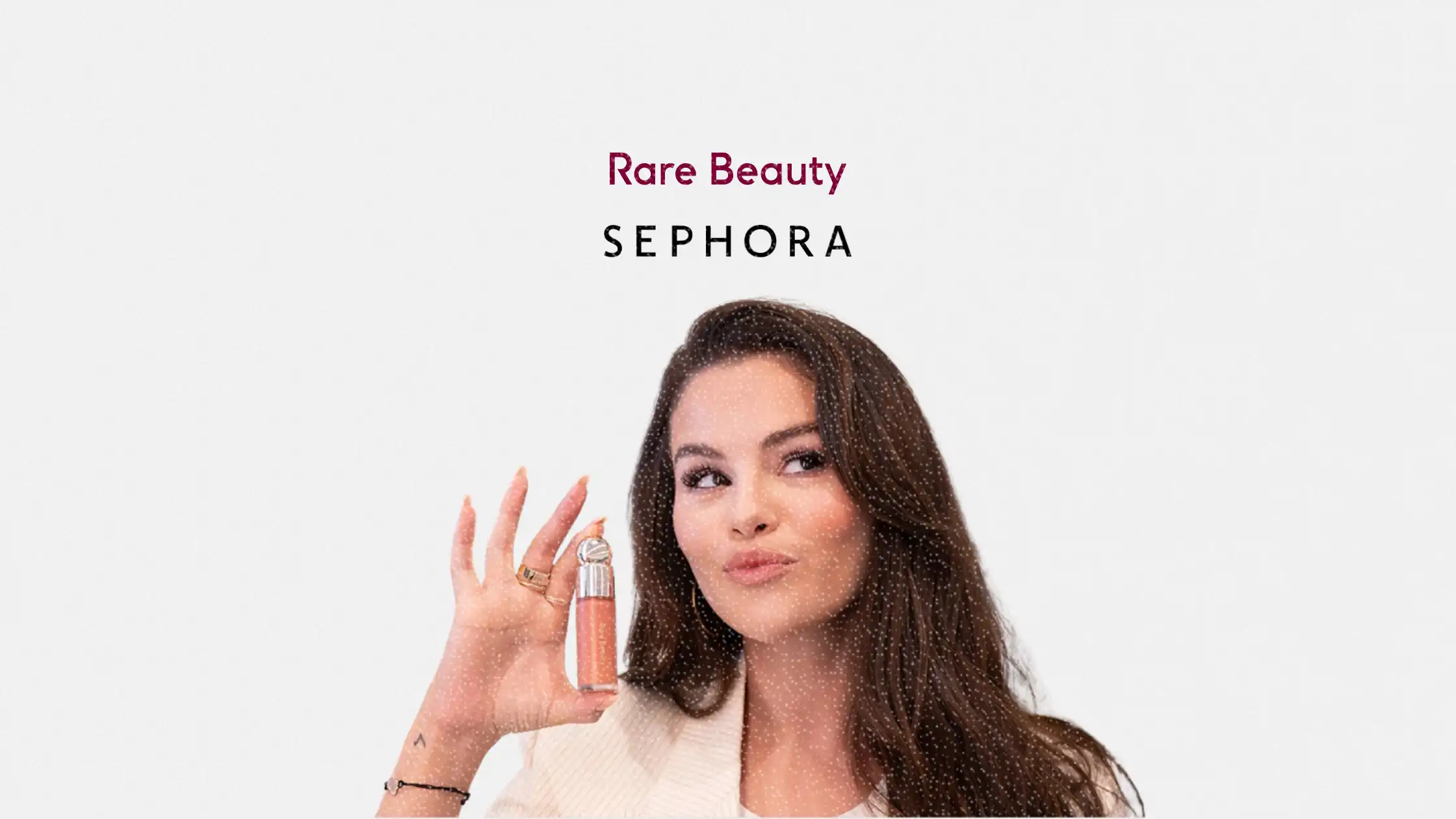
The partnership arrives as the global men's grooming and cosmetics market accelerates toward $115B by 2028—compound annual growth rate of 7.2%—with prestige channels capturing an increasing share of male consumer spending previously dominated by mass retailers. Sephora's F1 Academy investment reflects a calculated distribution architecture play: leveraging motorsport's 70% male viewership demographic to normalize prestige beauty purchasing behavior among a consumer cohort historically resistant to in-store Sephora traffic.
Strategic Consolidation of Sports Marketing and Beauty Retail
F1 Academy reaches 4.2M viewers per race weekend across broadcast and digital platforms, with demographic skew toward 18-34 male audiences in high-GDP markets including UAE, Singapore, and UK. Sephora's activation strategy centers on paddock retail pods—temporary brand installations offering skincare consultations, SPF product sampling, and post-race recovery treatments—designed to reframe prestige beauty consumption as performance-adjacent rather than cosmetic-focused. Kevin Schwartz, Sephora's Chief Marketing Officer for EMEA, confirmed the retailer will deploy 12-person teams across each race location, staffed with male-identifying beauty advisors trained in athletic skincare protocols.
The partnership includes product placement integration with all five F1 Academy drivers, who will feature Sephora Collection skincare and sun protection in behind-the-scenes content distributed across TikTok and Instagram to a combined follower base exceeding 8M. This influencer-athlete hybrid model mirrors successful prestige beauty plays in NBA and Premier League partnerships, where male athletes normalize skincare routines as part of professional performance regimens rather than grooming vanity.
Portfolio Rationalization Through Male Beauty Category Expansion
Sephora's F1 Academy deal accelerates the retailer's broader portfolio reset toward gender-neutral and male-targeted beauty assortments launched in Q4 2023. The retailer expanded dedicated men's skincare footage by 40% across flagships in Dubai Mall, Westfield London, and Marina Bay Sands, introducing 18 new brand partnerships including Lab Series, Biossance Men, and Shiseido Men. F1 Academy sponsorship provides experiential validation for this product architecture expansion, creating a narrative bridge between motorsport performance demands and prestige skincare necessity.
The strategic calculus centers on customer lifetime value expansion: male beauty consumers demonstrate 22% higher basket values and 31% greater cross-category purchasing when introduced to prestige retail through sports or performance marketing channels, according to NPD Group's 2023 prestige beauty tracker. Sephora's F1 Academy activations prioritize SPF, post-shave recovery, and anti-fatigue eye treatments—gateway categories that drive repeat purchasing and category exploration beyond initial trial.
Distribution Architecture Implications for Prestige Beauty
Sephora's motorsport partnership establishes a precedent for prestige beauty retailers seeking male consumer acquisition outside traditional department store and standalone boutique channels. The F1 Academy deal represents a $2.8M annual marketing investment—modest relative to Sephora's $840M global marketing spend—but delivers disproportionate brand positioning value by associating prestige beauty with elite athletic performance rather than aspirational lifestyle marketing.
The partnership positions Sephora to capture early-mover advantage as competitor prestige retailers including Ulta Beauty, Bluemercury, and Space NK evaluate similar sports marketing plays. As male beauty penetration accelerates across GCC and APAC markets—regions where motorsport commands premium cultural capital—Sephora's F1 Academy integration provides a replicable activation framework for prestige retailers pursuing gender diversification without portfolio dilution.
The industry implication extends beyond immediate sales lift: Sephora's F1 Academy partnership validates experiential retail as the primary customer acquisition channel for male prestige beauty consumers who resist traditional in-store browse behavior, establishing a new distribution playbook for the $115B men's beauty market through 2028.
Martin Jacob
Beauty market analyst covering trends, brands, and distribution shifts.