Scarcity as Strategy: How Niche Fragrance Brands Command $6.1B Through Selective Distribution
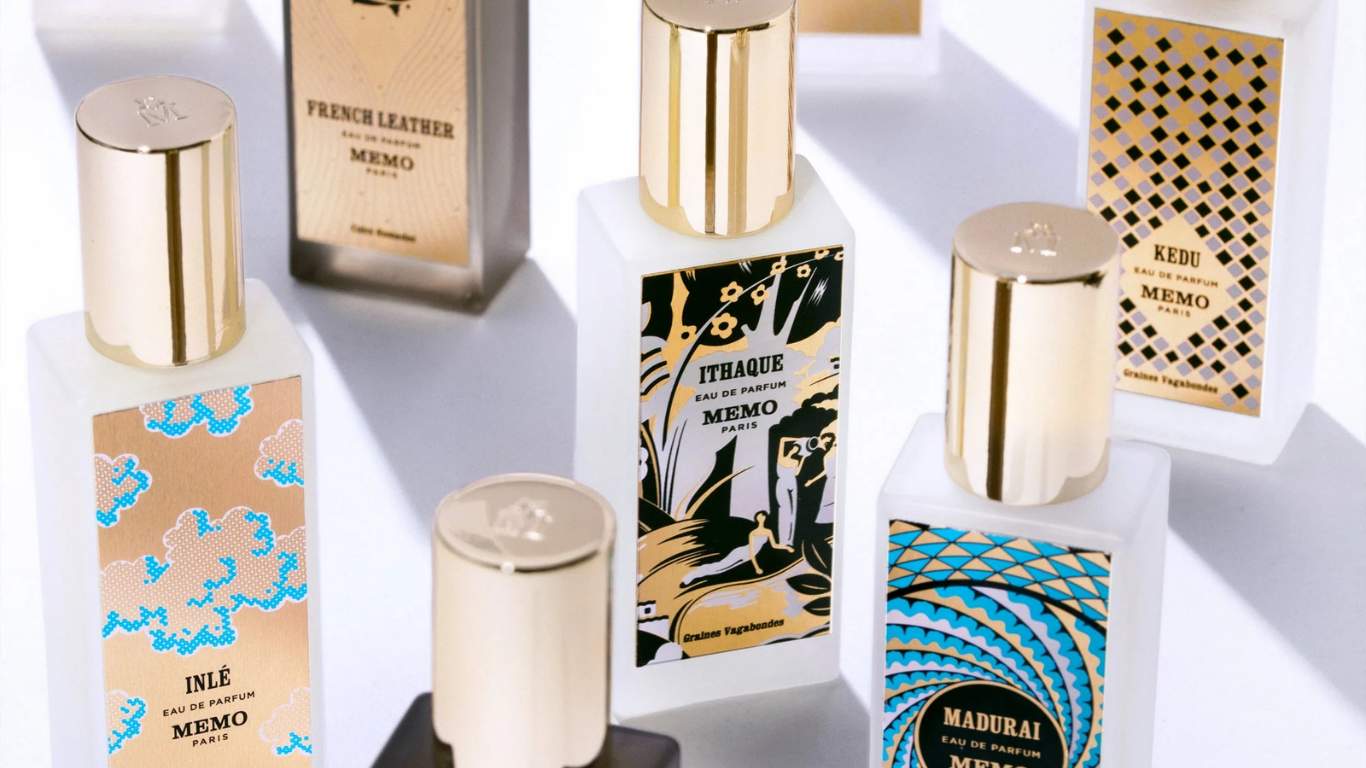
The global niche fragrance segment crossed $6.1 billion in 2023 and is tracking toward a compound annual growth rate of 10.8% through 2028, driven less by product innovation than by deliberate scarcity architecture. Memo Paris' exclusive release of Omnia Omnibus Ubique — a 75ml unisex fragrance retailing at £250, co-designed with British fashion designer Giles Deacon — is not merely a limited edition launch. It is a calculated positioning move at the intersection of prestige retail, cultural IP licensing, and distribution control. For brand strategists and investors watching the niche-to-prestige trajectory, this collaboration encodes a model worth dissecting.
---
Retail Exclusivity Is Distribution Strategy, Not Just PR
Single-door exclusives at flagship prestige accounts have emerged as one of the most defensible tools in niche fragrance brand-building. By anchoring Omnia Omnibus Ubique entirely within Harrods — the £2 billion-turnover Knightsbridge institution that serves as a first port of call for high-net-worth consumers across the GCC, MENA, and APAC — Memo Paris secures meaningful halo without the margin erosion that comes with broad wholesale expansion.
This is a deliberate rejection of the multi-door rollout model. For a brand at Memo's stage — premium, independently positioned, with an audience that responds to editorial scarcity — concentration beats coverage. The Harrods account functions simultaneously as a distribution point, a brand validation signal, and a media asset.
---
The Creative Collaboration as Prestige Architecture
The appointment of Giles Deacon as label designer, facilitated through Sarah Andelman — founder and creative director of the now-iconic Paris concept store Colette — is not incidental. Andelman has functioned as a cultural connector across fashion, beauty, and luxury since Colette's 2017 closure, and her involvement signals that Memo Paris is operating within a network that transcends fragrance category lines.
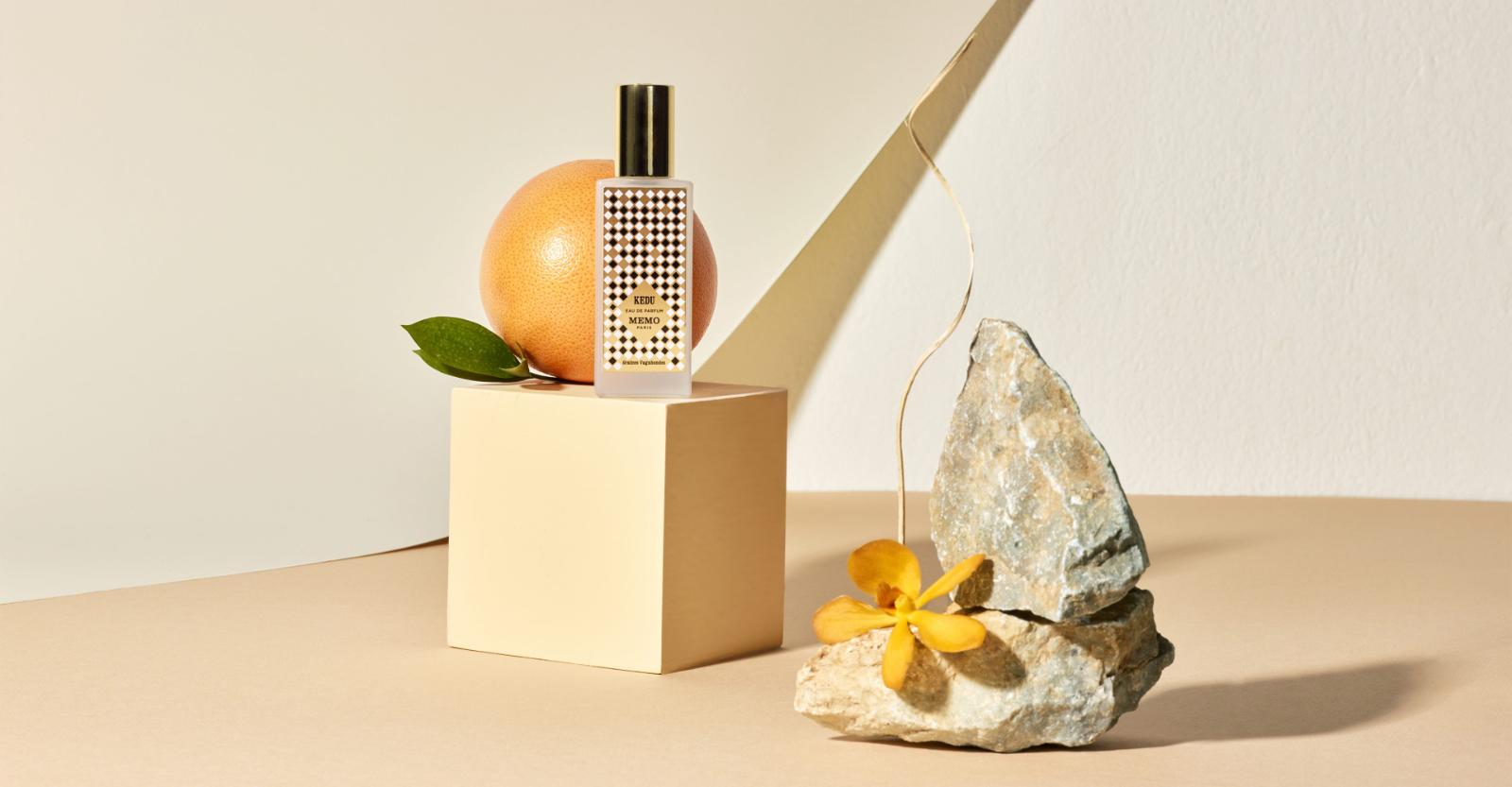
Deacon's label design, rooted in the Art Nouveau ceramic work of William James Neatby that still lines Harrods' Food Hall, executes something strategically precise: it transforms a retail-exclusive fragrance into an object of cultural specificity. Perfumer Gaël Montero's fourth collaboration with the brand — built around iris butter, floral oud, and creamy musk — reinforces Memo's house signature of landscape-as-narrative, with Clara Molloy, the brand's co-founder and artistic director, directing Montero toward "a silky oud within a landscape of stone, glass, and gilding."
The brief was architectural. The result is a fragrance that functions as wearable institutional heritage — precisely the kind of product that drives full-price sell-through and resists promotional pressure.
---
Premiumization Signals and the £250 Price Ceiling
The £250 price point — approximately $315 at current exchange — positions Omnia Omnibus Ubique at the upper threshold of accessible prestige, well above the masstige corridor ($60–$120) and within a tier increasingly occupied by niche houses competing for wallet share with legacy couture fragrance lines. LVMH's Parfums Rares, Estée Lauder Companies' Le Labo, and Puig-owned Penhaligon's have all demonstrated that the $200–$400 niche ceiling sustains strong repeat purchase behavior among fragrance enthusiasts — a consumer cohort that indexes disproportionately for lifetime value.
For Memo Paris specifically, the single SKU, single-size strategy (one 75ml configuration, no flankers) eliminates range complexity while maximizing perceived scarcity. This is premiumization executed with precision: fewer decisions for the consumer, higher perceived value per unit, and no discounting pathway.
---

What This Signals for Independent Niche Houses
The broader strategic read is this: independent niche fragrance brands approaching Series A conversations or strategic partnership discussions should treat retail exclusivity agreements with tier-one accounts — Harrods, Bergdorf Goodman, Le Bon Marché, Joyce in APAC — as balance sheet assets, not merely distribution footnotes. These agreements demonstrate pricing power, audience quality, and brand control, all of which are material to valuation in any M&A or minority investment scenario.
Memo Paris, which has expanded its presence across GCC travel retail and MENA flagships over the past 24 months, is building a portfolio architecture that speaks to acquirers. As strategic consolidation accelerates among mid-market fragrance platforms — Puig, L Catterton-backed houses, and emerging Gulf-based beauty conglomerates are all actively scanning — the brands that command exclusive placements at Harrods do not negotiate from weakness.
Omnia Omnibus Ubique translates as "all things for all people, everywhere." The distribution strategy it represents argues the opposite: the right things, for the right people, precisely placed.
Ruth Estabillo
Beauty market analyst covering trends, brands, and distribution shifts.