Sally Beauty's $3.5B Turnaround: How CEO Denise Paulonis Is Redesigning 4,000 Stores to Beat TikTok Shop

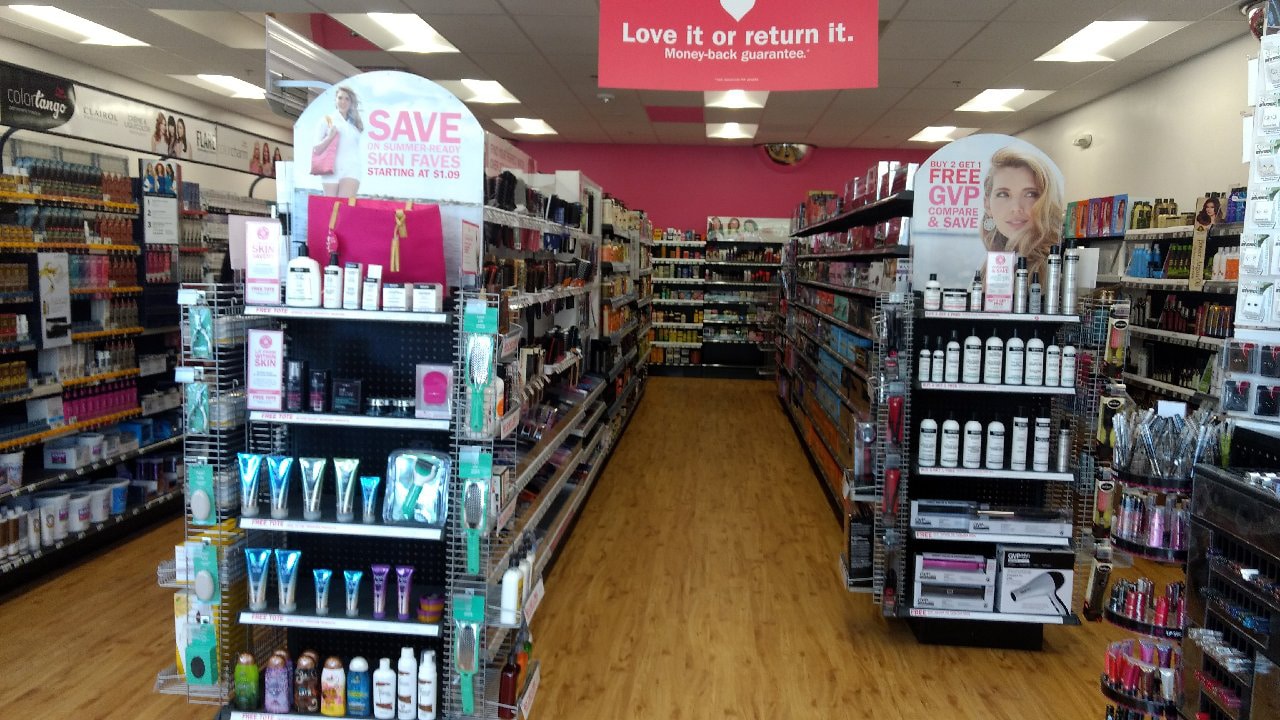
Paulonis is deploying a three-pronged store redesign that prioritizes visual merchandising, interactive testing zones, and professional consultation services within the existing footprint. The new format allocates 40% of floor space to color cosmetics and trend-driven categories—a significant shift from Sally Beauty's historical SKU density model that prioritized inventory depth over discovery. "We're not competing on assortment breadth anymore; TikTok Shop and Amazon have infinite virtual shelf space," Paulonis stated during a February investor presentation, articulating the company's pivot toward curated selection and in-store expertise as competitive moats against digital-native platforms.
The redesigned stores feature dedicated "Color Lab" stations where customers can test hair color formulations under salon-quality lighting, addressing a critical pain point in online beauty purchasing where shade accuracy remains a persistent friction point. Sally Beauty has installed these experiential zones in 320 stores as of Q1 2025, with plans to scale the format to 1,200 locations by year-end—a deployment velocity that signals confidence in early performance metrics. Paulonis reported that redesigned stores are generating 12-15% comparable sales lifts in the first six months post-renovation, driven primarily by increased basket size rather than traffic growth, indicating that the format is successfully premiumizing the existing customer base.
Private Label as Margin Defense
Sally Beauty is simultaneously expanding its owned-brand portfolio to combat margin compression from promotional dynamics on TikTok Shop, where viral beauty products frequently trigger race-to-bottom pricing among third-party sellers. The company has launched four new private label lines in the past 12 months, including Ion Luxe—a prestige-positioned hair care collection retailing at $18-24 per unit—and ColorXpress, a semi-permanent color line targeting Gen Z consumers who cycle through trends discovered on social platforms. These owned brands now represent 38% of total sales, up from 31% in 2022, and deliver gross margins 18-22 percentage points higher than third-party brands, providing critical profitability cushion as the company invests heavily in store renovations.
Paulonis characterizes the private label strategy as "intercepting purchase intent at the point of inspiration"—enabling Sally Beauty to merchandise trending formulations and shade stories without waiting for third-party brand partners to navigate their own product development cycles. This agility advantage is particularly relevant in color cosmetics categories where TikTok-driven virality compresses trend lifecycles from 18 months to 8-12 weeks, rendering traditional brand launch calendars obsolete for fast-moving retailers.
The Professional Stylist Retention Play
The store redesign simultaneously reinforces Sally Beauty's positioning with licensed cosmetologists, a customer segment responsible for 42% of revenue but increasingly vulnerable to defection toward professional-only distributors and Amazon Business accounts offering consolidated procurement. Paulonis has introduced a tiered loyalty program that provides professional stylists with exclusive early access to new product launches, expanded return windows, and dedicated checkout lanes in redesigned stores—benefits designed to preserve Sally Beauty's professional credentials while expanding its consumer appeal. The company is testing appointment-based consultation services in 75 locations, allowing stylists to book private shopping sessions with Sally Beauty's in-store beauty advisors, effectively transforming retail associates into quasi-educational resources that digital platforms cannot easily replicate.
Strategic Implications for Legacy Beauty Retail
Sally Beauty's simultaneous investment in physical infrastructure and private label acceleration represents a counter-narrative to the prevailing retail consolidation thesis that favors digital-first distribution architectures. If Paulonis delivers sustained comparable sales growth through 2026, the playbook validates a hybrid model where physical stores serve as experiential conversion engines that capture demand generated by social platforms—positioning legacy retailers as the fulfillment layer for TikTok's discovery mechanism rather than direct competitors. The strategic question for the broader beauty retail landscape: whether Sally Beauty's capital intensity can scale profitably, or if the $150M renovation commitment will ultimately prove insufficient against platforms operating without physical cost structures.
Martin Jacob
Beauty market analyst covering trends, brands, and distribution shifts.