Remedy Science by Dr. Muneeb Shah: Inside a $6.2B Opportunity to Redefine Dermatologist-Founded Prestige

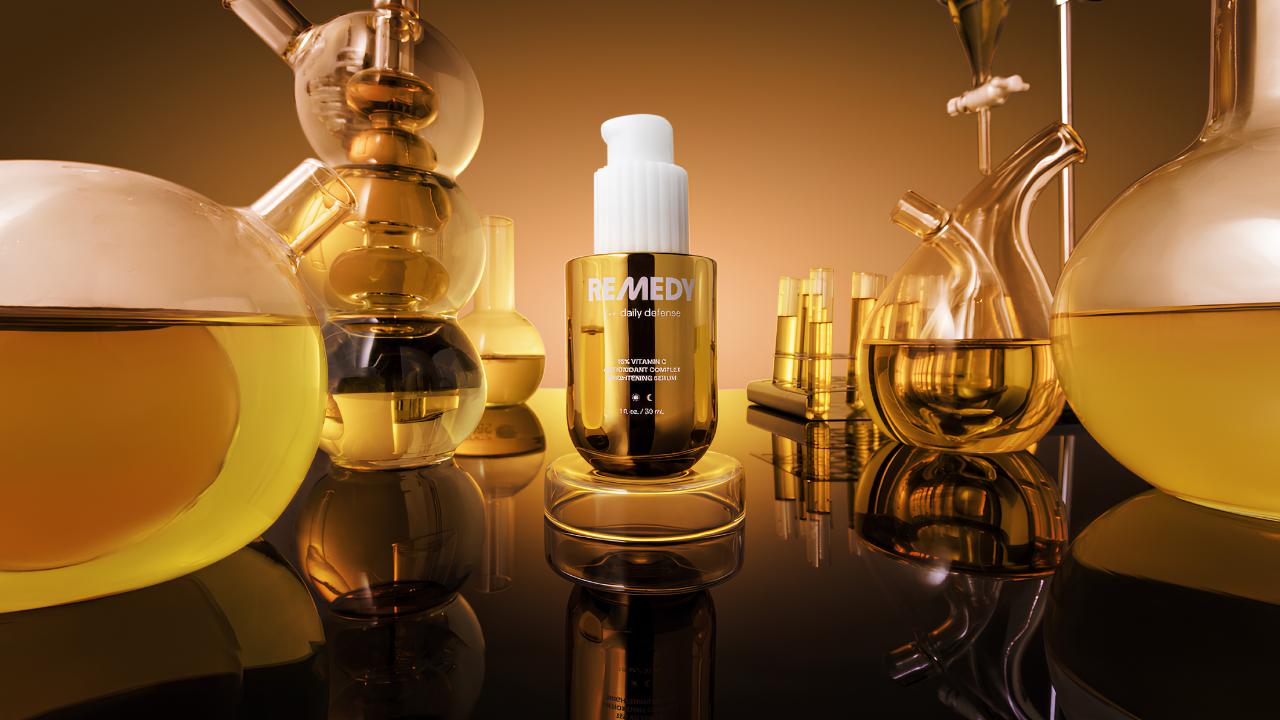
The global dermocosmetics market is projected to reach $62.4 billion by 2030, compounding at a 6.8% CAGR, and the most aggressive growth corridor sits squarely at the intersection of clinical credibility and accessible price architecture. Remedy Science, the skincare line founded by Dr. Muneeb Shah, known widely through his @DermDoctor platform and the Doctorly franchise, enters this competitive field with structural advantages that extend well beyond formulation. The brand's core thesis, that dermatological efficacy should not be gated behind luxury price points, positions it as a direct challenger to both mass-market commoditization and the opacity of prestige incumbents. For brand strategists, retail buyers, and M&A analysts tracking the next wave of dermatologist-founded consolidation targets, Remedy Science warrants a close read.
The Credentialed Founder as Distribution Architecture
Dr. Shah's existing media infrastructure is not a marketing asset. It is a distribution architecture. With a creator footprint that reaches tens of millions of skincare consumers across TikTok and Instagram, the brand enters the market with pre-built consumer trust that most emerging labels spend years and significant capital trying to construct. This dynamic fundamentally compresses customer acquisition costs and positions Remedy Science for retail conversion rates that would be atypical for a brand at its stage. Retail partners evaluating the brand are not simply buying a product portfolio. They are buying a credentialed audience pipeline.
The comparison class here includes Ro, Curology, and Obagi, though Remedy Science's distribution model diverges meaningfully. Rather than operating behind a prescription or telehealth wall, the brand is designed for open-access retail, which broadens the total addressable market and signals an intent to scale through masstige positioning rather than clinical exclusivity.
Portfolio Architecture Built for Premiumization
Remedy Science's formulation philosophy, centered on efficacious actives, fragrance elimination, and allergen avoidance, reflects the same quality framework that has propelled brands like La Roche-Posay and CeraVe into dominant market positions. Both were acquired by L'Oreal and subsequently scaled through strategic retail distribution, a playbook that is well understood by the category's largest strategic buyers. Remedy Science's current standards, no common allergens, no fragrances, no animal testing, map precisely onto the compliance checklist that major retail chains and international regulatory environments increasingly require.
The brand's refusal to rely on what it characterizes as marketing promises over meaningful information represents a deliberate portfolio reset relative to the broader prestige skincare market, where ingredient complexity and aspirational branding have historically substituted for clinical substantiation. This positioning is particularly relevant in the GCC and MENA, where dermatologist endorsement carries outsized influence on consumer purchasing behavior and where the gap between clinical-grade and mass-market product is widening commercially.
The M&A Calculus for Strategic Buyers
Dermatologist-founded brands have demonstrated a consistent acquisition premium over the past decade. Peter Thomas Roth, Alastin Skincare, and Skinbetter Science all transacted at multiples that reflected the clinical credibility embedded in their brand equity, not simply their revenue at time of sale. Remedy Science fits a profile that strategic acquirers in the APAC region, Europe, and North America have been systematically targeting: founder-led, clinically anchored, with a scalable content flywheel that reduces dependency on paid media.
The absence of common irritants and the commitment to no animal testing also smooth the regulatory and retail pathway into the EU and UK markets post-Brexit, where ingredient restriction frameworks have tightened considerably. For a strategic buyer with existing distribution infrastructure in those markets, the cost of onboarding a brand already formulated to those standards is substantially lower than reformulating an acquired asset after the fact.
A Forward Position in the Credentialed Skincare Cycle
The broader industry is moving toward what analysts at Euromonitor and Mintel have termed the "clinical credibility cycle," a phase in which consumer trust increasingly routes through professional validators rather than editorial or influencer channels. Dr. Shah's platform, built on transparent product review and accessible dermatological education, positions Remedy Science at the front of that cycle rather than reacting to it. Brands that arrive at this shift with both the credentialed founder and the compliant product architecture will compress the typical five-to-seven-year brand-building timeline by a material margin.
The most consequential question for retail buyers and strategic investors is not whether Remedy Science can sustain its clinical positioning. The question is how quickly it can scale distribution architecture before a larger strategic buyer determines that acquisition is more efficient than competition.
This article references and builds on original reporting by remedyskin.com. Read the original piece here: https://remedyskin.com/pages/about. BeautyScale is a commercial agency; our editorial notes are commentary on industry reporting.
Martin Jacob
Beauty market analyst covering trends, brands, and distribution shifts.