Priced at $225 and Built to Last: How D.S. & Durga's Distribution Architecture Positions It as an Acquisition Target in a $58B Fragrance Market

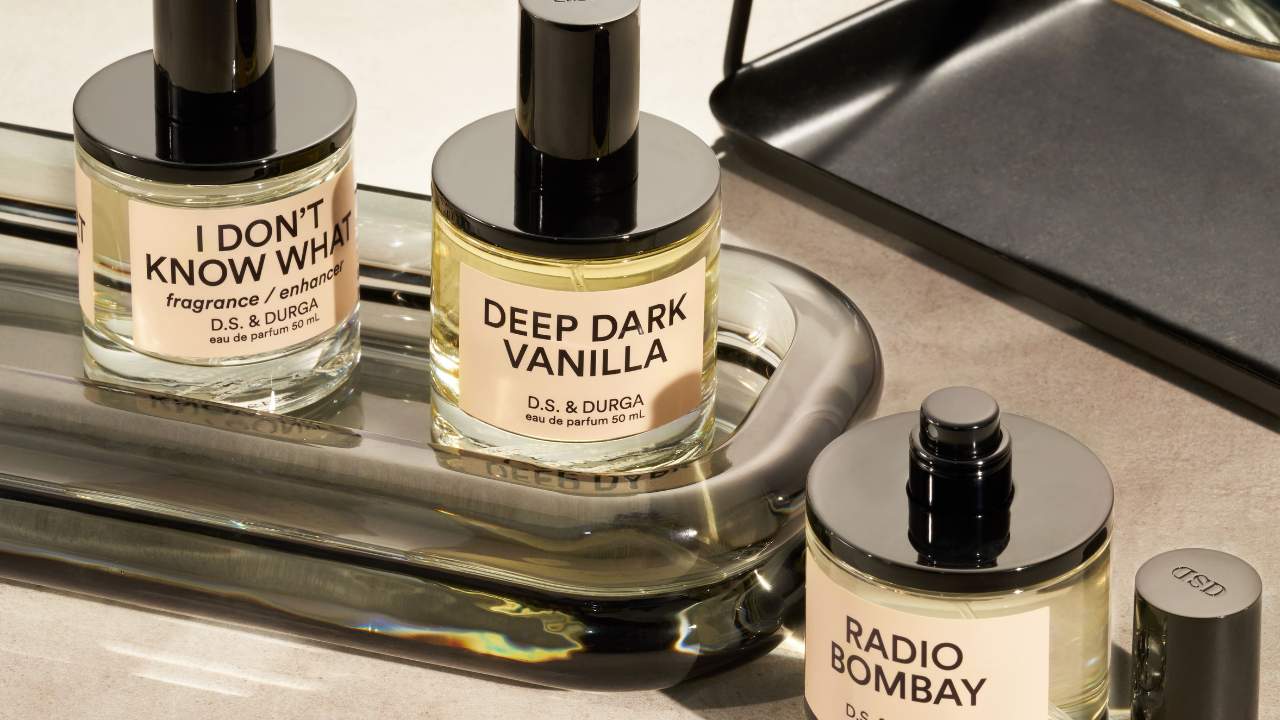
The global prestige fragrance market is projected to reach $58 billion by 2027, growing at a CAGR of 6.4 percent, and independent niche houses are capturing a disproportionate share of that expansion. D.S. & Durga, the Brooklyn-founded label co-created by David Seth Moltz and Kavi Moltz, has quietly assembled a portfolio and physical retail footprint that reads less like a passion project and more like a deliberate prestige positioning play. With eau de parfum pricing anchored firmly at $225 for 50mL and extending to $300 at 100mL, the brand's price architecture sits comfortably inside the sweet spot that acquirers from LVMH Fragrance Brands to Estée Lauder Companies have historically targeted during strategic consolidation cycles.
The Price Architecture Is a Strategic Signal, Not an Accident
At $225 for a 50mL eau de parfum, D.S. & Durga occupies a price corridor that sits above masstige thresholds but below ultra-niche ceiling prices commanded by houses like Roja Parfums or Clive Christian. This positioning is intentional and analytically significant. The brand's entry point, a $40 customizable sample set, functions as a low-friction acquisition funnel, converting trial consumers into full-price buyers through a bundling mechanic that applies sample spend as credit toward full-size bottles. That structure reduces churn, compresses the consideration window, and generates behavioral data on conversion rates across SKUs, precisely the kind of retention architecture that due diligence teams scrutinize during M&A processes.
The 10mL travel format at $80 per unit further reinforces pricing discipline. On a per-milliliter basis, the 10mL sits at $8.00 versus the 50mL's $4.50, reflecting a premium travel multiplier that the brand's core consumer consistently absorbs. This tiered pricing ladder demonstrates elasticity management at a level of sophistication rarely seen in founder-led independent houses.
Four Flagships, One Clear Retail Strategy
D.S. & Durga operates flagships in Brooklyn, Nolita, Silver Lake, and Venice. That geographic clustering across New York and Los Angeles is not coincidental retail expansion. It maps directly onto the two highest-concentration ZIP codes for prestige fragrance consumption in North America, where household incomes and fragrance category engagement indices both skew significantly above national medians. For a potential acquirer evaluating distribution architecture, owned retail in these markets signals brand health metrics that wholesale-only distribution cannot replicate: direct consumer data capture, full margin retention, and editorial control over the in-store experience.
The brand's stockist network supplements these flagships without diluting them. That separation between owned experience and third-party distribution reflects a premiumization discipline that many niche houses sacrifice prematurely in pursuit of revenue velocity.

The Portfolio Reset Opportunity for a Strategic Buyer
D.S. & Durga's fragrance naming conventions, Resurrected Corpse Flower, Debaser, I Don't Know What, position the brand within the cultural fragrance movement that has driven double-digit growth in the niche segment since 2020. This naming architecture carries significant brand equity implications for any acquirer pursuing a portfolio reset within an existing fragrance stable. A conglomerate holding conventional department-store fragrance brands could deploy D.S. & Durga as a halo property, using it to elevate the perceived prestige of adjacent launches without cannibalizing core portfolio SKUs.
The Gothic Gourmands gifting set, priced at $180 for three 10mL formats, also points toward a seasonally engineered revenue layer that reduces dependence on evergreen hero SKUs. From an EBITDA modeling perspective, this gifting architecture smooths revenue concentration risk, a variable that materially affects acquisition multiples in beauty M&A transactions.
What Comes Next for Independent Niche Fragrance
The strategic window for independent niche fragrance acquisitions is narrowing. As major fragrance groups accelerate their consolidation mandates and as consumer demand for olfactory storytelling continues to outpace conventional category growth, founder-led houses with coherent distribution architecture, disciplined pricing, and culturally legible brand identities will command premium acquisition multiples. D.S. & Durga, generating revenue across DTC, owned retail, and curated wholesale simultaneously, has constructed exactly the kind of multi-channel architecture that reduces integration risk for a buyer and maximizes optionality for its founders.
The question for the broader prestige fragrance market is no longer whether independent niche houses at this price point attract strategic interest. It is which consolidator moves first, and at what multiple above revenue the category ultimately clears.
This article references and builds on original reporting by dsanddurga.com. Read the original piece here: https://www.dsanddurga.com/. BeautyScale is a commercial agency; our editorial notes are commentary on industry reporting.
Nya Ravel
Beauty market analyst covering trends, brands, and distribution shifts.