Prestige Ingredients, Mass Price Points: How YEOUTH's $20-$35 Portfolio Signals a $7.4B Masstige Inflection

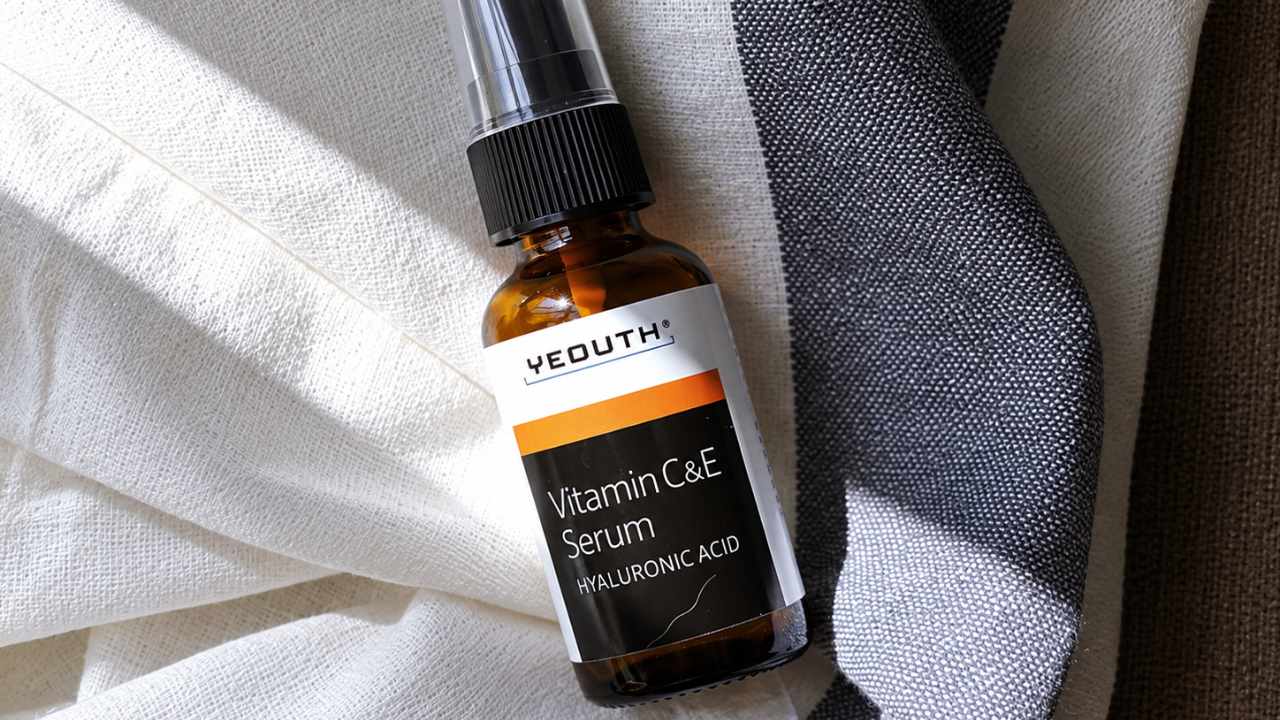
The global facial oil market is projected to reach $7.4 billion by 2028, expanding at a CAGR of 6.2%, and the most disruptive pressure within that growth curve is not coming from prestige conglomerates. It is coming from vertically integrated, chemist-led brands operating at sub-$35 price points with formulation depth that rivals products retailing at four times the cost. YEOUTH, a New Mexico-based skincare brand founded and owned by cosmetic chemist Kevin Mallory, represents precisely this category of operator: a direct-to-consumer label with controlled distribution architecture, in-house manufacturing, and a product portfolio deliberately engineered to close the gap between prestige positioning and masstige accessibility. For brand strategists and retail buyers tracking premiumization across mass and mid-market channels, the brand's commercial model warrants serious analytical attention.
Vertical Integration as a Competitive Moat
YEOUTH's most consequential structural advantage is not its ingredient list. It is the fact that formulation, manufacturing, testing, and fulfillment are consolidated within a single New Mexico facility. This distribution architecture eliminates the co-manufacturer dependency that constrains margins and complicates quality control for the majority of indie beauty labels operating at comparable price tiers. The operational model is closer to what observers typically associate with brands at the $80 to $120 average unit retail range, applied here to SKUs priced between $19.99 and $34.95. For a potential acquirer conducting due diligence, the absence of contract manufacturing risk is a material asset that belongs on the balance sheet conversation, not just the brand story.
Mallory's origin narrative, formulating a hyaluronic acid serum for his wife that became the brand's first commercial product, is a founder story with the kind of authenticity that acquirers in the current M&A environment actively seek.
A $34.95 Flagship That Performs the Work of a $150 Product
The Fountain of Yeouth Face Oil, a 17-botanical elixir priced at $34.95, is the clearest expression of YEOUTH's strategic thesis. The formula incorporates Rosehip, Baobab, Black Seed, Raspberry Seed, and Meadowfoam oils alongside Sodium Hyaluronate and a secondary botanical extract complex. Comparable multi-oil formulations from prestige incumbents, La Mer's Revitalizing Hydrating Serum at $225 or Tatcha's Violet-C Brightening Serum at $88, occupy a price tier that excludes a structurally significant consumer segment. YEOUTH's $34.95 positioning captures that excluded segment without discounting ingredient integrity. The brand's own framing is explicit: botanical sophistication at this level typically retails above $150. That is not aspirational marketing copy. It is a category pricing argument with real competitive implications for any retailer managing shelf architecture across both prestige and masstige zones.

Portfolio Reset Potential and the M&A Lens
Mallory's origin narrative, formulating a hyaluronic acid serum for his wife that became the brand's first commercial product, is a founder story with the kind of authenticity that acquirers in the current M&A environment actively seek. Strategic consolidation across the beauty sector has increasingly favored brands with clean formulation credentials, transparent supply chains, and demonstrable DTC traction over brands with retail presence alone. The core serum trio anchoring YEOUTH's portfolio, Vitamin C, Retinol, and Hyaluronic Acid priced between $19.99 and $23.99, reflects a portfolio reset philosophy: eliminate trend-driven noise, concentrate investment in clinical actives, and price for repeat purchase velocity rather than aspirational margin. For a strategic acquirer evaluating masstige platform plays, that architecture is easier to scale than a prestige hero product dependent on brand mythology.
Comparable multi-oil formulations from prestige incumbents, La Mer's Revitalizing Hydrating Serum at $225 or Tatcha's Violet-C Brightening Serum at $88, occupy a price tier that excludes a structurally significant consumer segment.
The Distribution Question That Remains Unanswered
YEOUTH's current distribution footprint appears almost exclusively DTC, which creates both an opportunity and a constraint. Retail partners across the mid-market, Ulta Beauty's prestige-to-mass hybrid environment, Target's accelerated beauty expansion, and international masstige channels across GCC and APAC, represent logical next-stage distribution vectors for a brand at this formulation-to-price ratio. The risk in remaining DTC-dominant is that customer acquisition costs continue to compress margins as paid social efficiency declines across Meta and TikTok platforms. The strategic path forward points toward selective wholesale partnerships that extend brand reach without diluting the positioning credibility YEOUTH has built through vertical ownership.
The brands that will define the next phase of masstige skincare growth are not those with the largest marketing budgets. They are the ones with the tightest supply chain control, the clearest formulation rationale, and the pricing discipline to hold a prestige-adjacent position without chasing prestige retail placement prematurely. YEOUTH's current structure positions it to execute exactly that play, provided distribution architecture decisions in the next 18 to 24 months align with the operational rigor already embedded in its manufacturing model.
This article references and builds on original reporting by yeouth.com. Read the original piece here: https://yeouth.com/. BeautyScale is a commercial agency; our editorial notes are commentary on industry reporting.
Nya Ravel
Beauty market analyst covering trends, brands, and distribution shifts.