Prestige Haircare's $6.1B Inflection Point: What the Category's Dominance Means for Brand Strategy, M&A, and Distribution Architecture
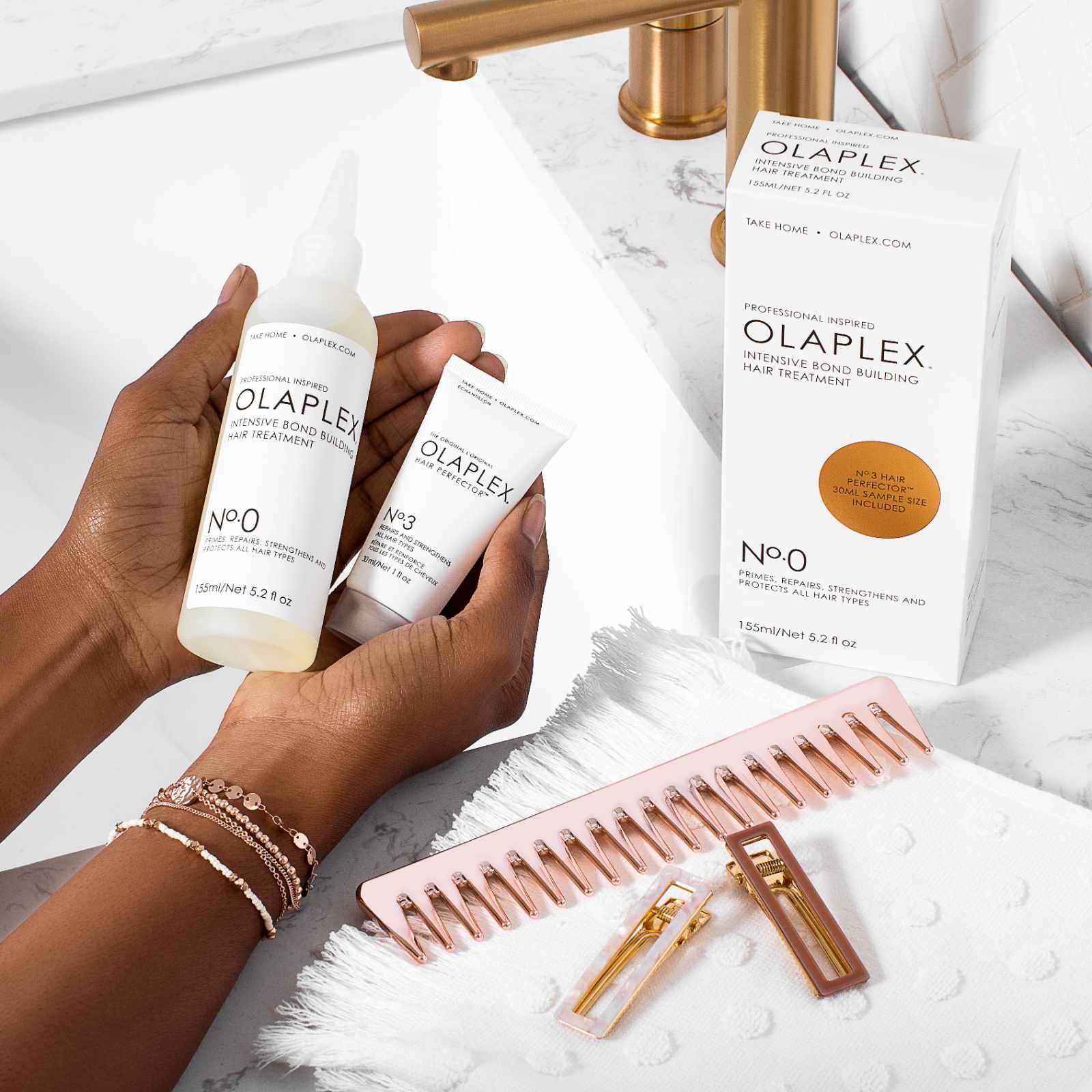
Prestige haircare has crossed a structural threshold that demands board-level attention: Q1 2026 category growth hit 10% — outpacing fragrance and skincare at 7% each and makeup at 2%, according to Circana's latest read. Full-year 2025 confirmed the trajectory, with prestige haircare posting 8% growth against fragrance's 5% and skincare's 3%. This is no longer a momentum story. It is a category reset with durable demand drivers, an evolving consumer demographic, and distribution implications that are already reshaping retail shelf architecture and M&A target lists across MENA, APAC, and the Americas.
---
Treatment-Led Growth Is Forcing a Portfolio Reset
The engine behind prestige haircare's ascent is not baseline product. Scalp care treatments posted high double-digit growth in Q1 2026, and the number of new treatment launches more than doubled year-over-year, per Circana SVP and Global Beauty Industry Advisor Larissa Jensen. Bond repair, in-shower masks, and restoration formulas are the category's steepest unit drivers — second only to skincare in volume terms across all of prestige beauty.
For brand strategists, the signal is unambiguous: haircare's "skinification" curve is still in early innings. Microbiome-targeted scalp formulas are tracking the same consumer education arc that gut health narratives followed in wellness — long-runway, ingredient-led, and resistant to commoditization. Brands that anchor R&D investment in functional actives rather than fragrance or aesthetics will capture the premiumization premium. Those still leading with shampoo-and-conditioner volume plays are structurally exposed.
Brands positioned at the intersection of clinical authority and scalp restoration — the same expertise halo that drives salon brands to 70% category dominance — are best placed to own that white space before it becomes contested.
---
Distribution Architecture Is the Actual Competitive Moat
Here is what the category growth numbers obscure: prestige haircare buyers are not deeply brand-loyal. Circana data reveals that one-third of prestige haircare consumers purchase whatever brand is easiest to find — a convenience-sensitivity index that runs materially higher than in skincare or fragrance. That single data point reframes competitive advantage entirely.
Sephora, Ulta Beauty, and Amazon are not just retail channels. They are the moat. Brands with omnichannel shelf presence — physical and dot-com — are capturing disproportionate share because haircare's efficacy outcomes are delayed, making digital replenishment a natural fit. Jensen's data confirms that the dot-com share of prestige haircare sales tracks closer to skincare than to fragrance or color. For emerging brands and their investors, this means distribution breadth is not a growth phase — it is the growth strategy.
Strategic consolidation will accelerate accordingly. Large-format retailers are increasingly functioning as de facto incubators for salon, celebrity, and clean haircare brands, which collectively represent the category's fastest-growing segments. Any acquirer evaluating prestige haircare targets in the next 18 months should weight retail presence at Sephora or Ulta as a primary valuation input, not a secondary channel metric.
---
Scalp care treatments posted high double-digit growth in Q1 2026, and the number of new treatment launches more than doubled year-over-year, per Circana SVP and Global Beauty Industry Advisor Larissa Jensen.
The Consumer Demographic Redefines the Masstige Ceiling
Prestige haircare's buyer profile is not a Gen Z discovery story. Consumers 55 and older account for 34% of prestige haircare purchases; 66% of buyers earn above $100,000 annually, per Circana. Hispanic consumers represent 19% of the buyer base — the second-largest cohort — with documented heterogeneity in hair type and need-state that resists single-SKU solutions. This is a high-income, solution-seeking, multi-SKU consumer, not a trend-chasing one.
That demographic profile also explains why the masstige ceiling in haircare is structurally higher than in makeup. Roughly 80% of haircare users are already cross-shopping prestige, selectively premiumizing treatments and scalp care while maintaining mass-market basics. The cross-shopper is not a loyalty problem — she is a category expansion opportunity that brands have barely begun to architect around.
---
GLP-1 Adjacency Opens a Durable White Space
The GLP-1 variable is the wildcard that most brand portfolios are not yet pricing in. Prestige haircare already over-indexes among GLP-1 users, driven by shedding and hair-thinning concerns associated with rapid weight loss. Hair thinning as a segment is not yet growing at category pace — but Jensen's forward read is explicit: wider GLP-1 access via oral formats, combined with declining medication costs, will expand the addressable population materially over the next two to three years.
Brands positioned at the intersection of clinical authority and scalp restoration — the same expertise halo that drives salon brands to 70% category dominance — are best placed to own that white space before it becomes contested. The window for prestige positioning in GLP-1-adjacent haircare is open now. It will not remain so for long.