Unite Hair's $55 Specialty Retail Pivot: What a 55% Revenue Surge Reveals About Professional Haircare's Distribution Reset

Prestige haircare is now the fastest-growing segment inside the $22 billion U.S. specialty beauty channel, and the brands capturing that momentum are the ones willing to dismantle the distribution architecture that originally made them.
Unite Hair's simultaneous presence in Ulta Beauty's full national fleet and Sephora's incoming 300-door rollout, set for August 2026, is not a story about one self-funded brand getting lucky. It is a signal that the professional-to-prestige pathway has structurally matured, that the old sequencing rules around retailer exclusivity no longer hold, and that salon-credentialed brands with proven velocity carry leverage in retailer conversations that pure DTC plays simply cannot replicate. Unite founder and CEO Andrew Dale confirmed the brand is up 55% at the six-month mark of 2026, running without outside capital, against a backdrop where the majority of prestige haircare challengers have required private equity backing to reach comparable scale.
The Ulta-First Trajectory Is Rewriting Prestige's Entry Rules
The conventional prestige distribution playbook demanded a Sephora debut before any downstream retail consideration. That logic assumed Sephora's curation conferred the brand equity necessary to command premium shelf placement and consumer trust. Unite's trajectory inverts that model entirely, entering Ulta first at national scale, building documented sell-through with professional stylists embedded in Ulta's in-store salon network, and then arriving at Sephora with proof-of-concept retail data already in hand.
MAC Cosmetics and Vacation followed similar sequencing. The pattern is no longer anecdotal. What is emerging is a two-step premiumization strategy in which Ulta functions as a high-volume credentialing environment and Sephora serves as the prestige positioning capstone. For brand managers evaluating distribution architecture, this represents a meaningful shift in how retailer sequencing maps to brand valuation trajectories.
The 7Seconds Franchise as a Category Anchor
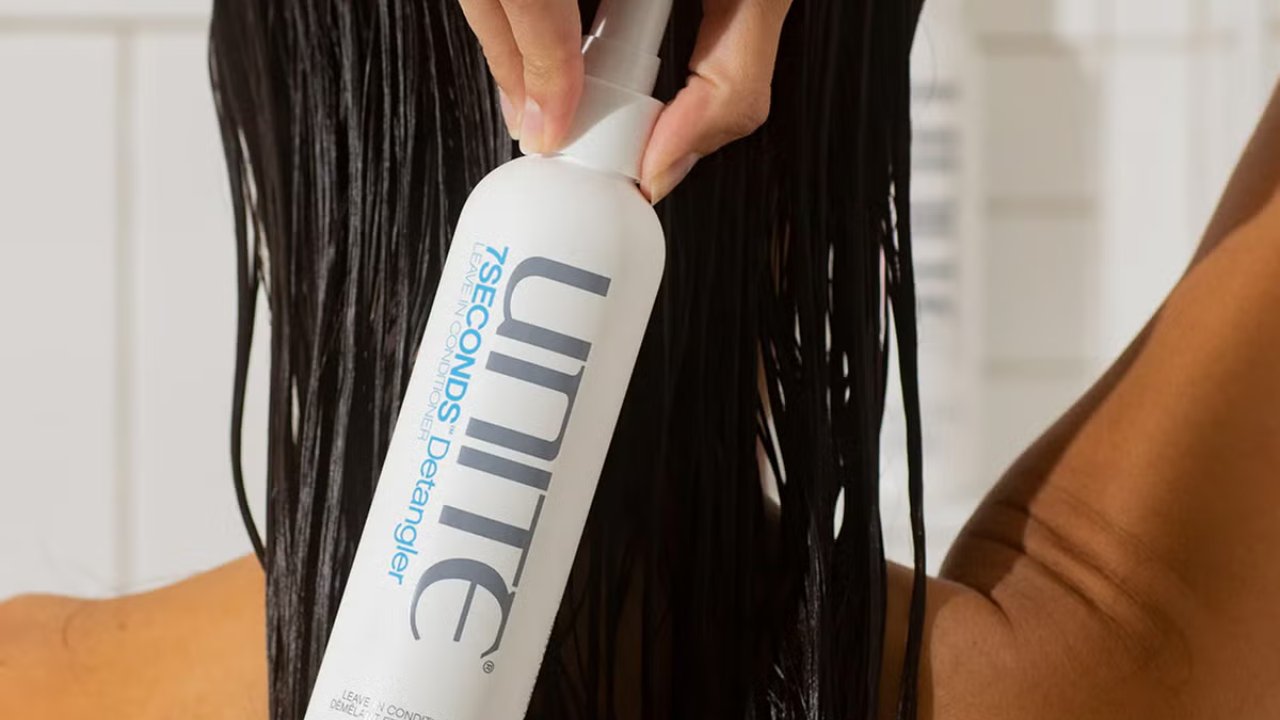
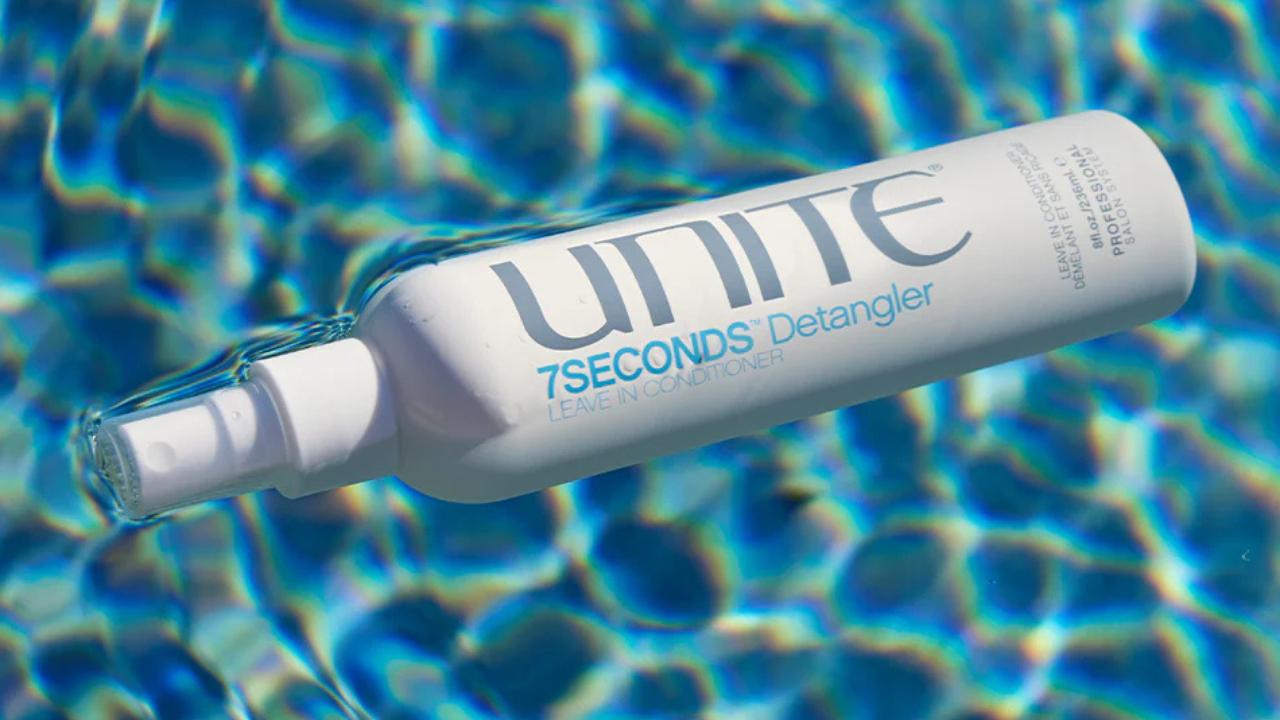
At retail, Unite's pricing architecture sits between $37.50 and $55.50, occupying the masstige band that has delivered the most consistent unit growth across prestige haircare over the past three fiscal years. The 7Seconds Detangler alone moves approximately 1.6 million units annually, with one bottle sold every 20 seconds according to the brand. That velocity figure is not a marketing statistic. It is the kind of repeat-purchase density that retail buyers model when assessing anchor SKU performance and that M&A analysts use to stress-test revenue durability in a potential acquisition scenario.
Sephora's decision to bring haircare displays closer to its storefront is a deliberate category investment, one that mirrors the structural repositioning Sephora's parent LVMH has executed across fragrance and skincare to drive average transaction values upward. Unite arrives as that real estate investment matures, which means its in-store positioning will benefit from elevated foot traffic specifically routed toward haircare discovery. The brand joins Bumble and bumble, Pureology, Redken, and Kérastase in Sephora's professional-heritage haircare assortment, but unlike those peers, it enters without a conglomerate balance sheet behind it.
Self-Funded at Scale: The M&A Implication
Unite's decision to remain self-funded through more than 23 years of operations, including a period of double-digit year-over-year growth that pre-dates the current specialty retail expansion, creates a specific kind of strategic optionality. The brand carries no dilution from institutional capital, no board-level pressure to accelerate exit timelines, and no portfolio alignment obligations to a parent company. In a haircare M&A environment where Henkel, Unilever, and Kao Corporation have all demonstrated active acquisition appetite for salon-heritage brands with proven specialty retail traction, Unite's clean cap table is a structural asset as much as it is a philosophical choice.
Dale's international ambitions reinforce this point. Unite currently operates across approximately 15 countries, with stated intent to expand through Sephora's Americas network beyond the initial 300 doors and eventually into the retailer's international infrastructure. A brand that demonstrates Sephora-validated global scalability while maintaining founder ownership presents an acquisition profile that strategic buyers in the GCC, APAC, and Western European markets are actively pricing into preliminary discussions.
The Signals Worth Watching
Forward-looking context matters here. The professional haircare category is consolidating around a narrow set of brands capable of holding credibility across three simultaneous distribution channels: professional salon, mass-prestige specialty retail, and international flagging. Unite is positioning itself inside that converging window with deliberate restraint, releasing only two products per year while iterating on existing SKU performance. That disciplined portfolio reset strategy is precisely what keeps gross margin structures intact as retail door counts scale. Investors and strategic acquirers should be tracking Unite's Sephora sell-through data carefully when Q4 2026 numbers begin to surface.
Nya Ravel
Beauty market analyst covering trends, brands, and distribution shifts.