Oura Ring's $5B Wearables Bet: Why Female-Focused LLMs Signal the Next Phase of Beauty-Adjacent Wellness
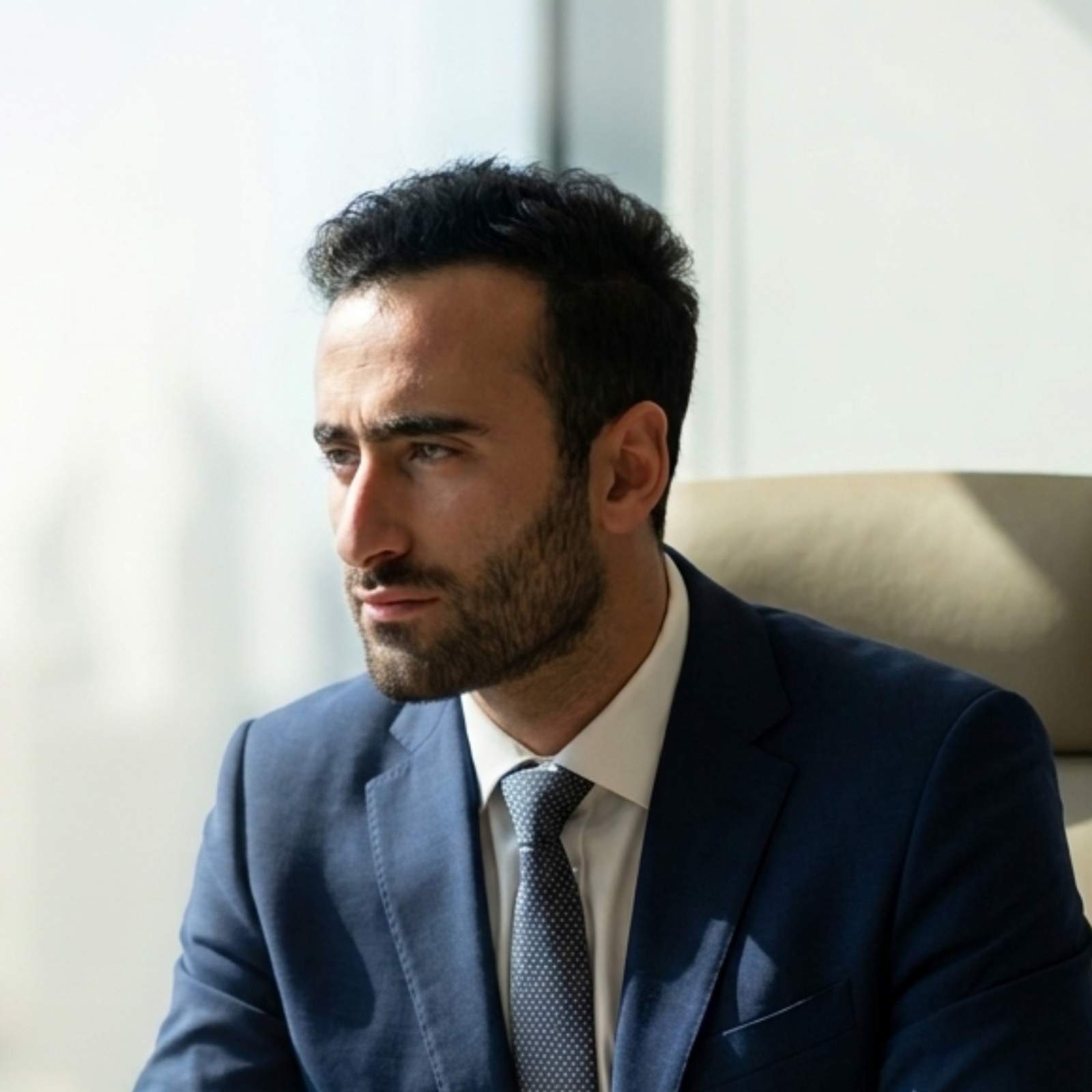
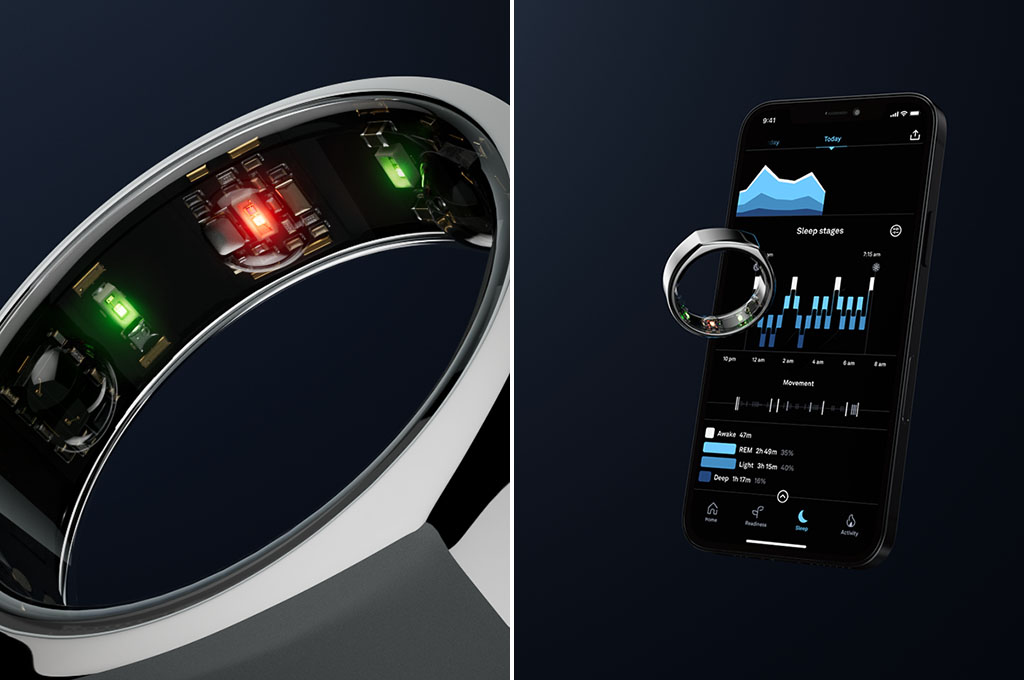
Dr. Jayaraman's work centers on training Oura's LLM using first-party biometric data collected from millions of ring wearers, with specific modules designed to interpret menstrual cycle variations, pregnancy metrics, and perimenopause indicators. This approach transforms Oura from a passive tracking device into an active wellness advisor — a repositioning that mirrors how prestige beauty brands are shifting from product sales to personalized skincare protocols. The distribution architecture for AI-driven wellness increasingly depends on proprietary datasets that competitors cannot replicate, creating defensible market positions in an otherwise commoditizing hardware category. Oura's female-focused LLM functions as both customer retention mechanism and data flywheel, deepening engagement while generating insights that inform future product development.
As AI chatbots become the primary interface for health guidance, beauty brands must decide whether to build proprietary models, license third-party platforms, or partner with established wearables companies to access biometric data.
The Wellness Chatbot as Distribution Channel
Conversational AI interfaces are emerging as the new distribution channel for wellness recommendations, competing directly with dermatologists, estheticians, and beauty advisors for consumer trust. Oura's chatbot delivers personalized insights on sleep optimization, stress management, and cycle-synced nutrition — categories that overlap significantly with ingestible beauty, adaptogens, and hormone-balancing supplements sold through prestige beauty retail. Dr. Jayaraman's emphasis on building AI that understands female-specific health patterns positions Oura to recommend third-party products or services, opening potential affiliate revenue streams and strategic partnerships with beauty brands seeking authenticated wellness credentials. The monetization playbook extends beyond hardware margins into recurring revenue models that resemble subscription beauty services more than traditional consumer electronics.
The success of Oura's female-focused LLM will establish benchmarks for how beauty brands deploy their own AI advisors across skincare diagnostics, makeup application tutorials, and ingredient education.
Strategic Implications for Beauty's AI Roadmap
The success of Oura's female-focused LLM will establish benchmarks for how beauty brands deploy their own AI advisors across skincare diagnostics, makeup application tutorials, and ingredient education. Estée Lauder Companies invested $2.8B in digital and tech infrastructure over the past three years, while L'Oréal acquired AI skin diagnostic platform ModiFace in 2018 — both signaling that legacy beauty conglomerates recognize conversational AI as critical competitive infrastructure. Dr. Jayaraman's work demonstrates that effective wellness chatbots require vertical integration of hardware, proprietary data, and domain-specific AI training rather than generic ChatGPT wrappers, raising capital requirements and technical barriers for brands attempting similar deployments. The beauty industry's AI arms race will likely accelerate strategic consolidation as brands acquire data science talent and biometric datasets to fuel their own LLM development.
The Femtech-Beauty Convergence Thesis
Oura's female-focused LLM validates the thesis that wellness technology and beauty are converging into a unified category defined by personalized, data-driven self-optimization. As AI chatbots become the primary interface for health guidance, beauty brands must decide whether to build proprietary models, license third-party platforms, or partner with established wearables companies to access biometric data. Dr. Jayaraman's approach — training AI specifically on female physiological patterns rather than retrofitting male-centric models — offers a blueprint for how prestige beauty should approach product development in an era where consumers expect brands to understand their individual biology. The brands that control the conversational layer will ultimately control product recommendations, making AI wellness chatbots the most valuable real estate in the beauty-adjacent technology stack.
Paul Chauveau
Beauty market analyst covering trends, brands, and distribution shifts.