Olive Young Appoints First US CEO: Korea's Largest Beauty Retailer Executes Stateside Expansion
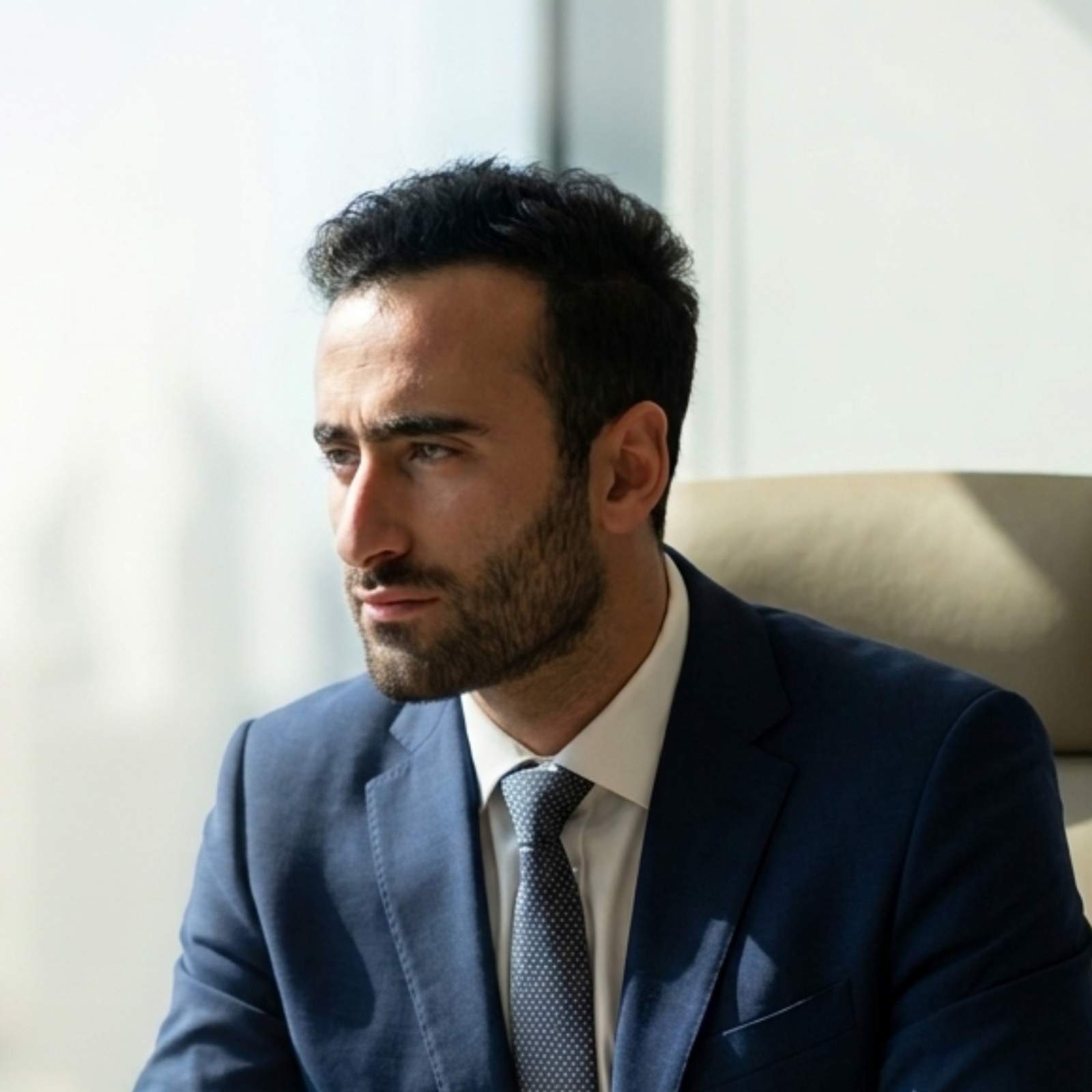

The appointment arrives as Olive Young operates seven physical locations across New York, New Jersey, and California, with the retailer's US e-commerce platform demonstrating triple-digit year-over-year growth according to parent company CJ Olive Networks. Industry analysts anticipate the dedicated CEO role will enable portfolio rationalization, regional assortment localization, and strategic partnerships with domestic distribution channels — capabilities that proved essential for Sephora's US market dominance and Ulta Beauty's masstige positioning strategy.
Strategic Consolidation of Korean Beauty Distribution
Olive Young's organizational investment reflects broader premiumization trends reshaping Korean beauty's US market penetration, where fragmented distribution across specialty retailers, department stores, and direct-to-consumer channels has historically diluted brand equity and consumer education. The retailer's domestic competitive advantage centers on its curated assortment strategy — approximately 8,000 SKUs spanning 600+ K-beauty and international brands — which differs substantially from the exhaustive inventory models employed by Ulta Beauty's 25,000-SKU format or Sephora's prestige-only curation approach.
The dedicated US leadership structure positions Olive Young to replicate its Seoul-based omnichannel model, where mobile app integration drives 62% of total transactions and proprietary loyalty membership exceeds 18 million active users. Translating this digital-first retail architecture to North American markets requires localized technology infrastructure, payment system integration, and consumer behavior analytics — operational complexities that necessitate C-suite market expertise rather than regional management oversight.
Portfolio Reset Amid K-Beauty Maturation
The timing coincides with K-beauty's evolution from trend-driven growth to sustainable category expansion within US prestige and mass beauty channels, as legacy Korean brands including Amorepacific and LG Household & Health Care pursue aggressive international M&A and distribution partnerships. Olive Young's institutional US presence creates a branded retail environment for emerging Korean beauty brands seeking North American market entry without the capital requirements of standalone distribution infrastructure or the margin compression associated with wholesale partnerships with established beauty retailers.
This branded distribution strategy mirrors the pathway employed by Japan's MUJI and UNIQLO during their US expansion phases, where company-owned retail environments maintained brand narrative control and enabled direct consumer data collection. For Korean beauty conglomerates evaluating US market investment, Olive Young's physical retail footprint offers a lower-risk channel alternative to the promotional intensity of Amazon or the prestige positioning requirements of Nordstrom and Bluemercury.
Implications for North American Beauty Retail Consolidation
The appointment establishes Olive Young as a permanent fixture within North America's increasingly crowded specialty beauty retail landscape, where recent market entrants including UK-based Boots and France's Nocibé have struggled to achieve sustainable unit economics amid e-commerce competition and shifting consumer channel preferences. Success metrics will center on comparable store sales growth, customer acquisition costs relative to lifetime value, and the retailer's ability to differentiate its assortment from existing Korean beauty availability through Sephora, Ulta Beauty, and Target's expanded K-beauty sections.
For beauty brand executives monitoring retail partnership opportunities, Olive Young's institutionalized US operations present a strategic distribution alternative that combines physical discovery with digital conversion infrastructure — a hybrid model that proved critical for brands including The Ordinary during its North American scaling phase. The retailer's trajectory will provide definitive market intelligence on whether branded Korean beauty retail concepts can achieve the unit economics necessary for continental expansion or whether digital-native and wholesale hybrid models will continue dominating beauty's evolving distribution architecture.
Paul Chauveau
Beauty market analyst covering trends, brands, and distribution shifts.