Nordstrom Seizes Department Store Beauty Leadership as Saks Restructures
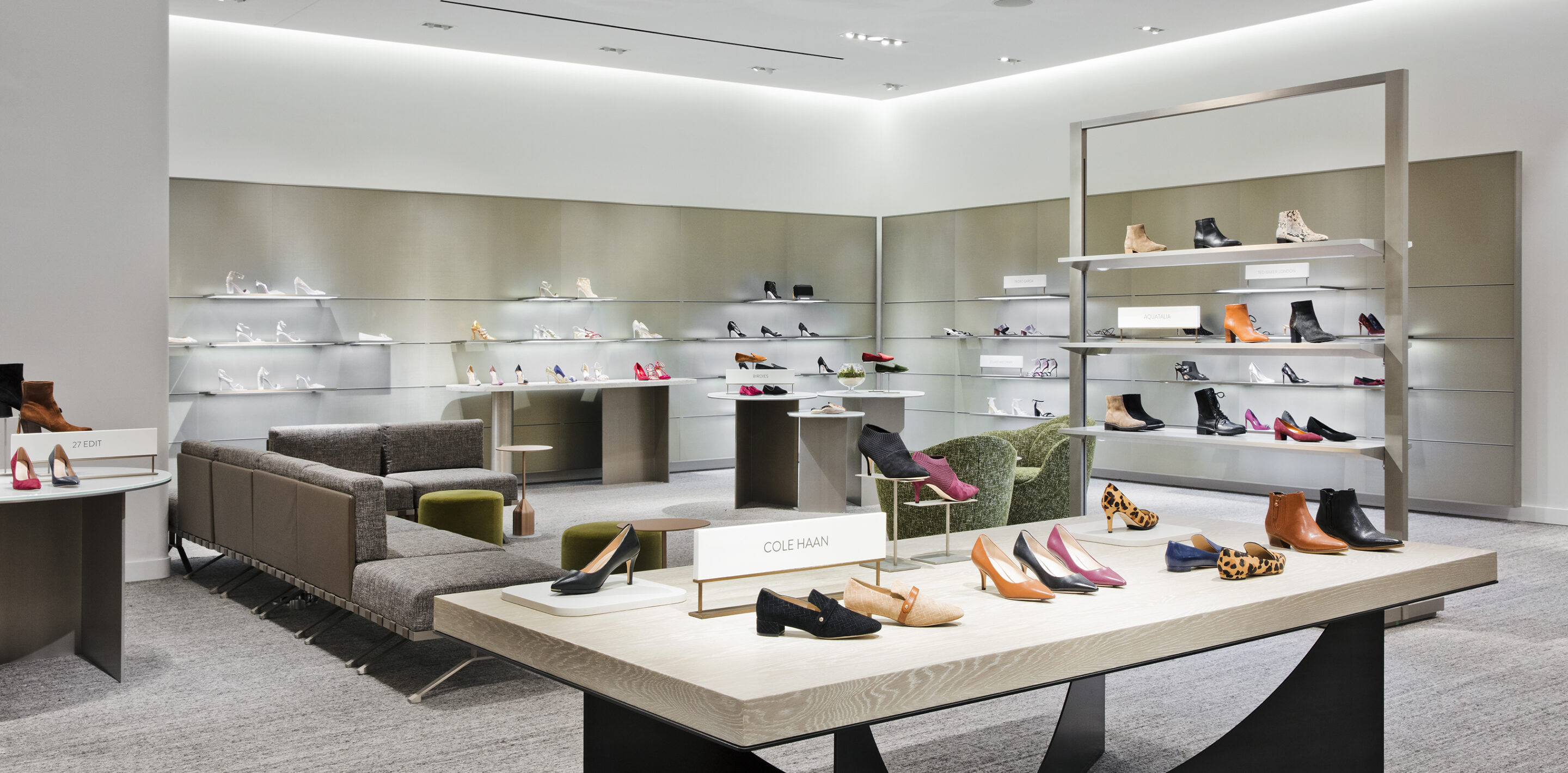
Nordstrom President and Chief Brand Officer Pete Nordstrom confirmed in February earnings commentary that beauty now represents the retailer's fastest-growing category, outpacing apparel and accessories across both full-line and Nordstrom Rack formats. The momentum reflects strategic capital allocation toward beauty-specific infrastructure—including the 2023 opening of dedicated beauty floors in New York flagship and Chicago Michigan Avenue locations—alongside portfolio expansion that added 47 brands to Nordstrom's beauty assortment in 2024 alone.
Saks Integration Slows Beauty Momentum
Saks Fifth Avenue's beauty trajectory decelerated measurably following HBC's November 2024 acquisition of Neiman Marcus Group, creating a combined entity valued at $10.25B but introducing organizational uncertainty that disrupted brand partner relationships and delayed seasonal launches. Industry sources indicate that at least 12 prestige beauty brands—including Augustinus Bader, Westman Atelier, and Sisley Paris—paused or scaled back spring 2025 activations at Saks pending clarity on the retailer's post-merger distribution strategy and consolidated buying structure.
Nordstrom's full-price beauty sell-through rate of 78% in 2024 significantly exceeded the 61% department store channel average, reinforcing its value proposition to brand partners prioritizing margin preservation over volume distribution.
Marc Metrick, CEO of Saks, acknowledged execution gaps during a March investor presentation, noting that beauty comparable store sales declined 3% in Q4 2024 versus 11% growth in the prior-year period. The deceleration reflects both macro headwinds and internal friction as Saks consolidates merchandising operations with Neiman Marcus—a process that industry analysts project will extend through Q3 2025 before operational synergies materialize.
Nordstrom's Distribution Architecture Advantage
Nordstrom leveraged Saks' integration period to secure exclusive partnerships and expand omnichannel fulfillment capabilities that differentiate its beauty proposition from specialty competitors. The retailer's same-day delivery infrastructure now covers 85% of its customer base for beauty purchases, while BOPIS (buy online, pick up in-store) adoption for beauty reached 31% of digital orders in Q4 2024—nearly double the 16% rate Saks reported for the same period.
The operational advantage extends to brand incubation, where Nordstrom's emerging beauty program onboarded 23 indie brands in 2024 with dedicated merchandising support and in-store activation budgets averaging $75K per brand. Comparatively, Saks suspended new brand introductions during Q4 2024 and Q1 2025 while prioritizing core assortment rationalization across its newly combined 57-door fleet.
The operational advantage extends to brand incubation, where Nordstrom's emerging beauty program onboarded 23 indie brands in 2024 with dedicated merchandising support and in-store activation budgets averaging $75K per brand.
Strategic Implications for Prestige Beauty Distribution
Nordstrom's beauty momentum arrives as department stores collectively face portfolio rationalization pressure—L'Oréal Luxe reduced its department store door count by 18% across 2023-2024, while Estée Companies consolidated distribution with fewer but higher-volume retail partners. Nordstrom's ability to sustain double-digit beauty growth positions the retailer as an increasingly strategic channel partner for prestige brands seeking alternatives to Sephora's 30% U.S. market share dominance in prestige beauty specialty.
The competitive reset also accelerates Nordstrom's prestige positioning relative to mid-tier department store competitors, where Macy's beauty business—while substantial at approximately $1.9B annually—skews heavily toward masstige brands and promotional pricing strategies that undermine premium brand equity. Nordstrom's full-price beauty sell-through rate of 78% in 2024 significantly exceeded the 61% department store channel average, reinforcing its value proposition to brand partners prioritizing margin preservation over volume distribution.
The coming 18 months will determine whether Saks can stabilize its beauty operations post-integration or if Nordstrom's current advantage calcifies into sustained category leadership—a development that would fundamentally reshape prestige beauty's department store distribution architecture and force brands to recalibrate their multi-channel strategies accordingly.
Paul Chauveau
Beauty market analyst covering trends, brands, and distribution shifts.