Mother Science's Sephora Bet: What a $48B Prestige Skincare Channel Tells Us About Clean Actives Distribution

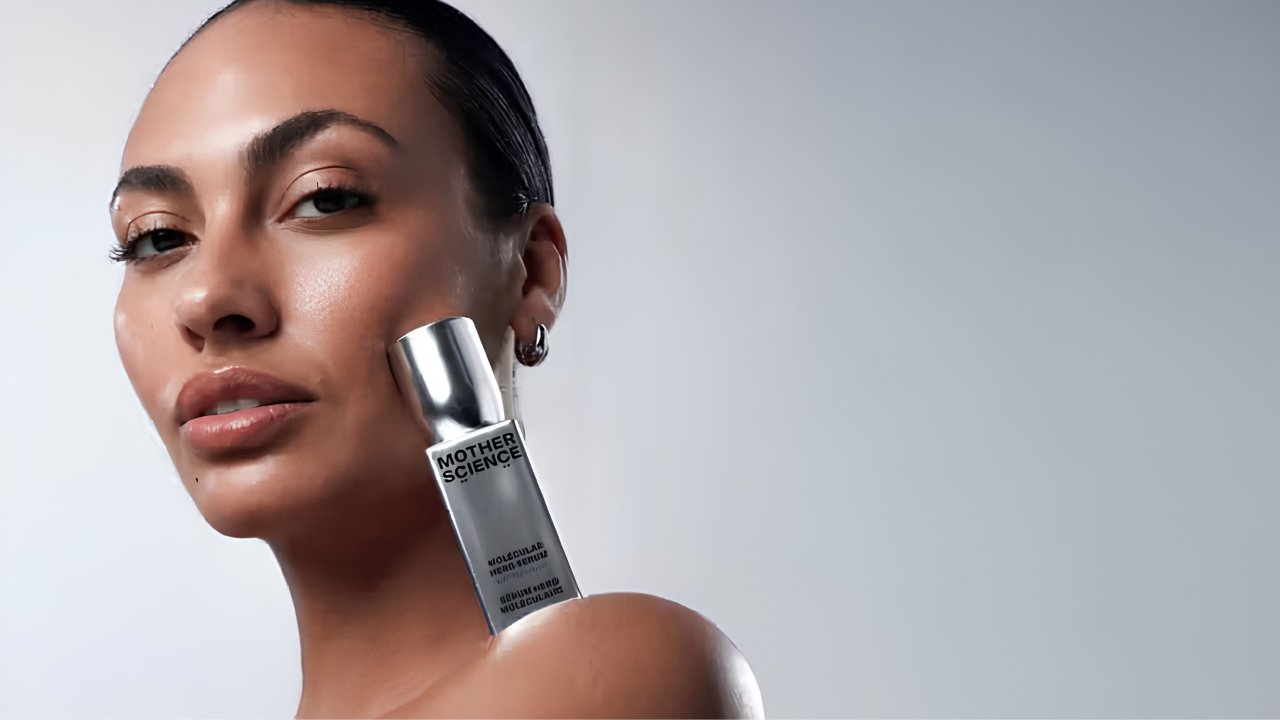
The U.S. prestige skincare market generated approximately $8.2 billion in retail sales in 2023, according to Circana data, with clean-positioned active skincare capturing a disproportionate share of new brand launches entering Sephora's assortment. Mother Science, the actives-forward brand built around its proprietary Malassezin molecule, has positioned itself inside that exact corridor, securing Sephora distribution at a moment when the retailer is exercising sharper editorial discipline over which science-led SKUs earn shelf real estate. The brand's trajectory inside the Sephora ecosystem is not simply a retail story. It is a signal about where prestige distribution architecture is consolidating and which brand profiles are built to attract M&A attention in a category increasingly defined by ingredient IP rather than packaging aesthetics.
Sephora's role as a prestige gatekeeper has intensified since LVMH accelerated the retailer's U.S. footprint through the Kohl's shop-in-shop expansion, which now spans more than 900 doors. That distribution architecture gives emerging brands like Mother Science simultaneous access to Sephora's core prestige consumer and a masstige adjacency that most specialty-channel brands have historically been unable to reach without a discrete channel strategy. For a brand anchored in proprietary science, that dual-access model compresses the typical volume ramp considerably.
The Malassezin Thesis: Ingredient IP as Competitive Moat
Mother Science's core commercial argument rests on Malassezin, a molecule derived from the skin's own microbiome that the brand positions as a precision approach to hyperpigmentation. That framing is strategically significant. The prestige skincare segment has seen aggressive premiumization over the past four years, with average unit retail prices in active serums climbing roughly 18 percent between 2020 and 2024 per Euromonitor International estimates. Brands that can anchor price premiums to patented or proprietary compounds rather than formulation aesthetics occupy a structurally more defensible position inside Sephora's assortment reviews.
The prestige skincare segment has seen aggressive premiumization over the past four years, with average unit retail prices in active serums climbing roughly 18 percent between 2020 and 2024 per Euromonitor International estimates.
That defensibility matters because Sephora rationalizes its skincare floor approximately every 12 to 18 months, and brands without a clinical or IP narrative are disproportionately exposed to delistings. Mother Science's ingredient story gives it a retention argument that commodity-clean brands cannot replicate.
Distribution Architecture and the Sephora Exclusivity Calculus
Launching exclusively, or near-exclusively, inside Sephora carries a specific set of trade-offs that brand leadership at Mother Science would have evaluated carefully. Sephora's traffic volume and editorial credibility accelerate awareness and brand equity accrual at a rate that independent direct-to-consumer channels rarely match in years one through three. The constraint is margin compression at scale, a dynamic that every prestige brand navigating Sephora's wholesale model eventually confronts.

The more relevant strategic consideration, viewed through a B2B intelligence lens, is what Sephora exclusivity signals to potential acquirers. Brands with validated prestige positioning inside a single dominant specialty channel are historically cleaner acquisition targets than those managing fragmented multi-channel distribution. When Shiseido Group acquired Drunk Elephant in 2019 for a reported $845 million, the brand's concentrated Sephora distribution was cited internally as a factor in valuation clarity. Mother Science, at an earlier stage, is building the same kind of distribution legibility.
Brands that establish channel authority and clinical credibility inside Sephora's ecosystem before that compression arrives will be positioned to either scale independently or transact from a position of leverage.
Premiumization Pressure and the Clean Science Window
The broader market context shaping Mother Science's opportunity is worth quantifying. The global cosmeceuticals market is projected to reach $93.4 billion by 2030, compounding at a CAGR of approximately 8.2 percent, per Grand View Research. Within that trajectory, the clean-plus-clinical positioning that Mother Science occupies, rooted in peer-reviewed science rather than naturalistic marketing, is attracting the most aggressive investment from both strategic acquirers and growth equity funds.
Large strategics including Unilever Prestige, L'Oreal's venture activity, and Estee Lauder Companies have all signaled through acquisition behavior and incubator investment that ingredient-IP brands at the prestige price tier represent their preferred portfolio reset vehicle. A brand like Mother Science, with a novel molecule, a clinical positioning, and validated Sephora distribution, maps cleanly onto that acquisition criteria set.
The Forward Thesis
The next 18 to 24 months will test whether Mother Science can convert Sephora's distribution reach into the kind of velocity data that justifies a Series A or strategic conversation at a meaningful valuation. The prestige skincare window for clean-actives brands is not permanently open. As larger incumbents accelerate their own ingredient-IP pipelines through in-house R&D and bolt-on M&A, the differentiation premium available to independents will narrow. Brands that establish channel authority and clinical credibility inside Sephora's ecosystem before that compression arrives will be positioned to either scale independently or transact from a position of leverage. Mother Science is building toward one of those two outcomes, and the distribution architecture it is assembling now will determine which path closes first.
This article references and builds on original reporting by sephora.com. Read the original piece here: https://www.sephora.com/brand/mother-science. BeautyScale is a commercial agency; our editorial notes are commentary on industry reporting.
Josette Assaf
Beauty market analyst covering trends, brands, and distribution shifts.