Men's Grooming at $78B: Why Prestige Brands Are Abandoning Specialty Retailers

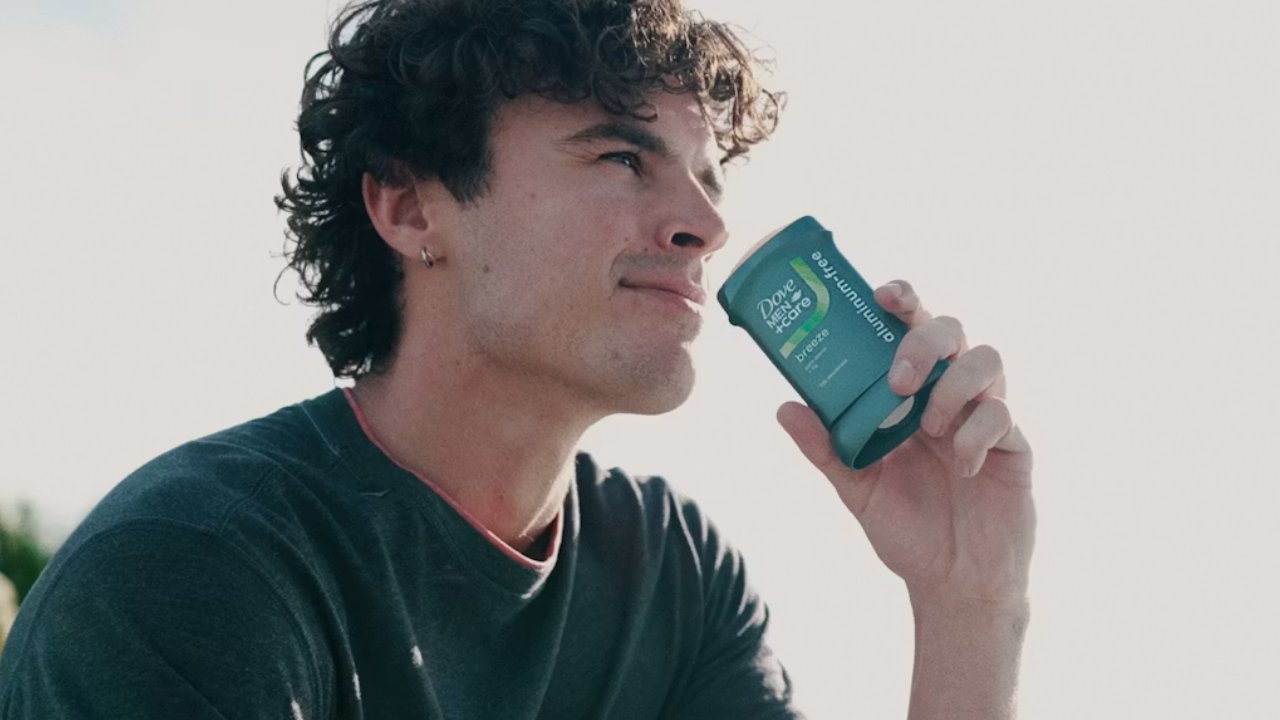
The global men's grooming market has crossed $78 billion in annual retail value, adding roughly $12 billion over the past five years, yet the category's distribution architecture still reads like it was built for a different decade. Barbershop wholesale accounts, specialty grooming boutiques, and department store gondolas remain the default channel mix for brands targeting the male consumer, even as that consumer has decisively migrated elsewhere. Prestige and masstige players are now engineering a channel reset, pulling inventory from traditional specialty retail and rebuilding their go-to-market models around direct-to-consumer platforms, athletic lifestyle marketplaces, and creator-led commerce. The Dove Men+Care pivot toward creator partnerships is not a marketing experiment. It is a signal that the category's largest incumbents have concluded that earned distribution, not bought shelf space, will determine who owns the next decade of male personal care.
The Specialty Retail Model Is Structurally Misaligned With the Premium Male Consumer
Prestige positioning in men's grooming historically depended on physical authority: the apothecary cabinet, the barber-endorsed edge, the curated shelf at an independent grooming retailer. That framework served brands well when the male prestige buyer was a niche consumer seeking category education through in-store experience. The profile has changed materially. The premium male personal care consumer in 2024 is younger, digitally native, and draws his product discovery cues from athletic culture, performance wellness, and social content rather than physical retail adjacency. Specialty grooming retailers, carrying high fixed costs and limited digital traffic infrastructure, cannot compete with the discovery velocity that athletic marketplace platforms and short-form video channels now deliver. Brands that continue to anchor their distribution architecture to specialty wholesale are effectively paying for access to a shrinking audience.
Premiumization Is Accelerating, But the Channel Mix Has Not Kept Pace
The $12 billion added to global men's grooming over five years reflects a structural premiumization trend rather than volume growth alone. Average unit retail prices have risen across skincare, haircare, and body care formats as the male consumer demonstrates increasing willingness to trade up to performance-positioned and ingredient-led SKUs. That trading-up behavior is, however, happening almost entirely outside traditional specialty retail. DTC platforms capture the brand's full margin and the consumer relationship simultaneously. Athletic lifestyle marketplaces, including the retail environments operated by major sportswear groups and their digital ecosystems, deliver the contextual alignment that prestige grooming brands require: a consumer already primed for performance claims and willing to spend at elevated price points. The channel mix has not kept pace with where premiumization is actually occurring, and that misalignment is becoming a portfolio liability for brands still overweight in specialty wholesale.
Founder Brands and M&A Are Reshaping the Portfolio Landscape
The distribution reset in men's grooming is also reshaping M&A logic. Strategic acquirers evaluating founder-led grooming brands are now explicitly assessing DTC revenue concentration, subscription retention metrics, and marketplace diversification as primary valuation inputs, alongside CAGR and gross margin. A brand generating strong specialty retail velocity but limited owned-channel revenue presents integration risk under this framework, because the acquiring group cannot easily redeploy the asset into its preferred distribution architecture without disrupting existing wholesale relationships. Founder brands that built natively on DTC and expanded selectively into athletic or lifestyle retail, without depending on specialty wholesale volume, are commanding premium valuations because their channel mix is already aligned with where the category is heading. The M&A pipeline in men's grooming will increasingly reward portfolio resets executed before acquisition rather than after.
The Forward Imperative: Build Distribution Where the Male Consumer Actually Is
Brand managers and commercial leads in men's grooming need to treat distribution architecture as a strategic asset rather than a logistics function. The actionable imperative for the next 18 months is threefold. First, audit specialty retail exposure as a percentage of total revenue and model the margin and brand equity impact of a graduated reduction in that channel. Second, identify the athletic and performance lifestyle marketplaces with the highest indexed penetration among your target male demographic and negotiate placement that reflects prestige adjacency rather than mass accessibility. Third, invest in creator partnership infrastructure that converts content velocity into owned DTC traffic rather than relying on the retailer's foot traffic to close the sale. The brands that execute this distribution portfolio reset before it becomes consensus behavior will not only capture disproportionate margin, they will own the prestige positioning in men's grooming that the category's $78 billion scale now demands.
Rami Al Ariss
Beauty market analyst covering trends, brands, and distribution shifts.