Men's Beauty, $110B in Motion: How OBAYATY's Portfolio Architecture Is Writing the Next Distribution Playbook

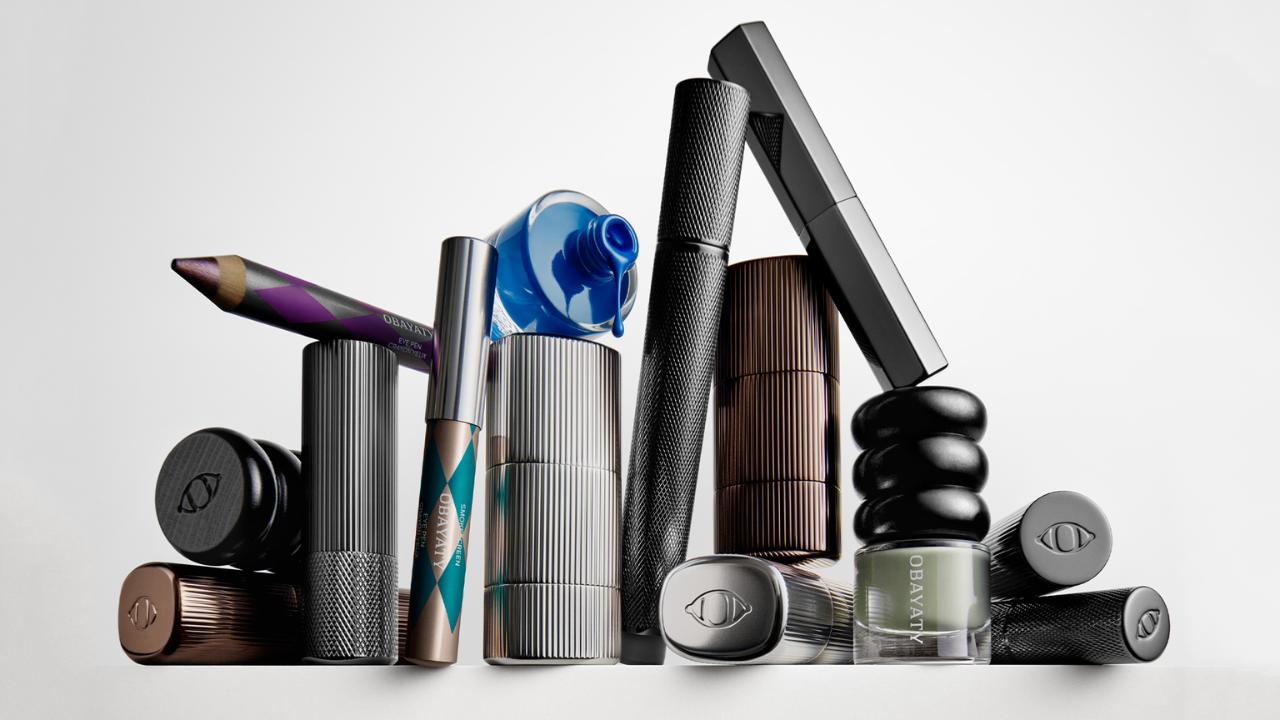
The global men's grooming and beauty market is tracking toward $110 billion by 2030, compounding at a CAGR of 6.1 percent, yet prestige-tier male beauty, defined by color-cosmetic adjacency and skincare hybridization, accounts for fewer than 9 percent of total category revenues. That structural gap is precisely the commercial white space OBAYATY is designed to occupy. Co-founded by Creative Director and CEO Pontus Frankenstein and music producer and shareholder Max Martin, the Los Angeles-originated, Stockholm-refined brand is not entering men's grooming as conventionally understood. It is staking a position in prestige male beauty, a segment that most incumbent conglomerates have left architecturally underdeveloped.
The strategic significance here is not the brand alone. It is what the brand signals about the next phase of category premiumization, and where distribution architecture must follow.
Prestige Positioning in a Segment Starved of It
Men's beauty has historically been managed as a grooming adjacency by the major houses, Unilever, L'Oreal Men Expert, Beiersdorf's NIVEA Men, rather than as a standalone prestige vertical. The result is a masstige-dominant landscape with thin margin density at the upper end. OBAYATY is engineered from the ground up as a prestige object: three-plus years of formula development with specialist laboratories, proprietary finishes, keeper-format refillable packaging, and a creative provenance that draws from fashion (Acne Studios adjacency), music (Martin's cultural footprint), and hospitality design (Six Senses). Each of those signals has a precise function in retailer conversations, particularly with the Selfridges, Sephora, and Harvey Nichols-tier buyers who assign shelf space partly on brand narrative legibility.
Frankenstein's emphasis on educating the male consumer through design object desirability, rather than clinical benefit messaging, points toward a retail environment strategy weighted toward experiential specialty retail over mass channel.
Frankenstein's background at Frankenstein Studio, spanning campaigns for Swedish House Mafia and luxury hospitality, is less a founder biography and more a distribution credential. Buyers at prestige counters read creative authority as a proxy for brand coherence and longevity.
The Refill Model as a Retail Retention Instrument
OBAYATY's refill architecture deserves specific commercial attention. In a category where male consumers have historically shown low repurchase frequency for premium SKUs, the keeper-case model reframes the transaction. The consumer retains the object and replenishes the formula, which structurally increases basket return rate and reduces the acquisition cost per repurchase cycle. For retail partners, that repurchase dynamic translates directly to gondola productivity metrics. A product with demonstrated return traffic is a materially different ranging argument than a novelty launch.
This mechanic mirrors what Haeckels and AESOP have executed in adjacent prestige personal care, but applied to a male beauty consumer who is, as Frankenstein notes, often arriving from sneaker culture and durable-goods logic rather than traditional beauty purchasing behavior. The refill model speaks that consumer's language before the category vocabulary has to.

M&A Readiness and the Strategic Consolidation Thesis
From an investor and acquirer standpoint, OBAYATY is being built with the characteristics that have historically made prestige independent beauty brands attractive acquisition targets. These include: a clearly defined consumer identity (appearance-conscious male consumer, 20 to 60, culturally fluent), a defensible formula portfolio developed with proprietary specifications, a creative directorship that provides consistent aesthetic governance, and a co-founder shareholder whose cultural reach (Martin's production credits span over $135 billion in recorded music revenues) provides non-paid brand amplification at scale.
Each of those signals has a precise function in retailer conversations, particularly with the Selfridges, Sephora, and Harvey Nichols-tier buyers who assign shelf space partly on brand narrative legibility.
The strategic consolidation logic is straightforward. The major beauty conglomerates, Estee Lauder Companies, LVMH Beauty, Puig, and Kering Beaute, are all actively rationalizing their male beauty exposure. None currently hold a prestige male color-adjacent brand with genuine cultural credibility in both European and North American markets. OBAYATY's dual geography, Los Angeles and Stockholm, positions it with the cross-market narrative that acquisition due diligence teams prioritize when assessing APAC and GCC expansion optionality.
The Distribution Decision That Defines the Next 24 Months
The critical inflection point for OBAYATY is distribution sequencing. Frankenstein's emphasis on educating the male consumer through design object desirability, rather than clinical benefit messaging, points toward a retail environment strategy weighted toward experiential specialty retail over mass channel. That means Sephora, Ssense, and select department store partnerships in primary markets, with DTC as margin support rather than volume driver.
The brand's portfolio reset potential is significant if early distribution partners are chosen for positioning signal rather than volume speed. In prestige male beauty, the first three retail doors a brand enters function as a permanent category statement. Brands that enter at the right tier early build the retailer trust and consumer price tolerance that sustain 40-plus percent gross margins at scale.
The men's beauty category is not emerging. It is restructuring. Brands with the design authority, formula seriousness, and cultural credibility to operate at the prestige tier will be the ones that attract both the retail shelf space and the M&A interest that define the next decade of category value creation.
This article references and builds on original reporting by Antony Hawman for The Industry Beauty. Read the original piece here: https://theindustry.beauty/the-interview-obayaty-co-founder-and-creative-director-pontus-frankenstein-on-redefining-mens-beauty-through-design-desire-and-self-expression/. BeautyScale is a commercial agency; our editorial notes are commentary on industry reporting.
Martin Jacob
Beauty market analyst covering trends, brands, and distribution shifts.