Dose of Derm: How a $68 Clinical Foundation Is Rewriting the Distribution Logic of Dermatologist-Founded Beauty
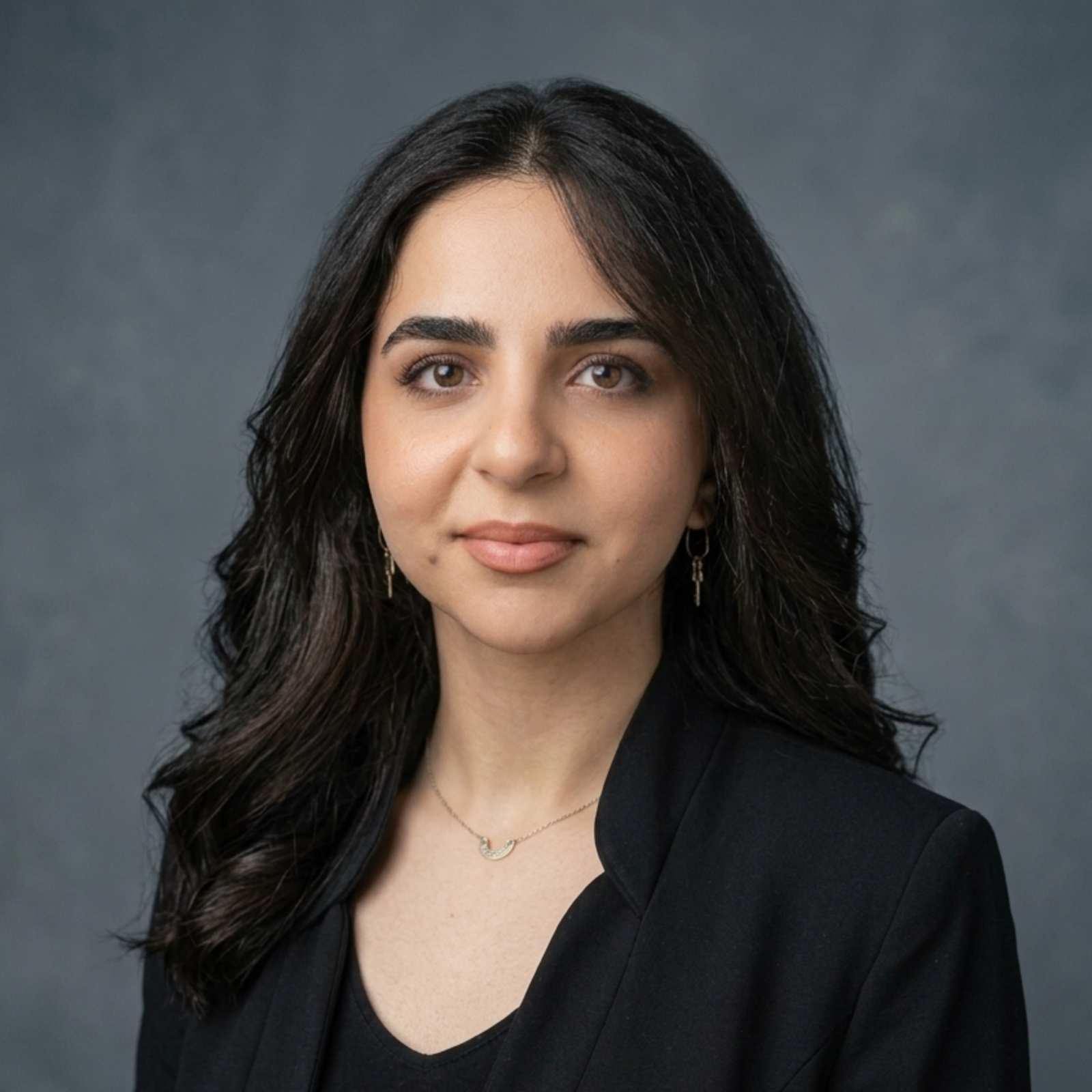

The global prestige cosmetics market is tracking toward $93 billion by 2030, yet the professional medical channel remains one of the most underleveraged distribution architectures in the entire category. Dermatologist Sheila Farhang, founder of Tucson and Beverly Hills-based Avant Dermatology and Aesthetics, is moving to close that gap with the October 2026 launch of Dose of Derm, a color cosmetics brand built explicitly around clinical credibility rather than lifestyle aspiration. The debut SKU, the $68 All-in-One Clinical Foundation, opens with mineral SPF 45, a TriBiome Longevity Complex incorporating plant-derived exosomes, postbiotics and peptides, and buildable coverage engineered for patients managing rosacea, melasma, and post-procedure skin. The strategic thesis is not merely a new product. It is a channel play that challenges how prestige color cosmetics reach their highest-value consumers.
The Professional Channel Is an Underbuilt Asset
Colorescience and Jane Iredale currently occupy the narrow bandwidth of clinical-grade color distributed through dermatology offices and med-spas. Outside those two brands, the professional medical channel is structurally thin, particularly in foundations positioned above the masstige tier. Farhang's decision to anchor Dose of Derm's initial distribution inside her own practice network is a deliberate sequencing strategy, establishing proof of concept and clinical trust before approaching conventional retail. That sequencing matters to institutional buyers and investors alike. A brand that demonstrates sell-through inside physician offices carries a fundamentally different risk profile than one launching direct-to-consumer with acquisition costs that erode margin from day one. Retail, including Sephora and Nordstrom, is acknowledged as a future pathway, but the professional channel serves as the credibility infrastructure that makes that expansion defensible.
Prestige Positioning at $68 Signals Intentional Premiumization
At $68, the All-in-One Clinical Foundation sits at the upper register of skincare-infused foundations, competing on shelf with Westman Atelier and Ilia rather than with masstige hybrids from the drug channel. Farhang disclosed that advisors recommended pricing the product in the high $70s. Her decision to hold at $68 reflects a deliberate trade-off between margin optimization and accessibility, a tension that will become more complex as the brand scales toward retail distribution, where price elasticity and promotional cadence introduce structural pressure on prestige positioning. The BCG and Women's Wear Daily 2026 research quantifying "optimizer" consumers, highly procedure-engaged beauty buyers representing 6% of U.S. adults, identifies exactly the cohort Dose of Derm is designed to capture. These consumers already allocate budget to injectable treatments and medical-grade skincare, making a $68 foundation an incremental spend rather than a trade-up decision.

The M&A Landscape Provides a Credible Exit Architecture
Dermablend, created in 1981 by dermatologist Craig Roberts, was acquired by L'Oreal in 2000 and has since passed through multiple ownership structures. That precedent establishes that dermatologist-founded color brands with clinical authority can attract strategic acquirers, though the category has historically been underpopulated. The current M&A environment in prestige beauty favors brands with distinct formulation IP, professional channel credibility, and a founder whose media presence functions as earned distribution. Farhang brings all three: a 162,000-follower Instagram audience, a Dear Media podcast in "Derm Approved," and consistent broadcast visibility. Strategic acquirers including L'Oreal, Shiseido, and Unilever Prestige have demonstrated appetite for founder-led brands with defensible clinical positioning. A portfolio reset at any of those groups would make Dose of Derm a logical target if the brand executes its professional channel rollout with clinical trial data attached to the formulation.
A Narrow Launch Footprint Is Also a Financing Constraint
The initial production run of approximately 5,000 units and a six-shade collection reflect self-funded capital discipline rather than strategic minimalism. Each shade requires independent SPF testing, a cost structure that compounds quickly as shade range expands. Farhang has confirmed active investor conversations, and external capital will be the rate-limiting factor on both shade extension and the clinical trial infrastructure needed to substantiate the TriBiome Longevity Complex's efficacy claims. Two additional SKUs, a Multi-Use Dual Stick and a Glossy Peptide Lip Stain, are scheduled for February 2027, forming the early shape of an edited, clinically coherent portfolio rather than a broad assortment play.
The forward-looking question for Dose of Derm is not whether clinical color cosmetics have a market. The Boston Consulting Group data confirms they do. The question is whether a self-funded, single-SKU brand can build enough professional channel velocity before a better-capitalized competitor recognizes the same white space. If Farhang closes a seed or Series A round before mid-2027, the brand's trajectory shifts meaningfully. If that capital is delayed, the distribution architecture she is building remains valuable, but the window for category ownership narrows.
This article references and builds on original reporting by Rachel Brown for Beauty Independent. Read the original piece here: https://www.beautyindependent.com/dose-of-derm-sheila-farhang-launches-dermatologist-founded-makeup-brand/. BeautyScale is a commercial agency; our editorial notes are commentary on industry reporting.
Rayane Mahmoud
Beauty market analyst covering trends, brands, and distribution shifts.