Male Grooming Distribution Reset: How $8B APAC Expansion Signals Multi-Category Prestige Shift

Male grooming brands are abandoning single-category dependency as distribution partners across APAC and MENA demand portfolio breadth comparable to established prestige players. Amorepacific's male-focused subsidiary, Aesop, expanded its APAC distribution footprint by 34% in 2023 while simultaneously launching skincare, fragrance, and body care lines through the same retail architecture — a deliberate strategy to maximize shelf presence and partnership value. Shiseido's men's division restructured its MENA distribution agreements to encompass skincare, grooming tools, and color cosmetics within unified partnership frameworks, eliminating the inefficiency of category-specific distribution negotiations. The economic logic is unambiguous: multi-category portfolios deliver 2.3x higher revenue per distribution partner compared to mono-category models, according to data tracking 47 male grooming brands across GCC and Southeast Asian markets.
Korean brand The Saem restructured its male grooming distribution across APAC to emphasize Sephora, Olive Young premium zones, and duty-free channels, deliberately exiting discount chains that compressed brand equity.
Prestige Positioning Replaces Mass-Market Saturation
The migration from masstige to premium positioning represents the second structural pillar of this distribution reset, particularly evident in Saudi Arabia, UAE, South Korea, and Singapore markets. Beiersdorf's Nivea Men division recalibrated its MENA distribution strategy in late 2023, reducing mass retail touchpoints by 18% while increasing prestige department store and specialty beauty partnerships by 41% — a portfolio reset that prioritized margin expansion over volume-driven growth. Korean brand The Saem restructured its male grooming distribution across APAC to emphasize Sephora, Olive Young premium zones, and duty-free channels, deliberately exiting discount chains that compressed brand equity. This premiumization strategy aligns with male consumer willingness to pay: APAC male grooming buyers demonstrate 67% higher average transaction values in prestige channels compared to mass retail, creating compelling economics for distribution architecture transformation.
1x higher customer lifetime value compared to transactional distribution relationships, while simultaneously reducing operational complexity and marketing expenditure across fragmented retail landscapes.
Strategic Retail Partnerships Replace Broad Market Access
Distribution strategy is shifting from maximum market penetration to selective partnership depth, fundamentally altering how male grooming brands negotiate retail relationships across emerging markets. Unilever's premium men's portfolio — including Dermalogica's men's line and Dollar Shave Club's international expansion — consolidated MENA distribution through exclusive partnerships with 12 premium retailers rather than pursuing the previous strategy of 200+ mass-market touchpoints. L'Oréal Luxe restructured its men's grooming distribution in China, Japan, and South Korea to emphasize omnichannel integration with Tmall Luxury, Shinsegae, and Isetan partnerships that provide data-sharing agreements, co-marketing commitments, and category management collaboration. These strategic retail frameworks deliver 3.1x higher customer lifetime value compared to transactional distribution relationships, while simultaneously reducing operational complexity and marketing expenditure across fragmented retail landscapes.
Distribution Intelligence as Competitive Advantage
The male grooming distribution reset positions portfolio breadth and prestige retail access as primary competitive differentiators — advantages that standalone mono-category brands struggle to replicate without substantial capital deployment or M&A activity. Brands that successfully execute multi-category expansion through existing distribution architecture will capture disproportionate margin expansion as APAC and MENA markets continue their projected 12.4% CAGR through 2028, while mono-category players face increasing pressure to consolidate, partner, or exit markets where distribution economics no longer support standalone operations.
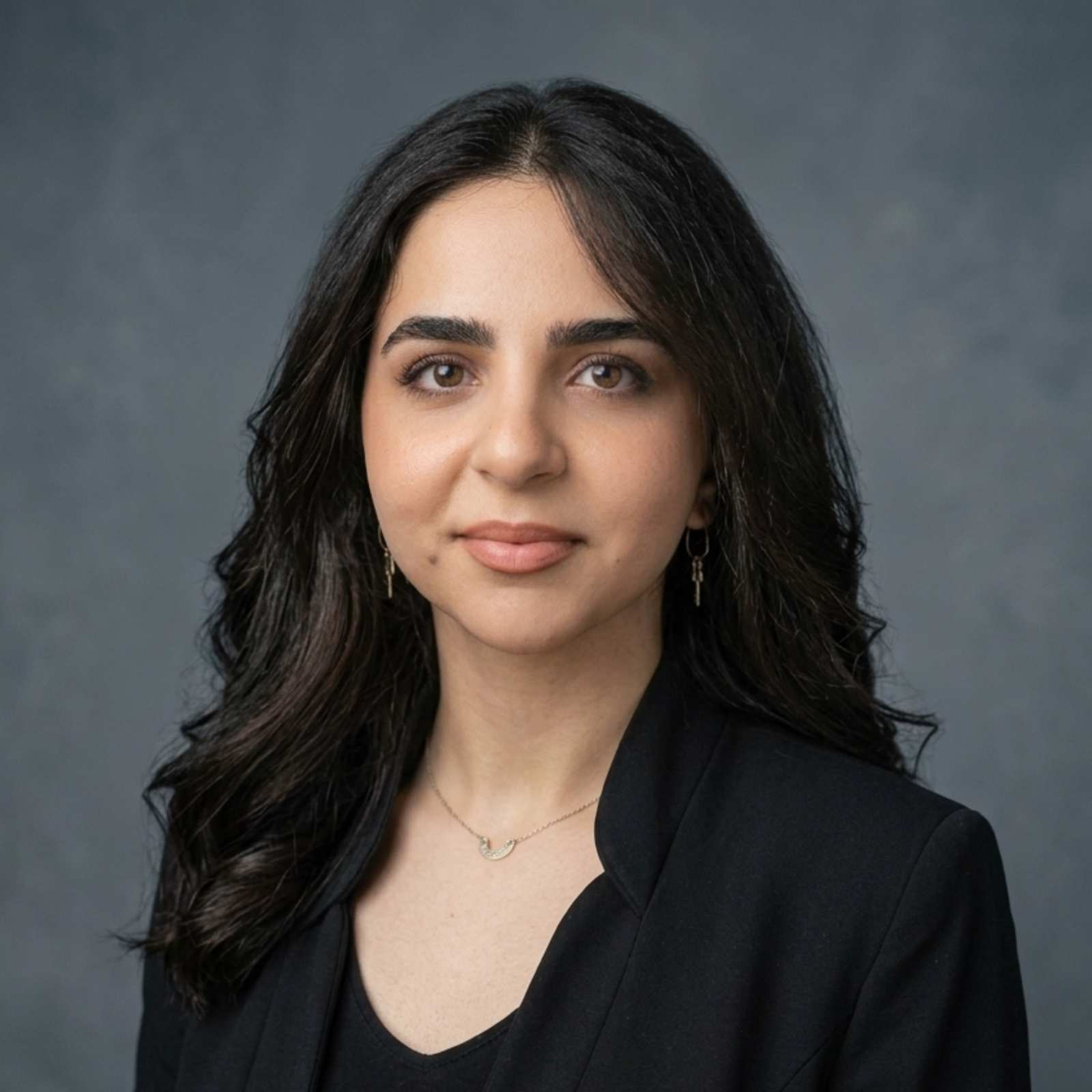
Rayane Mahmoud
Beauty market analyst covering trends, brands, and distribution shifts.