MAC Cosmetics Taps Chappell Roan: How Estée Lauder's $2.8B Color Portfolio Pivots to Gen Z Distribution

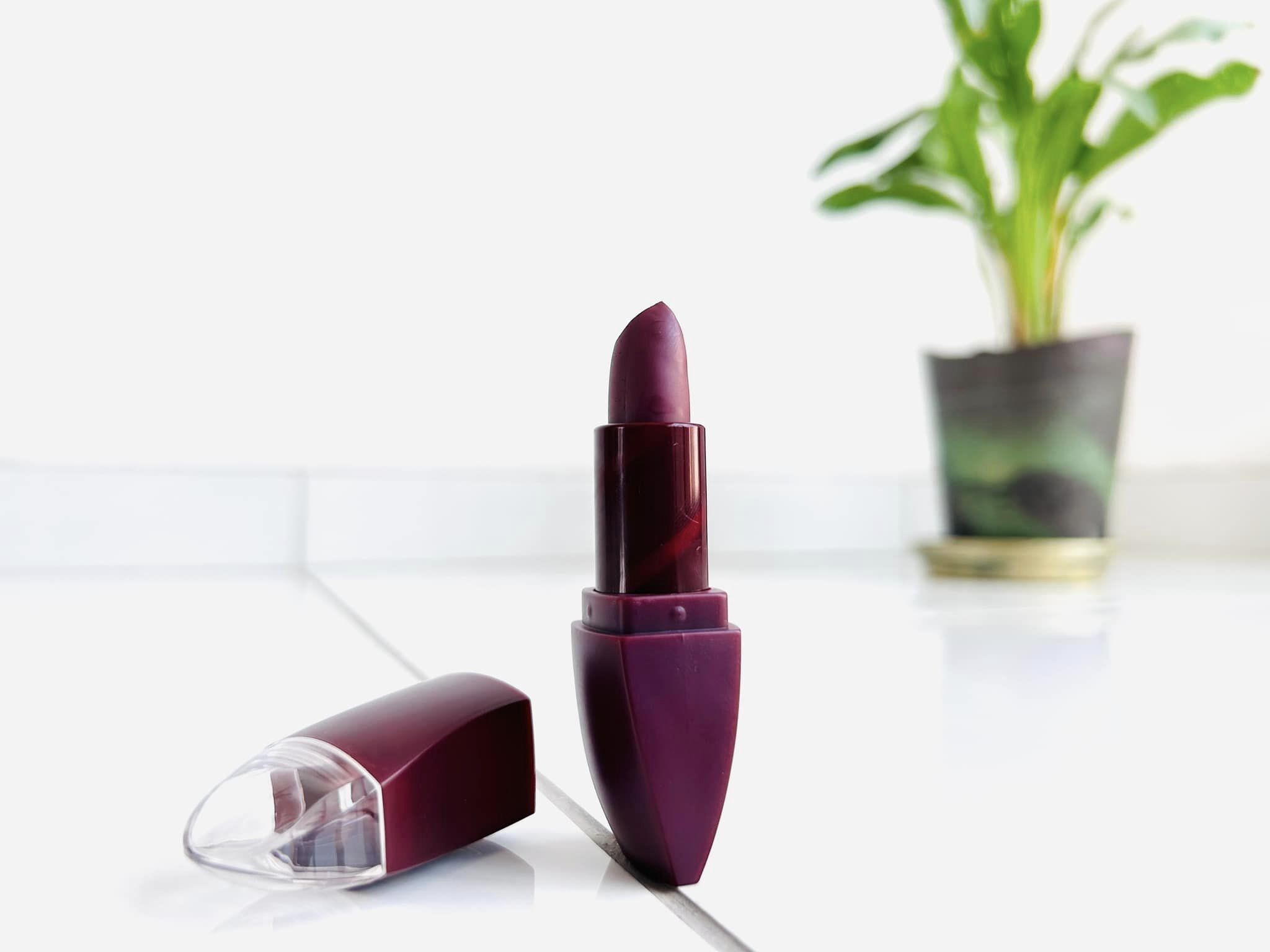
Roan's appointment marks MAC's first major ambassador deal since the brand discontinued its traditional celebrity spokesperson model in 2019, opting instead for campaign-specific partnerships that failed to generate sustained traffic conversion. The singer — whose Midwest Princess Tour drove 1.2 million ticket sales and generated $78 million in gross revenue across 43 dates — brings documented purchasing power among Gen Z consumers who have propelled her music catalog to 6.4 billion streams globally. MAC President Philippe Pinatel confirmed the partnership extends beyond traditional endorsement parameters, granting Roan creative direction over product development for a limited-edition collection slated for Q4 2025 launch.
The structural shift reflects broader anxiety within Estée Lauder's color portfolio, which has shed $840 million in value since 2021 as the conglomerate executes what CEO Fabrizio Freda terms "strategic consolidation" across 23 underperforming SKUs. MAC's reliance on department store distribution — which still represents 47% of North American revenue — has hampered its ability to compete with Rare Beauty and Fenty Beauty, brands that bypassed traditional retail architecture entirely and captured 22% of prestige color market share through DTC and Sephora exclusivity.
Prestige Repositioning Against Digitally Native Insurgents
Roan's aesthetic vocabulary — characterized by maximalist color application, theatrical contouring, and unapologetic artifice — directly counters the "clean girl" minimalism that has dominated beauty marketing since 2020 but shows signs of fatigue among younger consumers. MAC's internal data indicates searches for "bold color" and "editorial makeup" increased 67% year-over-year on its digital properties, suggesting demand exists for the brand's heritage in pigment-forward formulations if paired with culturally relevant ambassadors who can activate social commerce channels.
The partnership also addresses MAC's Viva Glam franchise, which generated $500 million for HIV/AIDS initiatives since its 1994 launch but lost cultural momentum as cause marketing became commoditized across the beauty sector. Roan — who has publicly discussed LGBTQ+ advocacy and Midwest queer community building — provides narrative coherence for a campaign that must justify premium pricing ($22 for lipstick) in a category where masstige alternatives from e.l.f. and NYX deliver comparable performance at sub-$10 price points.
Distribution Architecture Meets Creator Economy Dynamics
MAC's calculus hinges on Roan's ability to drive traffic across both legacy retail partnerships and owned digital channels, a dual-distribution strategy that has proven elusive for heritage brands attempting Gen Z capture. The artist's 8.3 million Instagram followers and 4.7 million TikTok subscribers represent immediate reach, but conversion depends on MAC's capacity to translate social engagement into basket-building behavior — a metric where the brand has underperformed relative to Sephora-exclusive competitors with integrated loyalty architecture.
Industry analysts project the Roan partnership could generate $45-60 million in incremental revenue if MAC successfully deploys limited-edition product drops timed to tour dates and album cycles, mimicking the scarcity-driven model that has fueled Rare Beauty's 340% year-over-year growth. The brand's challenge remains execution: whether MAC's operational infrastructure — still optimized for wholesale replenishment cycles rather than rapid product iteration — can support the agility required for creator-led distribution in 2025.
The appointment ultimately tests whether heritage prestige brands can reclaim Gen Z spending through strategic ambassador selection alone, or if the competitive advantage has permanently shifted to digitally native players with distribution models purpose-built for creator economy dynamics.
Nya Ravel
Beauty market analyst covering trends, brands, and distribution shifts.